Turning kitchen scraps into nutrient-rich soil starts with the right worms. This guide highlights five reliable worm types and vermicomposters that are well-suited for home compost bins, gardens, and worm farms. Each pick emphasizes efficient waste breakdown, robust worm health, and strong castings production. Whether you’re a beginner or an experienced composter, these options cover different bin sizes, climates, and setups to help you create healthier soil with minimal effort.
Summary of selected products
| Product | Brand | Key Benefit |
|---|---|---|
| Uncle Jim’s Worm Farm Red Wiggler Starter Pack | Uncle Jim’s Worm Farm | Diverse worm mix; rich castings; fast composting |
| Uncle Jim’s Worm Farm Super Red Nightcrawlers | Uncle Jim’s Worm Farm | Larger worms; excellent soil aeration |
| WWJD Worms Red Wigglers | WWJD Worms | Versatile use; strong soil fertility |
| The Original Vermihut Plus 5 | VermiHut | Modular, air-flow optimized for indoor/outdoor use |
| FCMP Outdoor Essential Living Composter | FCMP Outdoor | 2-tray, year-round use; controlled moisture and aeration |
Uncle Jim’s Red Wiggler Compost Worms

The Red Wiggler mix from Uncle Jim’s Worm Farm is designed to thrive across the full depth of a compost bin. Harvested from well-established worm beds, these diverse welds work across multiple layers, speeding up the conversion of food scraps into nutrient-rich worm castings. Castings are notably high in phosphates, nitrogen, and potash compared to typical lawn soil, contributing to healthier plant growth and improved soil structure. This starter pack is suitable for new bins or to supplement existing setups, with the emphasis on rapid, balanced decomposition.
Uncle Jim’s Super Red European Nightcrawlers

European Nightcrawlers are larger than standard red wigglers and are valued for their aeration benefits in soil and compost ecosystems. Harvested from long-standing worm beds, these nightcrawlers contribute to faster breakdown of waste and improved soil structure. The worm castings produced tend to be rich in essential nutrients, supporting strong root systems. Ideal for larger bins or gardens where improved drainage and aeration are beneficial to plant health.
WWJD Worms Red Wigglers For Composting

WWJD Worms Red Wigglers are presented as a versatile choice for both garden beds and worm composters. They help transform organic matter into nutrient-rich castings that boost soil fertility, supporting plant growth across various climates. The worms claim broad adaptability, making them suitable for worm farms, worm factories, and home compost bins. Their robust performance makes them a practical option for households seeking reliable, year-round composting results.
VermiHut VermiHut Plus 5 – Tray Worm Composter

The VermiHut Plus 5 is a modular worm bin designed for both indoor and outdoor use. It emphasizes airflow with the M-board, improved odor control with the V-board, and coconut fiber for moisture management. The system starts with five trays and allows for additional trays to be added. This design supports efficient vermicomposting across varied environments, with a focus on user-friendly setup and scalable capacity.
TOP XIAN Inground Worm Composter

TOP XIAN offers an inground vermicomposting approach that buries a compact bin in the garden bed. It’s designed for easy use and efficient waste transformation, with an 8-liter capacity suitable for small to mid-sized households. The design emphasizes ease of setup, a straightforward feeding routine, and the potential to produce nutrient-rich compost within a few months, leveraging worm activity underground for steady results.
TOP XIAN 3-Layer Worm Composter

This 50-liter worm bin from TOP XIAN uses a five-tray design with a built-in faucet for easy liquid extraction. The system accelerates decomposition and offers convenient stacking and tray removal for collecting finished compost. It supports multi-stage vermicomposting in a compact footprint, making it suitable for apartments, patios, or small gardens requiring efficient waste processing.
FCMP Outdoor Essential Living Composter
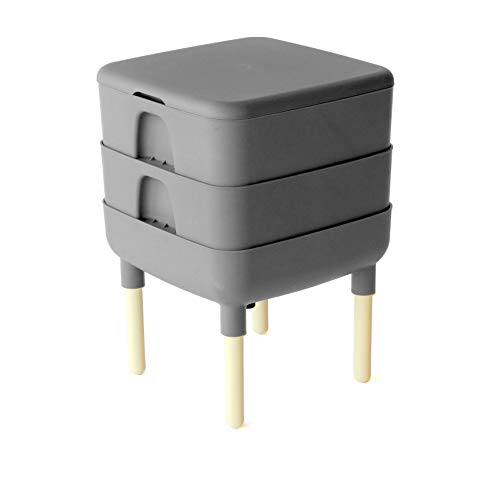
The FCMP Outdoor Essential Living Composter is a practical, two-tray vermicomposter designed for year-round indoor use and efficient odor control. Its moisture retention channel and migration tunnels support stable worm habitats and robust composting. The unit is advertised without worms included, making it a straightforward setup for readers who already have a worm supply or prefer to start with their preferred worm stock.
Buying Guide: Key Considerations For Choosing Worms And Bins
- Worm type and compatibility: Red wigglers (Eisenia fetida) are a common choice for beginner bins due to fast decomposing rates, while nightcrawlers can improve soil aeration in larger systems. Consider climate and bin depth when selecting worms.
- Bin size and scalability: Small households may start with a compact, two-tray unit or an inground system, while growing systems like multi-tray bins support higher waste input. Plan for future expansion if needed.
- Moisture management: Adequate moisture is essential for worm activity. Look for bins with moisture control features or design elements that minimize drying out and waterlogging.
- Aeration and ventilation: Proper air flow prevents odor buildup and promotes efficient digestion. Features like vented lids, air channels, and crawl tunnels help maintain worm health.
- Ease of use and maintenance: Consider assembly complexity, tray removal for harvesting castings, and ease of feeding. Systems with built-in spouts or drainage help with leachate management.
- Indoor vs. outdoor use: Indoor bins require tighter odor and moisture control, while outdoor setups can tolerate larger-scale operations. Verify compatibility with local temperatures and humidity.
- Cost and replacement needs: Compare initial costs and the availability of replacement parts or extra trays. A scalable system might save money long-term.
- Worm availability and care: Ensure worms are sourced from reputable suppliers. Some listings emphasize diversity or larger worm species for specific garden needs.
When selecting worms and a bin, balance your goals—speed of composting, depth of soil enrichment, and space constraints. A modular system may be ideal for beginners who anticipate growth, while a compact inground option can fit limited outdoor spaces. By pairing high-quality worms with a reliable, well-ventilated bin, you can achieve more efficient breakdown of kitchen scraps and produce rich, garden-ready castings.