Creating a polished garden edge with wood fencing not only defines spaces but also adds natural charm. The following picks focus on natural materials, weather resistance, and easy installation. Each product below helps you tailor borders around flower beds, paths, and yard perimeters without heavy digging or complex tools. Read on to compare features, installation methods, and suitability for different garden layouts.
Summary of selected products (quick reference):
| Product | Brand | Approx. Size | Material | Notable Feature |
|---|---|---|---|---|
| EasyFlex No-Dig Landscape Edging | EasyFlex | 15 ft kit, 4.5 in tall | Wood-look plastic | No-dig installation, curved flexibility |
| Wood Garden Edging (3 Pack) | ciAmore | 47 in L x 5.9 in H per panel | Carbonized wood | Rustic look, low maintenance |
| LINSHRY Wood Garden Fence | LINSHRY | 12 ft L, 8 in H | Pine wood | Weather resistant, metal inner core |
| Wood Garden Edging – Flat Panel Border | ciAmore | 47 in L x 9.8 in H | Solid pine | Zigzag panel, flexible shaping |
| GHWIE Wooden Garden Fence Border | GHWIE | 48 in L, 11.8 in H (per pack) | Wood | Easy stake installation |
EasyFlex No-Dig Landscape Edging With Spikes
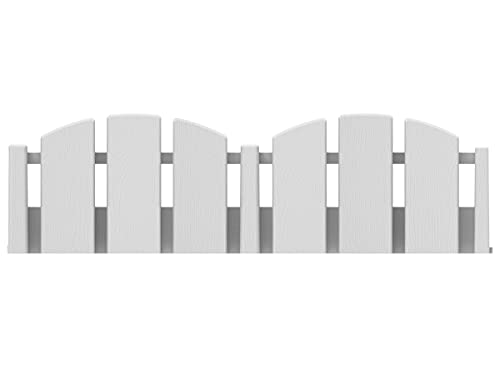
Designed for simple installation, this 15-foot kit provides a decorative, wood-look border without digging trenches. The edging is rigid enough for straight sections yet features built-in spines that bend to create curves or circle trees, then lock with anchoring spikes for a secure border. It’s ideal for lawn-to-garden transitions, raised beds, and tree rings where a natural, clean edge is desired with minimal labor.
Key considerations:
– Easy, trench-free installation suits DIYers seeking speed and low effort.
– The decorative white finish complements traditional and modern garden styles, though color should be chosen to match your landscape scheme.
– The ability to bend for curves allows flexible design around irregular beds while maintaining a cohesive look.
Wood Garden Edging 3 Pack (ciAmore)
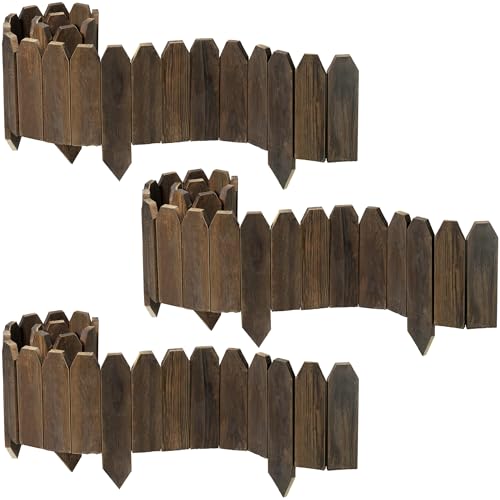
This trio of wooden borders offers a rustic charm that’s ideal for cottage or country-inspired gardens. Carbonized wood resists warping and splitting, reducing maintenance. The edging helps tidy flower beds and keeps soil in place while enhancing the landscape with a natural, wood-toned accent that blends with foliage.
Key considerations:
– Carbonized processing enhances durability, reducing maintenance needs.
– A versatile option for defining borders in bed edges and pathways.
– No painting or staining required, making it a low-maintenance choice for casual gardeners.
LINSHRY Wood Garden Fence, 8 in x 12 ft

This edging border uses pine wood with high-temperature carbonization for weather and corrosion resistance. It features two rows of metal wires connecting the boards for added strength, reducing the risk of boards pulling away from the edge. The plant-friendly design makes it suitable for flower beds, trees, and edging around borders where a sturdy, natural finish is preferred.
Key considerations:
– Weather resilience suits outdoor conditions across seasons.
– Dual-wire connection provides enhanced durability compared to nail-only borders.
– The longer 12-foot length offers extended straight runs with fewer joints.
Wood Garden Edging – Flat Panel Border

This decorative border uses a zigzag flat panel design with alternating panel heights to create texture and depth along garden borders. It’s flexible enough to shape around curves or straight lines, making it suitable for flower beds, pathways, and edges next to trees. The natural pine wood finish blends well with rustic and traditional garden styles.
Key considerations:
– Texture adds visual interest without requiring elaborate installation.
– Flexible enough to follow irregular garden contours.
– Real pine wood offers a warm, natural look suitable for various landscapes.
GHWIE Wooden Garden Fence Border (3 Pack)

GHWIE offers a straightforward wooden border with easy stake installation, making it a practical option for defining beds, edging around paths, and marking garden perimeters. The border’s clean lines and natural wood tone fit a wide range of garden aesthetics, from minimalist to rustic. The pack format supports larger border projects without needing multiple shopping trips.
Key considerations:
– Simple staking mechanism facilitates quick setup.
– Consistent wood tone enhances cohesive border lines.
– Suitable for edging around flower beds and walkways with minimal tools.
Greenes Fence Cedar Wood Garden Picket Fence (2-Pack)

This picket-style cedar fence offers classic charm with eco-friendly, sustainably sourced cedar. The 2-pack provides ample length (16 feet total) to enclose or frame garden beds, borders, or decorative fencing around entryways. Cedar’s natural resistance to rot adds durability for outdoor use, with a timeless look that complements traditional and modern garden designs alike.
Key considerations:
– Cedar is naturally durable and rot-resistant, reducing maintenance.
– Classic picket aesthetic works well with cottage or heritage garden styles.
– Two-pack option provides flexibility for medium-sized border projects.
Buying Guide: Wood Fence For Garden
When selecting a wood fence or edging for garden borders, consider composition, durability, installation effort, and aesthetic goals. The following perspectives help balance function with style:
- Material resilience: For high-moisture areas, look for pressure-treated or carbonized wood and weather-resistant plastics that mimic wood. Pine, cedar, and treated woods offer different lifespans and maintenance needs.
- Installation method: No-dig edging is fastest for DIYers; traditional borders require stakes and occasional fastening. Consider whether you prefer continuous straight lines or flexible borders around curves and tree rings.
- Aesthetic compatibility: Wood tones range from light pine to rich cedar and stained finishes. Match to your landscape palette and existing fences or structures.
- Durability vs. maintenance: Carbonized wood resists warping; cedar naturally resists rot; some borders require little to no painting or staining.
- Length and configuration: Plan border length with repeatable panels or modular sections. Longer runs can reduce joints but may require handling longer boards or panels.
- Environmental impact: Sustainably sourced cedar and pine may reflect eco-friendly choices. Recyclability and product life should factor into the overall footprint.
- Safety and maintenance: Edging should be free of splinters and sharp edges for garden safety. Consider borders that resist cracking and flaking over time.
- Functionality: If edging also acts as a barrier (for pets or mulch containment), prioritize sturdier constructions with secure anchoring systems.
Overall, choosing between a decorative, easy-install option and a durable, long-lasting border depends on your project scope, climate, and time available for maintenance. For quick, tidy edging around beds and curves, no-dig or low-profile panels are effective. For a rustic, traditional border with long lifespans, carbonized or cedar fencing provides enduring appeal. Mixing two or more styles can yield a cohesive landscape that balances practicality with aesthetic charm.