Maintaining a lush, green lawn starts with understanding your soil. A reliable soil testing kit helps you measure pH, nutrient levels, and moisture so you can tailor amendments for optimal turf growth. This guide highlights five top-rated options for American yards, comparing accuracy, testing capacity, and ease of use. Each product includes practical features designed for lawn care, gardens, and general landscape maintenance. Read on to find the right kit to keep your lawn healthy, vibrant, and resilient throughout the seasons.
Product Summary
| Product | Brand |
|---|---|
| Rapitest Soil Test Kit for Gardens, Vegetables, Flowers and Lawns | Luster Leaf |
| MySoil Soil Test Kit | My Soil |
| NewTest Soil Test Kit | NewTest |
| SONKIR Soil pH Meter MS02 | SONKIR |
| 4-in-1 Soil Moisture Meter | IRTOV |
Rapitest Soil Test Kit For Lawns And Gardens

The Rapitest kit from Luster Leaf is designed for quick, at-home results. It tests soil pH, nitrogen, phosphorus, and potassium using an easy capsule system and patented color comparators. The kit includes components for 20 tests, supporting multiple spots in a lawn or garden. Its user-friendly approach makes it a practical option for homeowners who want frequent feedback without sending samples to a lab.
Key features emphasize simplicity and value: fast results with a simple press-and-read method, color-based interpretation, and a compact setup suitable for homeowners. For lawn care, knowing NPK balance helps determine whether to fertilize, lime or adjust sulfur, and how to amend soil to support root growth and turf density. This kit is well-suited for basic lawn maintenance and garden bed planning alike.
MySoil Soil Test Kit
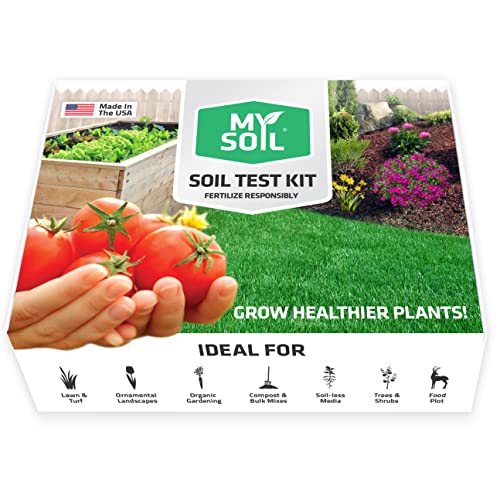
MySoil offers a complete nutrient and pH analysis with tailored recommendations. Unlike basic dye-based tests, it delivers professional-grade assessment of 13 plant-available nutrient levels including pH, with results delivered in 6–8 days after mailing samples to a lab. This option is ideal for yards where precise nutrient management matters, such as challenging clay soils or lawns that struggle with growth or color. It accommodates a wide range of growing scenarios, from turf to ornamental plantings.
Considerations include the longer turnaround time and the requirement to mail samples, which may be a factor for those who want near-instant results. On the upside, the depth of analysis helps guide long-term improvement strategies and can support more complex lawn care programs without guesswork.
NewTest Soil Test Kit: 40 Tests For Four Parameters

NewTest provides a professional-grade approach with 40 tests covering pH, nitrogen, phosphorus, and potassium. The kit emphasizes accuracy and usability, offering a robust testing solution for lawn and garden projects. It asserts that even beginners can perform accurate tests, with clear instructions and multiple test rounds possible. The 40-test capacity makes it a strong option for evaluating several lawn zones or comparing different soil patches over time.
Users should assess whether they prefer a more hands-on test methodology or a lab-backed result. This kit bridges hands-on testing with thorough coverage, supporting data-driven decisions about liming, fertilization, and soil amendments tailored to each area of a lawn.
SONKIR Soil pH Meter MS02 3-in-1

SONKIR’s MS02 combines soil moisture, pH, and light testing in a compact, battery-free device. It’s designed for quick, on-the-spot readings, making it a practical choice for homeowners who want immediate feedback while shaping lawn irrigation and fertilization. The meter’s note warns that very dry soil may not read accurately and suggests watering before testing, which helps ensure representative results for your turf.
Pros include portability, no batteries, and a simple plug-and-read approach. Limitations involve occasional calibration concerns and the need to test multiple spots to get a representative picture of a larger lawn. It’s especially useful for routine checks and quick adjustments rather than in-depth soil profiling.
4-in-1 Soil Moisture Meter With pH, Temperature And Light

This 4-in-1 meter from IRTOV provides a multi-parameter view of soil conditions, measuring pH, moisture, temperature, and light intensity. A large backlit LCD makes readings easy to read day or night, and the device is designed for quick checks in lawns and gardens. The product notes emphasize up-to-date sensor technology for faster, more accurate readings and an intuitive display that helps gardeners interpret data during seasonal care cycles.
Considerations include the need for disposable batteries and ensuring calibration aligns with your soil type. This kit is well-suited for regular monitoring of soil conditions to fine-tune watering, fertilization, and sun exposure management, particularly for larger lawns or diverse plantings where microclimates exist.
Buying Guide: Key Considerations For Lawns
- Accuracy vs. convenience: Basic color-change tests are quick but less precise; lab-backed analyses offer detailed nutrient profiling but require time and mailing. Choose based on how precise you need your lawn management to be.
- Parameters to test: At minimum, measure pH and essential nutrients (N, P, K). Some kits also monitor moisture and light, which help with irrigation scheduling and sun exposure decisions.
- Turnaround time: In-lawn decisions often benefit from faster results. If you need immediate guidance for a lawn problem, select an in-situ meter; for long-term planning, a mail-in kit or lab analysis may be better.
- Soil type and regional differences: Clay, sandy, and loamy soils respond differently to amendments. Look for kits that offer guidance tailored to common Midwest or Southern soil conditions, or provide plant-specific recommendations.
- Capacity and reuse: Consider how many tests you’ll perform per season and whether the kit supports repeated measurements across multiple lawn zones. Higher test counts help map soil variation across a large yard.
- Calibration and ease of use: Some meters require minimal calibration, others rely on color blocks or digital readings. If you’re new to soil testing, a user-friendly option reduces the chance of misreadings.
- Cost and value: Compare the price per test, not just the upfront cost. A kit with 40 tests or more can offer greater value for bigger lawns or frequent testing.
- Data interpretation: Look for kits that provide actionable guidance—such as recommended lime amounts or fertilizer rates—so you can translate results into lawn care steps.
For best results, combine soil testing with a seasonal lawn care plan. Start with a baseline test to determine pH and major nutrient levels. Use the results to tailor lime or sulfur applications, then schedule follow-up tests to track progress after amendments. Sustainable lawn care relies on consistent testing, proper sampling across representative zones, and adapting plans as soil biology responds to weather and maintenance practices.