Sesame seeds are a versatile garden crop that can flourish in warm climates and long growing seasons. For aspiring growers, selecting seeds with strong germination, reliable yields, and edible quality matters. Below are five sesame seed varieties sourced from reputable suppliers, chosen for planting, growth ease, and potential harvest. This guide highlights key traits, planting tips, and what to expect in terms of care and harvest, helping you decide which variety best fits your home garden or patio setup.
| Product | Brand | Seed Type | Key Benefit |
|---|---|---|---|
| TomorrowSeeds – White Sesame Seeds | TomorrowSeeds | White Sesame Seeds | High-yield seeds for cooking and planting; versatile climate tolerance |
| Black Sesame Seeds for Growing Black Sesame Plants – Kurogoma | Marde Ross & Company | Black Sesame Seeds | Direct sow and transplant options; attractive flower and edible seeds |
| Organic Monticello Sesame Seeds | Smoke Camp Crafts | Sesame Seeds | Edible seeds; pollinator-friendly and adaptable to warm zones |
| Sesame Seeeds – White – Shirogoma | Kitazawa Seed Company | White Sesame Seeds | High germination, open-pollinated heirloom variety |
| Sesame Seeds – Black – Kurogoma | Kitazawa Seed Company | Black Sesame Seeds | Open-pollinated heirloom with reliable germination |
TomorrowSeeds White Sesame Seeds

TomorrowSeeds White Sesame Seeds are marketed for planting as well as culinary uses. The offered seeds are described as producing high-quality results suitable for cooking and baking, with a nutritional profile rich in healthy fats, protein, and essential nutrients. The variety is noted as easy to grow in a variety of climates and soil types, which makes it a flexible choice for home gardens or patios in warm regions. Gardeners should expect standard germination timelines and harvest windows typical for white sesame varieties when provided with full sun and well-draining soil.
Black Sesame Seeds for Growing Black Sesame Plants
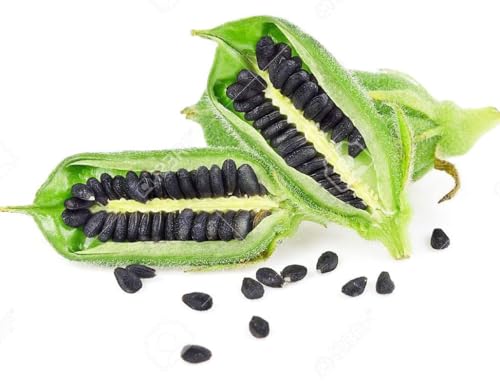
These Black Sesame Seeds, branded by Marde Ross & Company, are positioned for cultivation as a growing project. The planting guidance suggests starting indoors about six weeks before the last frost, then transplanting after frost risk passes, or direct sowing into warm, well-drained soil. They emphasize consistent moisture and periodic fertilization. Harvest involves ripe pods that split open; after drying, seeds are collected and stored in an airtight container. The packaging communicates practical steps for gardeners pursuing both ornamental and edible sesame production.
Organic Monticello Sesame Seeds

Monticello Sesame Seeds from Smoke Camp Crafts are described as edible seeds suitable for home cultivation. They highlight pollinator-friendly attributes, as sesame flowers attract bees and other pollinators, contributing to local biodiversity. Germination conditions favor warmer temperatures (80°-90°F) with full sun and well-draining soil. Plants grow to maturity in roughly 90-130 days and can produce between 1-3 tablespoons of seeds per plant. This variety is compatible with Zone 10 and above, offering a productive option for warm-climate gardeners.
Sesame Seeeds White Shirogoma

Kitazawa Seed Company’s White Shirogoma seeds are described as non-GMO, heirloom, open-pollinated white sesame seeds with a high germination rate. As an Asian variety, Shirogoma is well-suited for longtime gardeners seeking authentic seed stock. Plant in well-drained soil with ample sun, and expect robust germination. This open-pollinated, heritage variety can be a reliable option for home propagation and seed saving for future seasons.
Sesame Seeds Black Kurogoma

The Black Sesame Seeds labeled Kurogoma from Kitazawa Seed Company are presented as a black sesame variety with similar open-pollinated and heirloom characteristics. The seeds are described as suitable for grains and culinary uses, with a high germination rate. Gardeners can expect a warm-season crop that appreciates full sun and well-draining soil. Open-pollinated stock supports seed saving for future planting cycles, making it a practical long-term option for sesame growers focusing on flavor and traditional varieties.
Buying Guide
- Germination and climate: Sesame varieties prefer warm conditions with soil temperatures around 80°-90°F for steady germination. Ensure your planting window aligns with local frost dates and growing season length.
- Soil and sun: Choose well-draining soils and full sun. Sesame tolerates various soil types but performs best where moisture drains well, and roots can spread without waterlogging.
- Open-pollinated vs. hybrids: Open-pollinated and heirloom seeds (like Shirogoma and Kurogoma) allow seed saving for future years, while some hybrids may offer vigor but limit seed saving options.
- Edible yield expectations: Seed yield varies by variety and environment. Plan for several plants to achieve meaningful harvest, as a single plant’s yield can be modest under home garden conditions.
- Pollinators and biodiversity: Some sesame varieties attract pollinators, contributing to garden health beyond seed production. If supporting pollinators is a priority, consider Monticello or similar nitrogen-fixing companion species in the same bed.
- Storage considerations: After harvest, dry seeds thoroughly and store in airtight containers in a cool, dark place to maintain flavor and longevity.
- Seed saving and labeling: For open-pollinated varieties, label seeds with cultivar name and year to maintain clarity for future planting cycles.
- Uses and flavor profiles: White and black sesame seeds offer distinct culinary profiles. White seeds are commonly used for oil and toppings, while black seeds add color and bold flavor in breads and dishes.
- Growth planning: If space is limited, plan container-friendly approaches with deep pots or raised beds to accommodate sesame’s root system and sun exposure needs.
Sesame cultivation can be a rewarding project for dedicated home growers. By selecting a variety aligned with your climate, space, and culinary goals, you can enjoy an edible harvest and seed stock for future seasons.