Attics can become hidden hideouts for rats, especially in regions with harsh winters. Choosing the right traps can reduce damage, prevent disease, and restore peace of mind. This guide highlights five reliable, easy-to-use options designed for attic spaces, covering snap, enclosed, and glue-style designs. Each selection emphasizes safety, humane principles, and practical setup for indoor use with minimal maintenance.
Below is a quick reference table of the five featured products, including brand and primary advantages to help you compare at a glance.
| Product | Brand | Key Benefit | Type |
|---|---|---|---|
| Feeke Rat Trap, Large | Feeke | Safe, reusable, easy setup | Snap trap |
| Kat Sense Dual Covered Traps Set | Kat Sense | Touch-free, tunneled design, indoor/outdoor use | Snap traps |
| Tomcat Rat Snap Trap | Tomcat | High reliability, reusable | Snap trap |
| Kensizer Humane Trap | Kensizer | Live release option, small animal suitability | Live-catch |
| OWLTRA Indoor Electric Trap | OWLTRA | Instant zap, pet-safe trigger | Electronic |
Feeke Rat Trap, Large Pack

Feeke’s rat traps emphasize a no-poison, no-glue design. The user-friendly setup uses a simple bait cup and a robust clamp mechanism. A sensitive pedal and reinforced teeth contribute to fast, decisive captures, with a focus on reducing handling and minimizing contact with the rodent. The six-pack option provides coverage for attic nooks, garages, and adjacent spaces, ensuring you can place multiple traps across suspected travel routes. Reusability and straightforward resetting make it a practical long-term solution for households seeking humane rodent control.
Safety and ease-of-use are central here. The trap attempts to minimize the risk of finger injuries during setup and disposal. Its design supports both indoor and outdoor use, though in attics you’ll likely place the traps on protected shelves or near entry points. The device is compatible with bait recommendations that align with common attic rodent behavior, helping ensure quick responses to activity signals. This option serves as a solid starter trap for homeowners prioritizing a straightforward, reusable solution.
Catchmaster 6Pk Glue Traps

Catchmaster’s large glue traps offer a tactile, no-snag approach to attic control. They are ready to use out of the package and designed for year-round protection in damp or humidity-prone environments, making them suitable for attic spaces that may experience fluctuating moisture. While glue traps are a passive solution, they can be deployed along walls and corners where rodents travel. The product line includes multiple boards for bulk deployment, enabling broader coverage across attics, basements, and storage rooms. For households seeking a non-mechanical method, this configuration provides simple monitoring with disposable cleanup.
The traps feature odorless formulations and a waterproof design to withstand attic conditions. If a rodent becomes stuck, mineral oil or vegetable oil can typically help with removal from skin or fur surfaces, minimizing contact during disposal. Glue traps can function effectively in enclosed areas, provided there is an unobstructed path to the target area. They are best used as a complement to other strategies or as a quick-response option when immediate action is needed.
Tratper Covered Rat Trap, 2-Pack

Tratper’s trapped design features a covered tunnel, guarding against accidental triggers by pets or children. The dual-entry system makes bait placement straightforward, and the hands-free operation reduces handling risks during setup. A responsive lock chamber, sensitive trigger pad, and a sturdy jaw contribute to a quick, humane capture, aligning with attic scenarios where activity can be unpredictable. This option is well-suited for households that want to reduce exposure to exposed mechanisms while still maintaining effective rodent control.
With its enclosed design, the trap minimizes sightlines of the capture process, which can be preferable for households with curious pets or children. The mechanism emphasizes a quick kill in a controlled environment and is intended for reuse after proper cleaning. The product is designed for both indoor and outdoor use, allowing placement in attics, garages, basements, or exterior walls where rodents may enter.
Kat Sense Dual Covered Traps Set
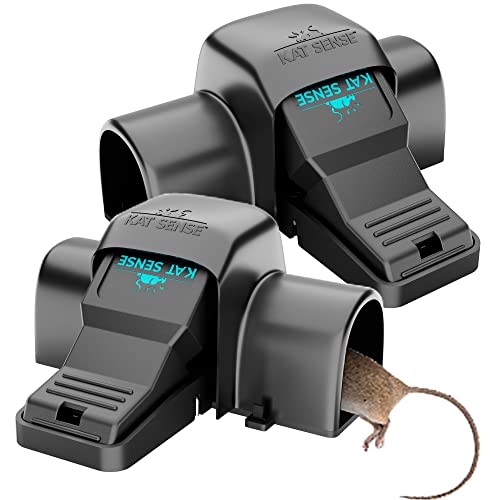
Kat Sense offers a two-pack of covered traps designed to reduce accidental triggering while maintaining a quick, humane response. The tunneled design protects curious hands and paws, making this option attractive for attic spaces shared with pets or children. The traps are described as effective for rats, mice, and even chipmunks, widening their applicability for mixed pest challenges in and around the home. The internal mechanisms are built to deliver fast results while keeping the exterior shielded for safer handling.
Both indoor and outdoor utility is emphasized, allowing placement in attics, basements, gardens, and tool storage nooks. The traps are designed to be durable, with materials that resist wear from repeated use and exposure to varying temperatures. The dual-covered approach helps minimize misfires and ensures a consistent response to baited entries, supporting steady pest management over time.
Tomcat Rat Snap Trap
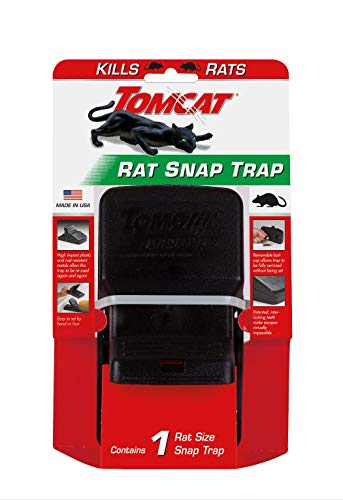
Tomcat’s rat snap trap emphasizes reuse and straightforward setup. It is built with interlocking teeth to reduce escape probability, and uses high-impact plastic with rust-resistant metal for long-term durability. This design is a common choice for attic spaces due to its compact footprint and reliable performance. Homeowners appreciate a tool that can withstand repeated cycles with minimal maintenance while providing a clear signal of capture. The device can be set by hand or foot, offering flexible options for those who prefer different handling methods.
Reusable and practical for garages, attics, or storage rooms, the Tomcat trap is often chosen for its simplicity, durability, and proven track record in pest control. When aligned with other methods such as sealing entry points and removing attractants, this trap can form part of a comprehensive attic pest management plan.
Kensizer Humane Trap
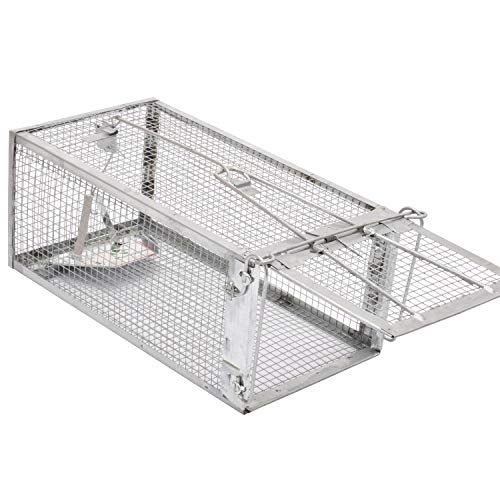
Kensizer’s live-catch trap emphasizes humane handling, allowing release away from the home. This option is particularly suitable for households that prefer a catch-and-release approach or want to minimize harm to non-target wildlife. The cage is described as lightweight and galvanized for durability, with a trigger mechanism designed to be sensitive yet reliable. It can be used indoors or outdoors, making it adaptable for attic perimeters or adjacent exterior spaces where rats may travel.
Size considerations are important: Kensizer offers a compact footprint suitable for smaller attic nooks but may require larger alternatives for bigger rats. The live-release system helps mitigate concerns about disposal, and the model’s construction aims to resist gnawing and offer a long service life. It’s a practical choice for pet-friendly homes or urban environments where poisoning or lethal methods are avoided.
Buying Guide: Key Purchase Considerations
- Trap type and target species: Snap traps work well for quick kills, glue traps are easy but may be less humane and harder to release, and live-catch options suit release preferences. Matching the trap type to your attic’s layout is essential.
- Safety and pet availability: Enclosed designs and tunneled traps reduce risk to children and pets. Consider homes with curious pets or kids when selecting models.
- Indoor suitability: Attics present moisture, dust, and temperature changes. Choose traps rated for indoor use and, if possible, durability against humidity.
- Reuse and maintenance: Reusable traps save money but may require more cleaning and resetting. Disposable options offer convenience but come with ongoing replacement needs.
- Placement strategy: Place traps along known rodent runways, near entry points, or along walls. Keep bait inaccessible to non-target animals and ensure safe disposal methods in line with local guidelines.
- Humane considerations: If humane capture is a priority, prefer live traps or enclosed snap designs with prompt disposal. Assess local regulations and wildlife guidelines for your area.
- Combined approach: For best results, use a mix of traps (snap, enclosed, and capture-release) along with sealing entry points, removing food sources, and maintaining cleanliness to deter reinfestation.
When selecting traps for an attic, evaluate the space for access, ventilation, and potential exposure to dust or insulation. Regular monitoring, proper bait placement, and timely disposal will contribute to effective long-term rodent management without reliance on poisons. A balanced strategy that prioritizes safety, humane treatment, and practical maintenance tends to yield the most consistent results in attic environments.