Growing vegetables in containers requires a reliable potting mix that drains well, holds moisture, and provides steady nutrients. This guide highlights five top potting soils designed for container gardens, focusing on organic options, moisture retention, and long-lasting feeding. Each product is evaluated on suitability for vegetables, container performance, and ease of use to help American gardeners choose confidently.
Summary of chosen products:
| Product | Brand | Size | Key Benefit |
|---|---|---|---|
| Miracle-Gro Organic Outdoor Potting Mix | Miracle-Gro | 16 qt | Quick-release fertilizer; OMRI listed |
| Miracle-Gro Potting Mix For Container Plants (2-Pack) | Miracle-Gro | 2 x 8 qt | Up to 6 months feeding; two bags |
| Miracle-Gro Potting Mix (16 qt, 2-Pack) | Miracle-Gro | 2 x 16 qt | Up to 6 months feeding |
| Burpee Premium Potting Mix | Burpee | 9 qt | Organic; coconut coir; moisture retention |
| Back to the Roots 12 Quart Organic Potting Mix | Back to the Roots | 12 qt | 100% organic; peat-free; USA-made |
Miracle-Gro Organic Outdoor Potting Mix (16 qt)

Miracle-Gro Organic Outdoor Potting Mix contains a quick-release natural fertilizer and feeds plants for up to two months. It uses peat sourced from certified producers and is OMRI listed for organic use, suitable for outdoor container plants including vegetables, herbs, and flowers. This mix is designed to support root growth and provide steady early nutrition for container gardens, making it a practical option for vegetable containers with a range of plant sizes.
Miracle-Gro Potting Mix For Container Plants (2-Pack)

This two-bag bundle provides a total of 16 quarts, feeding container plants for up to six months. It’s designed to support more blooms and stronger growth compared to unfed plants, aligning well with vegetable containers that require reliable nutrition over a growing season. Each 8-quart bag can fill several standard containers depending on root ball size, offering flexibility for different vegetable setups.
Miracle-Gro Potting Mix (16 qt, 2-Pack)
This 2-pack includes two 16-quart bags of Miracle-Gro Potting Mix, designed to fill multiple containers. It promises up to six months of feeding, with straightforward use: fill a container about one-third with mix, plant, then top off. It’s a practical, scalable option for vegetable containers that require consistent nutrition through several weeks of growth.
Burpee Premium Potting Mix

Burpee Organic Premium Potting Mix blends plant food with coconut coir to promote seed and root growth for vegetables, flowers, and herbs. OMRI Listed for organic use, it’s designed for containers and raised beds. The mix offers instant feeding at planting and slow-release nourishment for up to three months, while the coconut coir helps retain moisture, which is critical for container-grown vegetables in warm climates.
Back to the Roots 12 Quart Organic Potting Mix
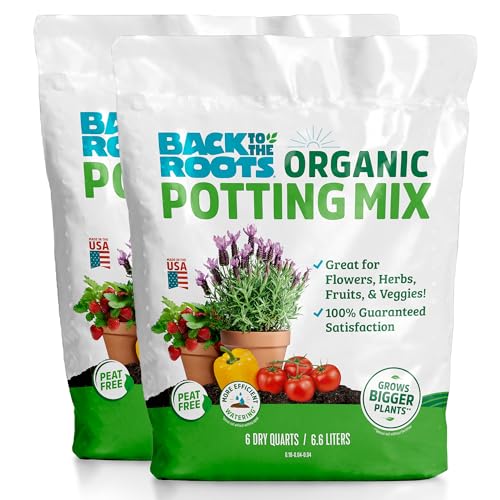
Back to the Roots Organic Potting Mix is peat-free and made from upcycled plant matter and wood fines, supporting a lighter carbon footprint. The blend includes yucca extract for moisture control and dolomitic limestone for pH balance, making it adaptable for a variety of vegetable crops in containers. It’s a versatile option for gardeners seeking a US-made, peat-free soil solution for container systems.
Buying Guide: Key Purchase Considerations
- Nutrient profile and duration: Look for pots that mineralize nutrients over several weeks or months. If you grow fast-rooting vegetables, longer-lasting feeds reduce the need for frequent top-ups.
- Moisture management: Coconut coir, yucca extract, and peat-free blends often improve water retention and drainage; choose based on your climate and container size.
- Organic and label claims: OMRI-listed products meet organic standards in the U.S.; organic blends are preferred if you’re growing edible crops and want minimal synthetic inputs.
- Container compatibility: Ensure the mix works well in your container type (terracotta, plastic, raised beds) and for the vegetables you plan to grow (leafy greens, tomatoes, peppers, herbs).
- Soil composition: Peat-based mixes provide softness and nutrient content but may have environmental considerations. Peat-free blends use compost, coconut coir, or wood fines and can be more sustainable.
- Moisture retention vs. drainage: If you live in hot, dry areas, choose blends with moisture retention enhancers; in humid regions, prioritize good drainage to prevent root rot.
- Ease of use and compatibility with fertilizers: Some mixes include starter fertilizers; consider whether you want a blend with fertilizer or a neutral base for your own feeding plan.
In summary, for vegetable containers, prioritize organic, nutrient-dense options with reliable moisture management and long-lasting feeding. The highlighted products provide a range of moisture retention strategies, organic certifications, and feeding timelines to suit different indoor or outdoor container setups across the United States.