Zone 9 offers mild, frost-free winters and long, warm summers, making year-round gardening feasible for a wide range of plants. This guide highlights five garden-ready options from trusted brands to help Zone 9 gardeners choose resilient, attractive specimens. Each item includes key features, growth notes, and climate compatibility to assist in planning a thriving landscape.
Summary Table Of Selected Products
- LUSH&DEW Year-Round Seed Bank (Zone 3-9) – Heirloom seeds for vegetables, herbs, and greens
- Endless Summer Hydrangea Summer Crush (Zones 4-9) – Large blooms, adaptable to sun to partial shade
- Southern Living Sunshine Ligustrum (Zones 7-10) – Dense evergreen screen or hedge plant
- Bonnie Plants Strawberry (Zones 5-9) – Easy-to-grow strawberries for containers or garden beds
- HOME GROWN Verbena Moss Seeds (Zones 7-11) – Heat-tolerant ground cover that attracts pollinators
Best Seed Bank For Zone 9 And Beyond
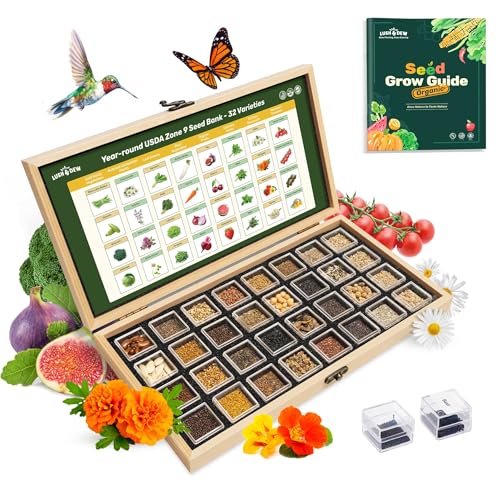
The LUSH&DEW Year-Round Seed Bank is a versatile collection designed for USDA zones 3 through 9. This Non-GMO kit includes 32 varieties of heirloom seeds—vegetables, herbs, perennials, and root crops—plus cold-hardy varieties suitable for zone 9’s mild winters and long summers. Seeds are advertised with high germination rates within 7-14 days and viability of 1-3 years in proper storage, making it a practical option for a zone 9 starter garden or a greenhouse project.
Key considerations for Zone 9 gardeners: ensure adequate soil warmth for warm-season crops, plan for heat protection during peak summer afternoons, and apply succession sowing to maximize year-round harvests. The kit’s diversity supports experimentation with companion planting and soil improvement strategies that suit zone 9 climates.
Nandina Shrub For Structure And Foliage

The 2 Gal. Obsession Nandina Shrub performs well in zones 6-10 and offers year-round ornamental value with striking leaf color. It prefers sun to part shade and can serve as a versatile focal point or filler in Zone 9 landscapes. While suitable for Zone 9, verify winter protection for extreme cold snaps in northern fringes of Zone 9 and plan for seasonal pruning to manage growth and shape.
Endless Summer Hydrangea Summer Crush

The Endless Summer Hydrangea Summer Crush is rated for zones 4-9, including Zone 9, with a mature size around 36 inches wide by 36 inches tall. It thrives in full sun to partial shade, offering large showy blooms that can extend into late summer. Zone 9 gardeners should monitor drought stress in peak heat and ensure consistent moisture. Hybrid cultivars can deliver reliable flowering without excessive maintenance when properly watered.
Sunshine Ligustrum For Privacy And Color

The Southern Living Sunshine Ligustrum is a robust option for Zone 9 gardens needing structure, screening, or a leafy backdrop. Suited for zones 7-10, it grows to a mature width of 48-72 inches and height of 60-84 inches. It prefers full sun to light shade and can act as a fast-growing hedge. Consider site planning for root spread and potential pruning to maintain a tidy silhouette in smaller yards.
Verbena Moss Seeds For Ground Cover

HOME GROWN Verbena Moss Seeds offer a heat-tolerant ground cover option suitable for zones 7-11 and perennial in warm climates. The seeds create a dense mat ideal for erosion control, ground cover along walkways, and pollinator-friendly borders, attracting butterflies and hummingbirds. In cooler regions, Verbena can be grown as an annual, providing flexibility for Zone 9 gardeners experimenting with color and habitat creation.
Buying Guide: Key Considerations For Zone 9 Purchases
- Climate compatibility: Zone 9 features mild winters and hot summers; select plants with heat tolerance, drought resistance, and a good tolerance for humidity if applicable.
- Soil and moisture: assess soil drainage and water retention. Many Zone 9 plants benefit from amended soil with organic matter and mulching to reduce soil temperature fluctuations.
- Sun exposure: full sun versus partial shade will influence bloom potential and growth rate. Plan for shade-tolerant options in hottest afternoon zones or microclimates.
- Maintenance level: consider pruning needs, disease resistance, and watering frequency. Low-maintenance selections often perform best in busy urban settings.
- Pollinators and wildlife: select species that attract pollinators to foster a resilient garden ecosystem, especially for herb and flower varieties.
- Seasonal planning: succession planting and staggered bloom times help maintain visual interest and continuous harvest opportunities in Zone 9.
Additional Perspectives For Zone 9 Gardeners
Zone 9 gardeners can blend ornamental shrubs with edible perennials to create a functional landscape. For instance, pairing hydrangeas with evergreen screening plants can provide year-round structure, while ground covers add low-maintenance beauty and prevent soil erosion on slopes. Seed banks offer a flexible option for starting a vegetable garden or greenhouse project, particularly when you want a diverse crop mix that can adapt to seasonal shifts. Always verify hardiness in your exact microclimate, especially near coastal or high-salt environments where conditions diverge from standard zone maps.
By selecting a mix of flowering perennials, edible crops, and hardy shrubs, Zone 9 gardens can achieve color, resilience, and harvest versatility. The five products highlighted here offer a spectrum of options—from seed banks to shrubs and climbers—helping gardeners cultivate thriving landscapes across warm winters and long summers.