Maintaining the correct pH in your hot tub is essential for bather comfort, sanitizer effectiveness, and equipment longevity. A reliable pH increaser helps raise acidic water to safer, more balanced levels, reducing irritation and corrosion. This guide reviews five top pH increasers suitable for spas and hot tubs, highlighting how they work, key benefits, and what to consider when choosing the right product for your setup.
| Product | Brand | Format | Key Benefit |
|---|---|---|---|
| SpaGuard pH Increaser, 1.12 lb | SpaGuard | Powder | Protects equipment from corrosion; balances water for bather comfort |
| HTH Spa 86133 pH Up | HTH | Granules | Raises pH; improves sanitizer efficiency; prevents corrosion |
| SpaGuard pH Increaser, 18 oz (Pack of 3) | SpaGuard | Granular | Quick-dissolving formula; balances water; protects against corrosion |
| CLOROX Pool&Spa Spa pH Up | Clorox Pool & Spa | Powder | Raises pH; improves swimmer comfort; protects equipment |
| SpaChoice 1-Pound Premium pH Increaser | SpaChoice | Powder | Rises pH for spa water; USA-made |
SpaGuard pH Increaser, 1.12 lb

SpaGuard pH Increaser is designed to raise pH levels in spa water, helping to protect equipment from corrosion caused by acidic conditions. Its formulation aims to balance water for bather comfort, supporting a more pleasant soak while safeguarding filtration components and metal surfaces from damage associated with low pH.
Key considerations: compatibility with spa sanitizers, rate of pH change, and ensuring accurate dosing based on water volume. Regular testing remains essential to maintain the recommended pH range.
HTH Spa 86133 pH Up

HTH Spa 86133 pH Up is formulated to increase pH levels in spa or hot tub water, supporting clearer water and more effective sanitization. The product highlights include improved sanitizer performance and a reduction in corrosion risk for spa surfaces and equipment, aided by mineral crystals that contribute to a balanced chemistry.
What matters: accurate dosing, proper dilution, and periodic testing to keep pH within the ideal 7.2–7.8 range. Over-adjustment can reduce sanitizer efficiency, so adjustments should be gradual and measured.
SpaGuard pH Increaser, 18 oz (Pack of 3)

This 18-ounce pack of SpaGuard pH Increaser provides a quick-dissolving granular formula to raise dangerously low pH levels. The product is designed to prevent corrosion of spa plumbing, fixtures, and surfaces, while helping maintain bather comfort and consistent water balance. SpaGuard products aim to simplify maintaining balanced spa chemistry over time.
Usage notes: follow dosing instructions based on spa size and current pH, then recheck after a short interval. This pack is convenient for households with multiple spa sessions or seasonal use.
CLOROX Pool&Spa Spa pH Up

Clorox Pool&Spa Spa pH Up is formulated to elevate pH levels in spa water, restoring balance for comfort and clarity. The product emphasizes swimmer comfort by helping to prevent irritation associated with low pH, while also contributing to healthier equipment operation by reducing corrosion risk when the water is balanced.
Considerations include ensuring the product is compatible with existing sanitizers and following recommended dosing guidance to avoid over-correcting pH, which can impact sanitizer performance and water chemistry stability.
SpaChoice 1-Pound Premium pH Increaser
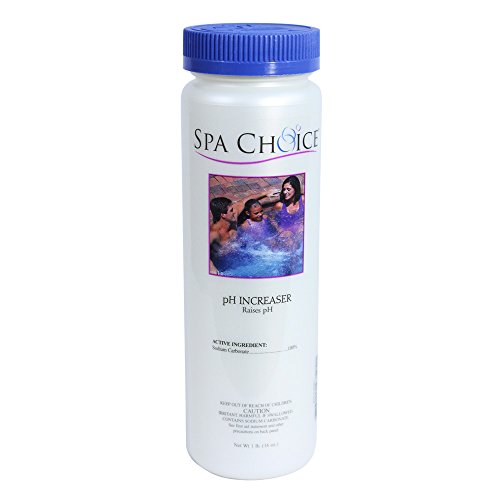
SpaChoice Premium pH Increaser provides a straightforward, US-made option for raising spa pH. The product is intended for use when pH falls below 7.2, with dosing guidance that aims to bring pH to the 7.2–7.8 range and maintain total alkalinity in the 80–140 ppm range. It’s designed to be easy to measure and apply, supporting regular water balance checks.
Practical notes include gradual dosing and retesting to avoid overshoot. Compatibility with other spa chemicals and routine water testing is essential for maintaining a stable hot tub environment over time.
Buying Guide: Key Purchase Considerations For pH Increasers
When choosing a pH increaser for your hot tub, consider the following factors to ensure effective, safe, and economical use:
- Formulation and dosing: Granular vs. powdered formats have different dissolution rates. Granules often dissolve faster in warm water, while powders may require pre-dissolving for even distribution.
- Water volume and current pH: Always calculate dose based on tub size and the current pH. Start with a smaller increment and retest to avoid overshooting.
- Impact on alkalinity: Raising pH can affect total alkalinity. Monitor both parameters and adjust alkalinity if needed to maintain the recommended range (commonly 7.2–7.8 pH and 80–140 ppm alkalinity).
- Sanitizer compatibility: Some pH adjustments can influence sanitizer effectiveness. After dosing, allow the water to circulate, then retest and re-balance as necessary.
- Equipment protection: Lower pH can increase corrosion risk for metal components and affect heater and pump longevity. Choose products that emphasize corrosion protection when possible.
- Ease of use and availability: Pack sizes and dosing instructions vary. For frequent users, multi-pack options may offer better value and convenience.
- Safety and handling: Follow label directions for storage and handling. Avoid inhaling dust and ensure children and pets are kept away during application.
- Compatibility with spa maintenance routine: Plan pH adjustments around other treatments (shock, sanitizers, algaecides) to maintain stable chemistry.
For best results, maintain a regular testing schedule, use test strips or a reliable test kit, and keep a log of pH and alkalinity readings to identify trends. If persistent pH fluctuations occur, consider checking for imbalanced alkalinity, heavy bather load, or mineral content in the water that could impact pH stability.