The right pest control approach for indoor plants blends prevention, monitoring, and safe treatment. This article highlights effective options for protecting houseplants from common insects and fungal threats, while staying house- and family-friendly. Read on to compare products, how they work, and how to choose the best fit for your plants and space.
| Product | |||
|---|---|---|---|
| Bonide Systemic Houseplant Insect Control | Systemic Granules | Prevents biting and sucking insects through root absorption | Granules (ready-to-use) |
| Bonide Insecticidal Soap | Contact Spray | Kills on contact; broad spectrum for indoor/outdoor use | Liquid spray |
| YourDaDa Sticky Traps | Sticky Traps | Monitoring and reducing fungus gnats, fruit flies, whiteflies | Traps |
| BioAdvanced Houseplant Insect & Mite Control | Ready-to-Use Spray | Kills listed insects and mites on contact; disease protection | Liquid spray |
| Mighty Mint Peppermint Oil Spray | Plant-Based Repellent | Natural repellent for multiple indoor pests | Spray |
Choosing the right method comes down to your plant types, space, and tolerance for odor or potential residues. The following sections review five products that address common indoor plant pests, offering a spectrum from systemic protection to natural repellents and physical traps.
Bonide Systemic Houseplant Insect Control

Bonide Systemic Houseplant Insect Control uses systemic granules that are absorbed by plant roots and circulated through the plant to defend against listed chewing and sucking insects. This ready-to-use formulation lasts up to eight weeks after application, providing ongoing protection for containerized plants. It is particularly helpful for preventing pest damage on plants that are frequently attacked by mealybugs, aphids, scale, and related pests. Because the product is systemic, it moves with the plant’s sap, creating internal protection that is less vulnerable to short-lived surface washes. It does not affect insects that do not feed on plants, aligning with a targeted approach to pest management.
Key considerations:
- Best for preventative use on container-grown houseplants and ornamentals.
- Longer protection window (up to 8 weeks) reduces reapplication frequency.
- Root-absorbed action minimizes direct leaf spraying on sensitive varieties.
Bonide Insecticidal Soap
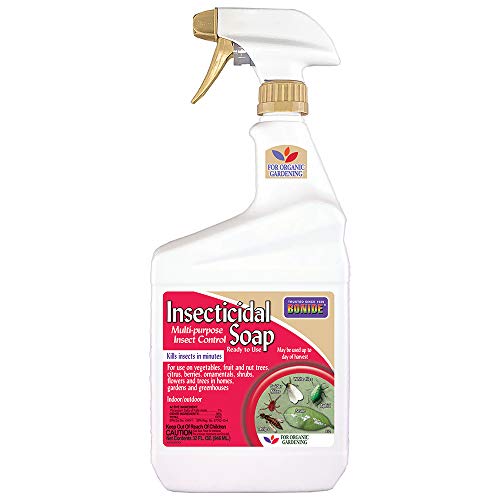
Bonide Insecticidal Soap delivers broad coverage for a variety of pests through direct contact and ingestion. It is designed for outdoor residential use as well as indoor gardening, making it a versatile choice for greenhouses, balconies, and interior spaces. The formula is effective against adelgids, aphids, scale insects, caterpillars, mites, and more, with particular utility for delicate foliage that may be sensitive to harsher chemical sprays. For best results, apply thoroughly to both surfaces and undersides of leaves, ensuring contact with pests and the leaf surface where they feed.
Key considerations:
- Works via contact and ingestion; best applied when pests are active on plant surfaces.
- Suitable for organic gardening approaches.
- Should be used with care on sensitive or trailing plants to avoid foliar burn in extreme heat.
YourDaDa Yellow Sticky Traps

These yellow sticky traps offer a non-toxic, odorless method to catch fungus gnats, fruit flies, whiteflies, and other flying pests around houseplants and kitchen areas. The set includes multiple shapes, making it easy to position around potted plants, pots, and soil surfaces. The traps rely on a top-grade, ultra-sticky adhesive to achieve high capture rates when pests contact the surface. They provide a simple monitoring and suppression option—especially useful for monitoring infestation levels and timing other controls.
Key considerations:
- Non-toxic and pet-safe when used as directed.
- Great for ongoing monitoring and early intervention.
- Best used alongside cultural controls like proper watering and soil hygiene.
BioAdvanced Houseplant Insect & Mite Control
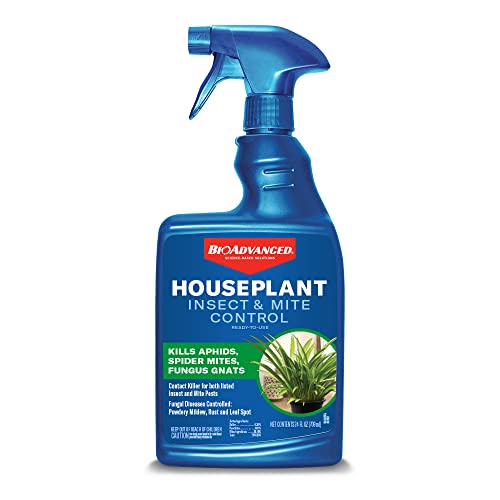
BioAdvanced Houseplant Insect & Mite Control provides a ready-to-use spray that kills listed insects on contact while offering disease protection for a broad range of houseplants. The product targets mites, aphids, whiteflies, and other common pests and is designed to be applied when pests are visible, especially on new growth and underside of leaves. It emphasizes fast action through direct contact and residue, reducing pest populations quickly and helping prevent damage to foliage and stems.
Key considerations:
- Effective against a wide spectrum of pests and some fungal diseases.
- Follow label directions for indoor use, including spray timing and coverage.
- Best for active infestations and preventive sessions during growing seasons.
Mighty Mint Peppermint Oil Spray
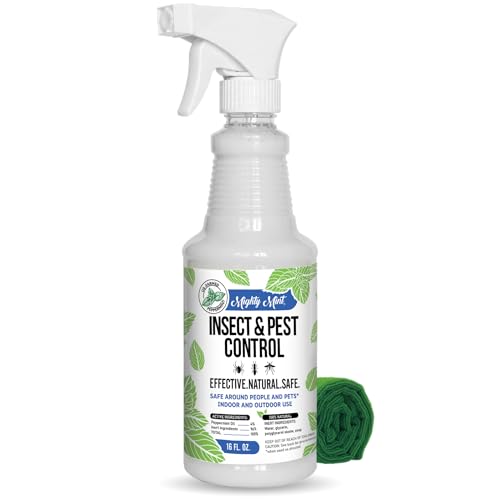
Mighty Mint Peppermint Oil Spray is a plant-based repellent designed for indoor and outdoor use. The formula combines extra-concentrated peppermint oil to deter multiple pests, including spiders, ants, and roaches, without harsh chemicals or fumes. It is described as pet-friendly when used as directed and suitable for application on baseboards, entryways, patios, and other high-traffic areas. While it acts as a deterrent, it may require more frequent applications to sustain repellent effects in high-traffic spaces.
Key considerations:
- Natural, plant-based control with minimal residue.
- Safe for use around children and pets when used as directed.
- Best as a preventative spray or supplementary measure alongside other controls.
Buying Guide: Key Purchase Considerations For Indoor Plant Pest Control
Choosing the right pest control approach for indoor plants depends on pest type, plant sensitivity, and environmental considerations. The following factors help compare options and tailor choices to your setting.
-
<li Pest type and lifecycle: Systemic options protect against pests that feed on sap, while contact sprays target active surface-feeders. Sticky traps help monitor flying pests, and plant-based sprays offer deterrence with lower chemical exposure.
<li Plant sensitivity: Delicate foliage may react to certain sprays. For sensitive plants, test on a small area and apply less frequently, or rely on non-chemical methods when possible.
<li Indoor air quality and odor: Some products have noticeable scents or odors; peppermint oil sprays provide fragrance as a factor to consider in living spaces.
<li Application method: Granules require soil uptake and longer protection; sprays cover surfaces and undersides; traps are passive and continuous; repellents offer ongoing deterrence with regular reapplication.
<li Safety and compatibility: Choose products labeled for indoor use and compatible with edible or ornamental plants if you keep herbs or edible houseplants indoors.
<li Environmental impact: Non-toxic traps and plant-based repellents reduce chemical exposure for pets and people while maintaining pest pressure control through physical or deterrent means.
When integrating multiple controls, coordinate timing to maximize effectiveness. For example, monitor with sticky traps to gauge pest presence, then apply a targeted spray to the affected plants, and follow up with a systemic guard if persistent sap-feeders are detected. Always read and follow label directions, including safety precautions and storage guidelines, to ensure safe and effective use.