Indoor gardening thrives with the right soil mix. This guide reviews five organic potting soils designed to improve moisture retention, root health, and overall plant vigor in homes. Each pick emphasizes organic ingredients, peat-free formulas where stated, and suitability for containers, herbs, and starter plants. Read on to compare core features, benefits, and practical usage tips to help you choose a soil that matches your plants and ethics.
Summary of Selected Products
| Product | Brand | Size | |
|---|---|---|---|
| 100% Organic Indoor Potting Mix | Back to the Roots | 6 Quart | Moisture retention with yucca extract; root-boosting mycorrhizae |
| 100% Organic Potting Mix | Back to the Roots | 12 Quart | All-purpose, moisture control, peat-free |
| 9 Quarts Organic Potting Mix | Burpee | 9 Quarts | Contains plant food and coconut coir; retains moisture |
| Organic Indoor Potting Mix | Miracle-Gro | 16 qt | Protects against over/under watering; quick-start fertilizer |
| 8qt Organic Potting Soil Mix | Espoma | 8 qt | Mycorrhizae blend; peat-free, rich organic mix |
Back to the Roots 6 Quart Organic Potting Mix

The Back to the Roots 100% Organic Indoor Potting Mix (6 Quart) is designed to support healthy houseplant growth with moisture-retaining yucca extract and root-boosting mycorrhizae. The formula is organic and peat-free, aiming to reduce environmental impact while providing a reliable base for container gardening. Ideal for a range of indoor plants, it emphasizes steady moisture and robust root development without synthetic additives.
Back to the Roots 12 Quart Organic Potting Mix

This value-pack from Back to the Roots provides a 12-quart bag of 100% organic potting mix. It is peat-free and crafted for indoor use, offering moisture control and balanced nutrient uptake through organic inputs. The blend is suitable for herbs, vegetables, flowers, and houseplants, making it a versatile option for multi-plant setups in containers or raised beds.
Burpee 9 Quarts Organic Potting Mix

The Burpee Organic Premium Potting Mix comes in a 9-quart bag and blends plant food with coconut coir. It is OMRI-listed for organic use, making it suitable for containers and raised beds. The mix is formulated to retain moisture and provide a steady nutrient release for seedling growth, flowers, vegetables, and herbs, supporting healthy root systems and vibrant foliage.
Miracle-Gro Organic Indoor Potting Mix

Miracle-Gro Organic Indoor Potting Mix protects indoor plants against overwatering and underwatering. The blend uses sphagnum peat moss sourced from certified producers, coir, and a quick-start natural fertilizer. Suitable for houseplants, herbs, and seed starting, it aims to provide consistent moisture and nutrient availability for a wide range of container plants.
Back to the Roots 12 Quart Premium Potting Mix
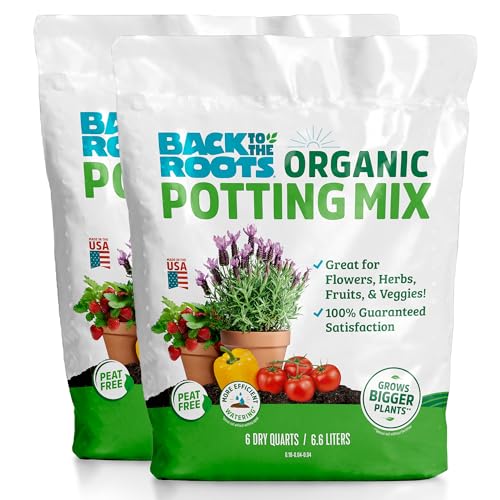
This 12-quart premium option from Back to the Roots emphasizes peat-free composition with upcycled plant matter and wood fines. It includes moisture control features and pH balancing with dolomitic limestone, designed for a broad range of indoor plants, herbs, and edible containers. The product highlights USA-made production and an emphasis on a lighter carbon footprint compared to traditional peat soils.
Espoma Organic Potting Soil Mix 8qt
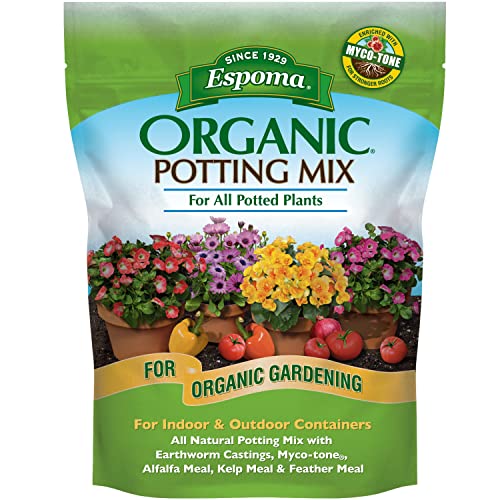
Espoma Organic Potting Soil Mix blends sphagnum peat moss, humus, perlite, earthworm castings, alfalfa meal, kelp meal, and feather meal, providing a rich organic base for indoor and outdoor containers. The Myco-Tone addition introduces endo and ecto mycorrhizae to support root growth and nutrient uptake. This 8-quart mix is versatile for herbs, vegetables, and flowering plants, especially in pots and planters.
Buying Guide: Key Considerations When Choosing Organic Potting Soil for Indoor Plants
Purpose and plant type: For beginners, a versatile all-purpose soil that supports a wide range of houseplants, herbs, and small starter veggies is ideal. For specialty plants with particular moisture needs, select a mix with targeted moisture retention or drainage characteristics.
Organic ingredients and certifications: Look for peat-free formulations if you want lower environmental impact. OMRI-listed products ensure that the mix meets organic standards for garden use, which is especially important for edible plants and consumers seeking certified organic options.
Moisture retention vs. drainage: Several blends combine moisture-retaining components (like coco coir or yucca extract) with drainage aids (perlite, dolomitic limestone). Consider your environment: dry homes benefit from moisture retention, while arid spaces require better drainage to prevent root rot.
Mycorrhizal associations: Some mixes include mycorrhizae to boost root growth and nutrient uptake. This can support faster establishment and healthier root systems, particularly for new plantings and container gardening.
Salt content and added fertilizers: Many indoor mixes include quick-start fertilizers. If you are sensitive to fertilizer burn or prefer to fertilize separately, choose a product described as having no added fertilizer, or plan to adjust feeding after potting.
Container size and plant load: Larger pots require more soil and may necessitate a mix with high moisture capacity. For small starter plants, lighter blends can reduce heavy soil settling and improve root oxygenation.
Environmental footprint: peat-free mixes and those made from upcycled or locally sourced materials generally have lower environmental impact. If sustainability is a priority, compare peat content and production practices across options.
Cost and quantity: Bulk options (12 qt or larger) can be more economical per quart, especially for multiple plants. Consider your planting plan and storage space when selecting size.
Usage tips: Always water thoroughly after potting to settle the soil around the roots, monitor moisture levels, and adjust watering frequency based on plant type and home humidity. Mixes with high organic content can support healthy growth but may require consistent moisture to prevent compaction.