Protecting plants from pests, birds, and harsh weather is essential for a thriving garden. This guide highlights five effective netting options that keep fruits, vegetables, and shrubs safe while still allowing sunlight, air, and water to reach your plants. Each product features durable materials and practical designs to fit a variety of garden sizes and needs.
Summary of Selected Products
| Product | Brand | Key Benefit | Approx. Coverage |
|---|---|---|---|
| Bird Netting for Garden Protection – 4 Pack Garden Netting Pest Barrier | LCHUANG | Zippered protection for blueberries, tomatoes, and more | 4 packs; drawstring adjustable |
| Garden Netting Pest Barrier: 4’x10′ Fine Bug Netting | Garden Tailor | Wide barrier against cicadas, aphids, and other pests | 4′ x 10′ panel |
| Feitore Deer Fence Netting, 7 x 100 Feet | Feitore | Long, heavy-duty deer and animal protection | 7′ x 100′ |
| Ruolan Bird Netting for Garden Protect | Ruolan | Large 13′ x 20′ coverage, reusable | 13′ x 20′ |
| Jevrench Durable Ultra Fine Garden Netting, 4’x25′ | Jevrench | Ultra-fine mesh for broad plant protection | 4′ x 25′ |
Bird Netting for Garden Protection – LCHUANG (4 Pack)

LCHUANG’s garden netting offers a versatile protective layer for orchards, greenhouses, and patios. The drawstring design simplifies setup, allowing you to cover fruit trees, blueberries, tomatoes, and potted plants to deter birds and other pests. Made from lightweight PE material, it provides durable protection without weighing down plants, and its transparent nature helps maintain visibility for photosynthesis and growth. Ideal for seasonal use and adjustable to varying plant sizes.
Garden Netting Pest Barrier: 4’x10’ Fine Bug Netting
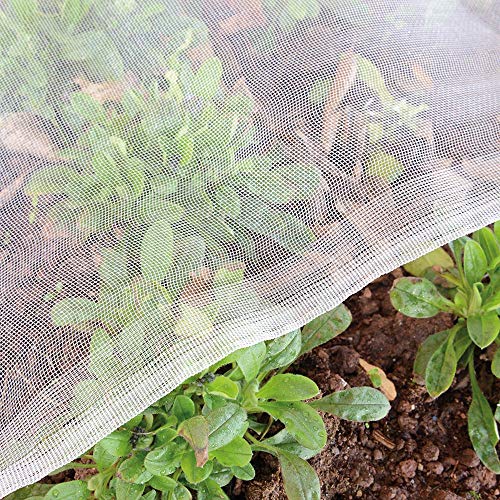
This 4’x10′ netting from Garden Tailor provides an all-purpose barrier against a wide range of garden pests. The HDPE material is UV-resistant and designed to withstand outdoor conditions while remaining safe for plants. A tight weave helps prevent cicadas, aphids, and other insects from reaching crops, and its versatility makes it suitable for raised beds, ponds, windows, or greenhouses. The netting is lightweight and easy to install, with no harsh impacts on plant growth.
Feitore Deer Fence Netting, 7×100 Feet
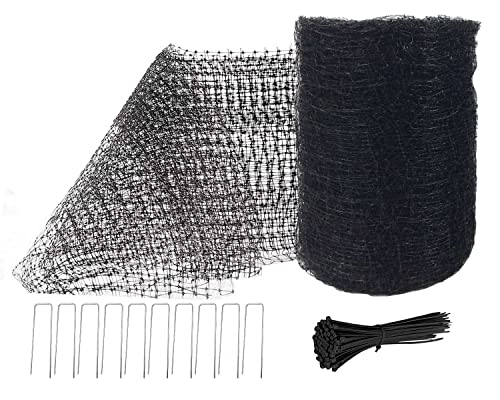
Feitore’s deer fence netting is designed for long-term exterior use with a 7-foot by 100-foot footprint. The 3/4-inch mesh size is optimized to deter deer, birds, and other larger animals without harming wildlife or constraining plant growth. The kit includes installation nails and cable ties, making setup easier for temporary or more permanent protection. Its polypropylene construction ensures lightweight durability, rot resistance, and reusability across growing seasons.
Ruolan Bird Netting for Garden Protect
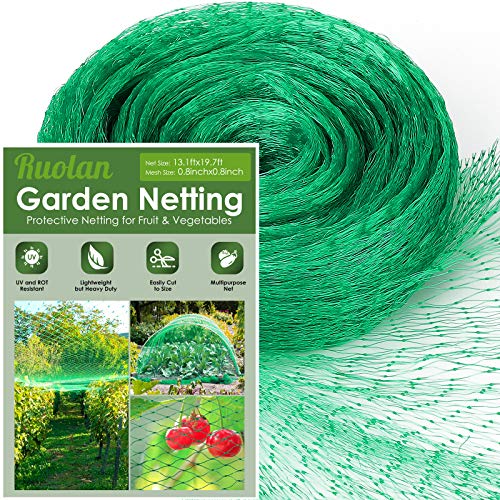
The Ruolan netting covers a substantial 13′ x 20′ area, offering broad protection for fruit trees, blueberries, strawberries, and garden beds. Made from durable polypropylene mesh, it is reusable and easy to customize with scissors or by tying. Install by fixing to stakes or frames to create a flexible barrier that keeps birds, deer, and other critters away while allowing sunlight, air, and water to pass through for healthy plant growth.
Jevrench Ultra Fine Garden Netting, 4’x25’

Jevrench’s ultra-fine 0.8 mm x 1 mm mesh provides robust protection for vegetables, fruits, and flowers. The 4′ x 25′ footprint covers large garden sections, helping secure pastures, orchards, and home gardens against birds and other animals. The netting is twice as thick as typical garden netting, offering enhanced durability and elasticity, with easy reusability for multiple seasons. It serves as a practical barrier that also supports garden yields by reducing pest-related losses.
Buying Guide
Key considerations when selecting a plant protection netting solution:
- Mesh size and transparency: Smaller mesh sizes prevent tiny insects and chicks from passing through but ensure light and airflow. Transparent materials help maintain photosynthesis and plant health.
- Coverage area and shape: Choose nets that fit the garden layout—rectangular panels for raised beds, circular covers for shrubs, or large sheets for orchards. Consider whether you need a drawstring or zip closure for easy access.
- Durability and material: UV-resistant HDPE or PE nets are common. Look for rot and rust resistance, lightweight construction, and ease of cleaning or drying after rain.
- Reuse and longevity: Reusable nets save money over time. Check for reinforced edges, tight selvedges, and sturdy fasteners to prevent unraveling or tearing.
- Protection scope: Some nets protect against birds and larger pests, while others deter a wider range of insects. For deer and larger vertebrates, higher clearance and stronger mesh are beneficial.
- Installation ease: Nets with drawstrings, ties, or included nails simplify setup. Ensure the design accommodates your plants’ growth and pruning needs.
- Storage and maintenance: Consider how easy it is to fold and store during off-seasons. Cleaning requirements and exposure to sun should be factored into maintenance planning.
- Environmental impact: Opt for non-toxic, plant-safe materials that won’t release harmful chemicals into soil or water through rainfall or irrigation.
These options provide varied approaches to plant protection—from lightweight, zippered covers for fruits to large, reusable deer barriers. When selecting, align the netting size, mesh density, and installation method to your specific crop types and garden configuration for optimal results.