Choosing the right garden mesh netting helps protect vegetables, flowers, and fruit trees from pests while still allowing sunlight, air, and water through. Below is a curated guide to five highly rated options, highlighting how each netting solution supports healthier, more productive garden beds. The selections emphasize durability, easy customization, and suitability for raised beds and row covers.
| Product | Brand | Key Benefit | Size |
|---|---|---|---|
| Garden Netting Pest Barrier (4’x10′) | Garden Tailor | Effective bug barrier for a wide range of pests; durable HDPE with UV resistance | 4′ x 10′ |
| 2 Pack 6.5x10ft Garden Netting | Alphatool | Ultra-fine mesh; keeps small animals out while allowing light and water | 6.5′ x 10′ (pack of 2) |
| Garden Mesh Netting Kit (10 x 30FT) | WYRJXYB | Ultra-fine netting with fiberglass hoops; long-lasting raised bed solution | 10′ x 30′ netting plus 6 hoops |
| Garden Netting, 10x33Ft | FARAER | Ultrafine mesh with easy water and air passage; versatile indoor/outdoor use | 10′ x 33′ |
| Jevrench Garden Netting 4x10ft | Jevrench | Thick, reusable, protects larger garden areas and improves yields | 4′ x 10′ |
Garden Netting Pest Barrier: 4’x10′ Fine Bug Netting
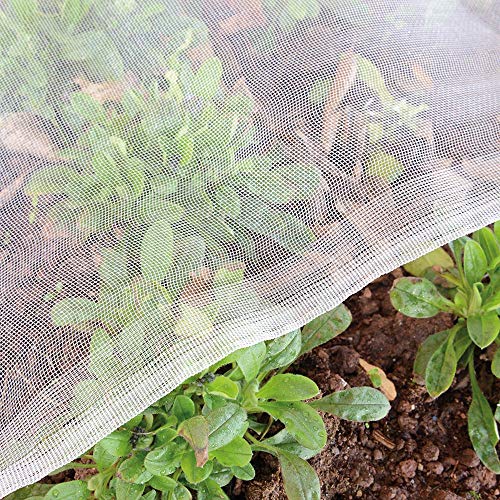
This 4′ by 10′ pest barrier from Garden Tailor acts as a broad-spectrum insect screen, shielding vegetables, fruits, and ornamentals from cicadas, aphids, and other common garden threats. Made from 100% HDPE, it’s UV-resistant, light enough to avoid plant damage, and features a tight selvedge that resists unraveling. The netting is versatile enough to cover raised beds, windows, or even ponds, making it a practical all-purpose option for many home gardens.
2 Pack 6.5x10ft Garden Netting

Alphatool’s double-pack garden netting is designed to guard vegetables, fruits, and flowers from small animals and birds. The 6.5′ by 10′ panels can cover large raised beds and greenhouse plots, and the PE material offers durability for repeated seasons. While it does not include poles, it provides excellent permeability to water and light, minimizing disruption to photosynthesis while keeping pests at bay.
WYRJXYB Garden Mesh Netting Kit

This kit combines 10′ by 30′ ultrafine netting with six fiberglass hoops. The durable PE mesh excludes insects, birds, and larger animals, while the hoops create a simple hoop-house structure that extends the growing season. The netting’s porous design allows water, light, and air to reach plants, supporting healthy growth. Fiberglass hoops resist rust and corrosion, offering lasting support in various weather conditions.
Garden Netting, 10x33Ft By FARAER
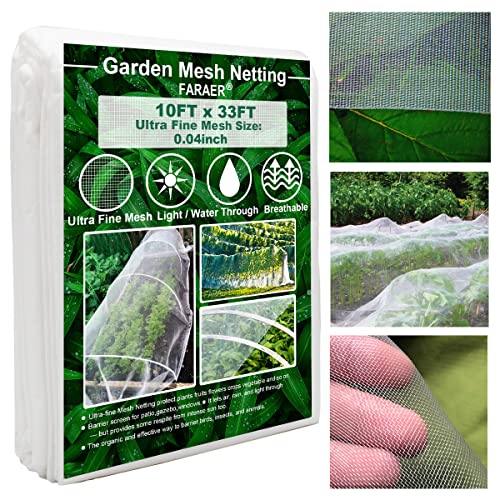
FARAER offers a 10 by 33-foot ultrafine mesh that balances pest protection with air and moisture passage. The oblong mesh pattern supports efficient watering and fertilization without removing the cover. This netting serves well for raised beds, row covers, and greenhouse applications, protecting crops from birds and many insects while preserving photosynthesis.
Jevrench Garden Netting (4ft x 10ft)

Jevrench’s 4′ by 10′ garden netting emphasizes a thicker, reusable design. The 0.8mm x 1mm ultra-fine mesh acts as a robust physical barrier against larger and smaller pests, potentially improving yields by reducing damage. Constructed from transparent PE material, it supports multiple seasons of use and can be trimmed to fit varied bed layouts, frames, or hoop supports.
Buying Guide
- Mesh size: Choose 0.8 mm x 1.0 mm or similar ultra-fine meshes to block small pests while allowing light and water for photosynthesis.
- Coverage area: For raised beds, larger panels (like 10′ x 30′ or 10′ x 33′) reduce the number of seams and gaps. Consider bundles with hoops for quick setup.
- Durability: Look for UV-resistant, PE or HDPE materials. Reusability is a key factor for long-term cost efficiency, as some nets last 3–5 seasons with proper care.
- Permeability: Ensure the netting permits air and water flow to prevent moisture buildup and root rot. Mesh that’s too dense can hamper irrigation and rainfall.
- Versatility: Some nets double as window or pond covers, or can be used indoors during seed starting, providing flexibility for seasonal needs.
- Installation: Photos of hoop systems indicate easier deployment and more uniform coverage. If you lack support poles, consider single panels designed for direct bed coverage or packs that include hoops.
- Maintenance: Opt for netting that’s easy to trim to size without fraying. Check selvedges for durability to avoid unraveling after cuts or wind.
- Reusability: Materials that resist sun exposure and tearing yield better long-term value. Clean nets after use to prevent mold and insect buildup.
Note: The product selections above focus on netting that balances pest protection with plant health through adequate light, air, and water transmission. Each option supports raised beds, row covers, greenhouses, and general garden protection without relying on chemicals.