For American gardeners aiming to boost soil health and accelerate composting, live worms offer an efficient, natural solution. Red wigglers and other composting worms break down kitchen scraps, convert waste into nutrient-rich castings, and aerate soil to improve root growth. This guide highlights five reliable options from trusted brands, detailing features that influence growth rates, nutrient content, and ease of use. Explore practical details to help you choose worms that fit your climate, bin setup, and gardening goals.
| Product | Brand | Worm Type | Notes |
|---|---|---|---|
| Uncle Jim’s Worm Farm 100 Count Red Wiggler | Uncle Jim’s Worm Farm | Red Wiggler | Great starter pack with diverse worm mix for rapid casting production |
| Uncle Jim’s Worm Farm 100 Count Super Red European Nightcrawlers | Uncle Jim’s Worm Farm | European Nightcrawler | Larger worms for robust aeration and soil structure |
| NaturesGoodGuys Live Redworms Composting Red Worms | NaturesGoodGuys | Red Wiggler | High-volume starter with 1,200 live worms |
| Uncle Jim’s Worm Farm 250 Count Red Wiggler | Uncle Jim’s Worm Farm | Red Wiggler | Mid-size bundle for faster compost finish and soil enrichment |
| NaturesGoodGuys Live Redworms Composting Red Worms | NaturesGoodGuys | Red Wiggler | 300 worms with emphasis on live guarantee |
Uncle Jim’s 100 Count Red Wiggler

The Best Worms for Composting: Red Wigglers from pre-established worm beds provide broad species diversity that supports multi-layer composting. These worms act across the bin’s depth, promoting faster breakdown of food scraps and richer worm castings. Castings produced are richer in essential nutrients, contributing to healthier garden soil and robust plant growth. The pack suits beginners and small to mid-sized compost systems, delivering a reliable start to productive worm farming.
Uncle Jim’s 100 Count Super Red European Nightcrawlers

Nightcrawlers are larger and typically favor garden soil structure, providing solid aeration and deep burrows that improve water infiltration. European Nightcrawlers can process a broader range of materials and contribute to robust worm castings. They complement vigorous plant rooting and are well-suited for larger bins or garden applications that benefit from strong soil mixing and aeration. These worms suit experienced hobbyists seeking quicker soil improvement in heavier soils.
NaturesGoodGuys 1,200 Red Wigglers
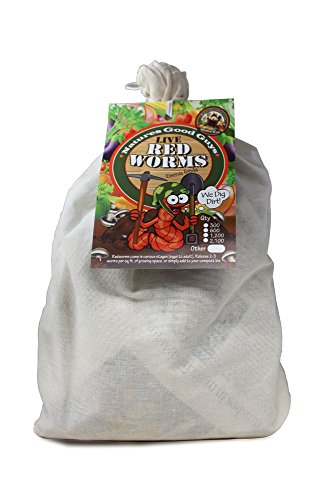
High-volume worm supplies can jumpstart larger compost systems or worm farms. Red wigglers efficiently convert organic waste into nutrient-dense castings that boost soil fertility. For households with substantial kitchen waste or hobby farms, 1,200 live worms provide a ready start and scalable growth potential. Ensure bin space and feed management align with a growing worm population to sustain steady production of castings.
Uncle Jim’s 250 Count Red Wiggler

A mid-sized bundle provides a balance between quick conversion rates and manageable bin maintenance. The Red Wiggler variety remains the primary choice for home composting, delivering high-quality worm castings that enrich soil. This option is suitable for users expanding from a smaller system or combining multiple bins to increase throughput and compost output without overloading a single unit.
NaturesGoodGuys 300 Red Wigglers

These are designed with a live guarantee and an emphasis on sustained release and reliability in worm populations. Ensuring steady reproduction and consistent castings, 300 worms strike a balance between capacity and manageability for many home compost setups. They can support ongoing feed cycles and help maintain rich soil for home gardens, raised beds, or containers.
Buying Guide
- Worm type considerations: Red wigglers (Eisenia fetida) are the most common for kitchen waste and compact bins; European nightcrawlers offer larger size and strong soil penetration, useful for aeration in heavier soils.
- Bin and space requirements: Smaller kits suit countertop or kitchen-sized compost bins; larger populations benefit garden plots or dedicated worm farms but require more feeding space and drainage control.
- Feeding and care: Maintain a balanced diet with assorted vegetable scraps, avoid meat and dairy, and monitor moisture. A slightly damp, crumbly consistency supports active worm activity.
- Nutrient content of castings: Castings rich in nitrogen, phosphates, and potash improve soil fertility. Regular harvesting of finished castings helps maintain ongoing production and soil benefits.
- Temperature and climate: Most composting worms thrive in the 55–85°F range. In extreme heat or cold, consider insulated bins or seasonal adjustments to maintain living conditions.
- Numbers to start with: For small setups, 100–250 worms can establish a productive bin; larger gardens or farms may benefit from 1,000+ worms for rapid processing and consistent castings.
- Source reliability: Reputable brands with experience in worm farming typically offer live guarantees and clear feeding guidelines, reducing the risk of stressed or dying populations.
- Delivery and packaging: Look for well-packaged shipments that minimize shipping stress (padded containers, moisture-retaining packaging) and clear instructions for acclimation upon arrival.
- Cost and long-term value: While initial costs vary, consider long-term benefits like reduced waste, improved soil health, and potential reductions in fertilizer needs.
- Maintenance expectations: Active worm populations require routine feed management, bin aeration, and occasional vermicompost harvesting to sustain productivity and quality of castings.