For vibrant blossoms and robust growth, choosing the right liquid fertilizer for flowers can make a noticeable difference. This guide highlights five reliable options that are popular in gardens and homes across the United States. Each product is evaluated on nutrient content, ease of use, and suitability for indoor containers or outdoor planters. You’ll find quick, actionable details to help you pick a formula that aligns with your flowering plants’ needs and your schedule.
| Product | Brand | Key Benefit |
|---|---|---|
| Miracle-Gro Pour & Feed Plant Food | Miracle-Gro | Instant feeding, direct to soil, no mixing |
| FoxFarm Big Bloom Plant Food | FoxFarm | All-purpose with earthworm castings and bat guano |
| Espoma Organic Bloom! | Espoma | Organic concentrate with kelp and humic acids |
| FoxFarm Tiger Bloom Liquid Fertilizer Concentrate | FoxFarm | High phosphorus for flowers and fruit |
| Miracle-Gro Water Soluble All Purpose Plant Food | Miracle-Gro | Rapid growth for mixed outdoor and indoor plantings |
Miracle-Gro Pour & Feed Plant Food

Category: Quick-apply liquid fertilizer. Brand: Miracle-Gro. This ready-to-use plant food feeds live plants instantly and is designed for both outdoor and indoor plants in containers. No mixing with water is required—simply apply directly to the soil around houseplants or potted arrangements. Ideal for busy gardeners who want fast results without measuring or dissolving powders. The formula aims to deliver visible growth and vigor across a variety of potted plant types.
FoxFarm Big Bloom Plant Food

Category: Liquid fertilizer concentrate for flowers, fruits, and vegetables. Brand: FoxFarm. Big Bloom is designed to foster vibrant blooms and robust growth with a blend that includes earthworm castings and bat guano. The product aims to support root development, enhance fragrance, and improve essential oil production. It’s suitable for both indoor and outdoor potted plants and emphasizes a natural, micro-brewed nutrient profile without harsh additives.
Espoma Organic Bloom!

Category: Organic liquid concentrate for flowering plants. Brand: Espoma. Bloom! is formulated to promote vigorous growth and prolific blooming, especially in flowering annuals and perennials. The fertilizer is enhanced with natural proteins, kelp extracts, and humic acids, and carries a fertilization ratio of 1-3-1. It’s designed for regular use every 2–4 weeks during the growing season, typically mixed with water as directed. The product emphasizes a natural approach to bloom production with minimal risk of sludge or toxicity.
FoxFarm Tiger Bloom Liquid Fertilizer

Category: Flower and fruit-focused liquid fertilizer. Brand: FoxFarm. Tiger Bloom features a high phosphorus formula intended to accelerate bloom and fruit set. It blends nutrients to support flowering intensity and bud development, along with essential nitrogen for foliage and root growth. The product notes that a low pH helps stabilize micronutrients, ensuring availability for uptake. It’s positioned as a robust option for gardeners aiming to maximize flowering output across a variety of plant types.
Miracle-Gro Water Soluble All Purpose Plant Food
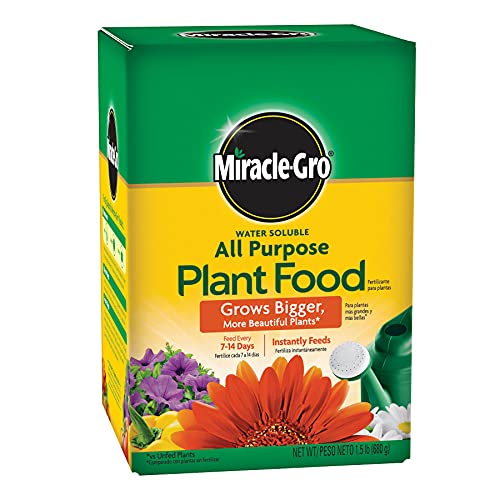
Category: All-purpose water-soluble fertilizer for mixed plant types. Brand: Miracle-Gro. This product feeds a broad range of outdoor and indoor plants, including roses, flowers, vegetables, houseplants, trees, and shrubs. The NPK ratio is 24-8-16, indicating a higher nitrogen level to support quick growth and lush foliage while also promoting flowering. It’s designed to dissolve in water for easy delivery through traditional watering routines and garden feeders.
Farmer’s Secret Fruit & Bloom Booster Fertilizer

Category: Concentrated booster for fruiting and blooming across plant varieties. Brand: Farmer’s Secret. The formula is designed to strengthen roots to enhance nutrient uptake, promote abundant blooms, and increase yield. It’s intended for a wide range of flowering and fruiting plants, including citrus trees and berries. The product is highly concentrated, with a recommended dilution rate to stretch small amounts into many applications.
Buying Guide: Key Purchase Considerations And Comparisons
- Plant type and goal: For pure flowering emphasis, look for high phosphorus (P) content and additives that support bloom set, such as Tiger Bloom or Big Bloom. For general growth and foliage, higher nitrogen can be beneficial (though not at the expense of blooms).
- Indoor vs. outdoor use: Indoor houseplants often tolerate gentle feeding with milder concentrations or organic options like Bloom!. Outdoor containers may tolerate stronger formulas such as all-purpose or bloom-boosting blends, depending on plant density and substrate.
- Organic vs. synthetic: Organic blends (like Espoma Bloom!) emphasize natural ingredients and slower release; synthetic formulas (like Miracle-Gro products) provide quicker, visible results but may require more careful dosing to avoid salt buildup.
- Ease of use: Ready-to-use liquids or granules that dissolve easily save time. Products labeled as “no mixing” or “quick feed” are ideal for busy schedules, especially for container gardens.
- Application frequency: Most flowering fertilizers run on a 2–4 week schedule during the growing season. Always adjust frequency based on plant response, growth stage, and environmental conditions.
- Safety and plant compatibility: Read labels for plant compatibility (ornamental flowers, edibles, or a mix). Some highly concentrated formulas require dilution; improper use may lead to fertilizer burn.
- Container size and coverage: Larger containers and outdoor beds may need larger quantities or more frequent feedings. Consider kits that pair plant food with a feeder for streamlined application.
- Environmental considerations: Choose options with lower salt index and gradual nutrient release if you’re concerned about soil salinity or runoff in sensitive landscapes.
Summary: When selecting a liquid fertilizer for flowers, balance the desired bloom intensity with ease of use and plant type. Organic options suit container gardens and eco-conscious gardeners, while synthetic blends deliver rapid results for ornamental beds and mixed plantings. Always start with the recommended dilution rate and observe plant response to adjust feeding as needed.