Terrarium enthusiasts often seek natural, durable leaf litter to mimic native habitats, support microfauna, regulate humidity, and provide hiding spots. This guide highlights five top leaf litter products designed for frog, reptile, isopod, and terrarium setups. Each selection features natural origins, substrate benefits, and practical considerations for creating a thriving, low-maintenance enclosure.
| Product | Brand | Key Benefit |
|---|---|---|
| JOR 60 Pack Dwarf Frog Leaf Litter | JOR | Dried leaves sized for small terrariums; nourishes soil and supports frog food web |
| MAQIHAN 4.9 OZ Dry Oak Leaf Litter | MAQIHAN | Organic oak leaves for humidity control and microfauna habitat |
| SunGrow Mini Catappa Leaf Litter (100 Pcs) | SunGrow | Small Indian almond leaves for hiding places and humidity maintenance |
| SCOTTY’S BUGS Mulched Leaf Litter | SCOTTY’S BUGS | Mulched forest leaves for easy digestion and burrowing |
| MAQIHAN 3.7 OZ Longan Leaf Litter | MAQIHAN | Natural longan leaves with tannins for pH stability and habitat realism |
Note: All products offer natural leaf litter experiences suitable for various terrarium inhabitants. Consider enclosure type, humidity targets, and species-specific needs when selecting a leaf litter mix.
JOR 60 Pack Dwarf Frog Leaf Litter

Features: Handpicked leaves sized 1.5-2.5” (3.8-6 cm) in gold and russet tones. Leaves are described as ideal for frog habitats and indoor plant care. They are intended to nourish soil, support frog food webs, and serve as bed material for breeding. The leaf litter is presented as a year-round solution, offering a consistent habitat texture. As leaves break down, they contribute nutrients beneficial to springtails, isopods, and other microfauna common in bioactive vivariums.
MAQIHAN 4.9 OZ Dry Oak Leaf Litter
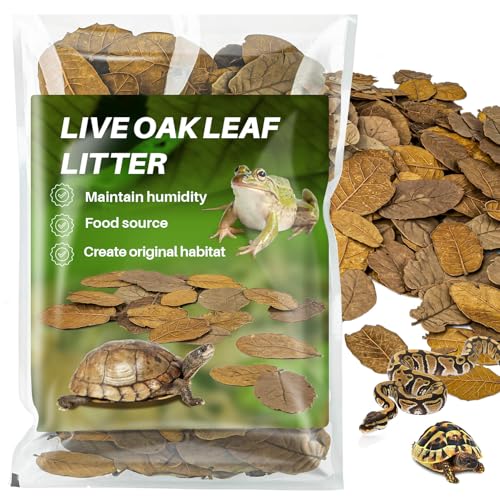
Features: Dried oak leaves without chemical treatments, suitable as substrate for reptiles and amphibians. Helps maintain humidity and provides shelter and hiding areas. Supports microfauna such as isopods by providing an organic food source and conducive habitat. The litter is described as natural, with benefits for soil moisture balance and drainage optimization within terrarium substrates.
SunGrow Mini Catappa Leaf Litter (100 Pcs)

Features: Pack of 100 dried Indian almond leaves (2 inches each) designed to add hiding places and visual barriers while maintaining humidity. Leaves also contribute to microfauna health by providing decomposition substrates. These mini leaves are positioned as a convenient size for gradual introduction to new habitats, helping reptiles, tarantulas, isopods, and other invertebrates acclimate naturally.
SCOTTY’S BUGS Mulched Leaf Litter

Features: Sterilized leaf litter sourced from natural woodlands, including elm, maple, and oak leaves. The litter is mulched for better enclosure coverage and easier digestion by isopods, snails, and other detritivores. It provides visual barriers, hiding spots, and supports a forest-like terrarium ecosystem by aiding humidity maintenance and natural burrowing behavior.
MAQIHAN 3.7 OZ Longan Leaf Litter
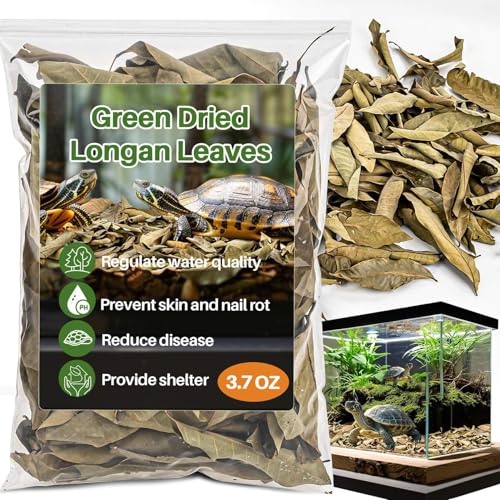
Features: Longan leaves collected from nature and dried without additives. They help regulate water quality, provide hiding shelters for turtles and reptiles, and maintain humidity in substrate environments. The tannins released by longan leaves can influence pH levels, potentially reducing water change frequency and stabilizing habitat conditions. The leaves offer natural aesthetics and functional benefits for tank hygiene and microfauna support.
Buying Guide
Purchase considerations for terrarium leaf litter:
- Species compatibility: Some reptiles and amphibians prefer denser leaf litter for burrowing, while others benefit from lighter, more decomposable leaves. Match leaf type to your species’ natural habitat.
- Leaf source and treatment: Prefer untreated, pesticide-free leaves harvested from safe environments. Sterilized or naturally dried leaves reduce mold risk but may alter the decomposition rate.
- Size and quantity: Smaller leaves support microfauna and discreet hiding spots in compact terrariums; larger packs suit bigger enclosures. Consider weekly replacement or addition to maintain balance.
- Humidity and drainage: Leaf litter influences substrate moisture. Oak and Indian almond leaves are known for their humidity retention and tannin content, which can affect pH and microbial communities.
- Microfauna synergy: Leaf litter serves as a substrate for isopods, springtails, and centipedes. Ensure your setup includes compatible isopods or detritivores to optimize nutrient cycling.
- Maintenance: Mulched or finely shredded litter generally decomposes faster and may require more frequent replenishment. Coarser leaves last longer but may provide fewer microhabitat niches.
When integrating leaf litter, begin with a thin layer and gradually add more as you observe your animals’ natural behavior. Monitor humidity, substrate moisture, and pH to maintain stable conditions. This approach helps create a thriving, bioactive terrarium that supports natural behaviors and a healthy detritivore community.