Growing healthy fruits, vegetables, and ornamentals often hinges on protecting them from pests, birds, and harsh weather. A durable garden screen or netting can create a breathable barrier that still lets sunlight, water, and air reach your plants. This guide highlights five top-rated garden netting products to help you choose the right screen for your beds, containers, and orchards. Each section includes practical details to compare effectiveness, durability, and ease of use.
Summary of selected products:
| Product | Brand | Size | Key Benefit |
|---|---|---|---|
| KLEWEE Garden Netting | KLEWEE | 10 x 50 ft | Ultra-fine mesh for broad protection |
| Garden Netting Pest Barrier (4’ x 10’) | Garden Tailor | 4 x 10 ft | Versatile, durable bug barrier |
| Alphatool Garden Netting | Alphatool | 2 x 6.5 ft (per pack) | Two-pack, wide coverage |
| RESTCLOUD Outdoor Mesh Plant Enclosure | RESTCLOUD | 24 x 24 x 36 in | Pop-up cage for instant protection |
| Feitore Deer Fence Netting | Feitore | 7 x 100 ft | Long-run deer and large animal barrier |
KLEWEE Garden Mesh Netting: Large-Scale Ultra-Fine Coverage

The KLEWEE garden netting provides a substantial 10 x 50 ft coverage with an ultra-fine 0.8 mm mesh, designed to protect crops from birds, deer, rabbits, cicadas, and other pests. The mesh is fine enough to deter many small invaders while remaining breathable for light, water, and air exchange essential to plant health. It’s described as long-lasting, cuttable, and suitable for use over raised beds, trees, or larger garden sections. The product’s transparency also helps gardeners monitor growth without removing the barrier.
Usage notes emphasize flexibility: you can cut the net to fit irregular shapes and trim edges for a custom fit. The material aims to be durable and reusable, reducing the need for frequent replacements. This nets’ coverage makes it suitable for blueberries, strawberries, tomatoes, leafy greens, and fruit trees, especially in busy growing seasons where pests peak.
Compared to lighter coverings, KLEWEE’s mesh density and large area reduce the number of seams or gaps that pests exploit. For best results, pair with hoops, frames, or lightweight supports to ensure the net remains elevated above plant canopies and to prevent sagging during rain. It’s a practical option for gardeners who want substantial protection without building a rigid structure.
Garden Tailor Pest Barrier: Versatile 4×10 Foot Shield
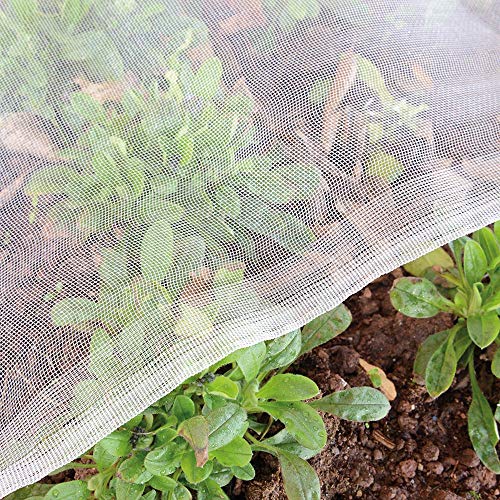
Garden Tailor’s 4 x 10 ft pest barrier is designed as a multi-purpose garden screen that works across beds, ponds, greenhouses, and raised plots. The 100% HDPE construction is UV-resistant, which supports longevity in sunny climates. The tight weave is intended to block a broad spectrum of insects and some larger pests, while still allowing sunlight, rain, and airflow to pass through. The stated benefit is a healthier garden by reducing pest pressure without chemical interventions.
Practically, the 4-by-10-foot sheet can cover a row or several plants, and it’s designed to be adaptable for indoor or outdoor use. Gardeners can use it to shield tomatoes, leafy greens, herbs, or flowering plants. The product’s durability is emphasized, including a tight selvedge that resists unraveling after cutting. While it’s not a rigid enclosure, it serves well as a lightweight barrier that can be deployed quickly and removed with ease for maintenance or harvests.
One consideration is that this barrier is best used with supportive structures or framing to maintain shape and keep pests from creeping under the edges. Its broad applicability—covering, ponds, windows, and patios—makes it a flexible choice for people who want a single solution for multiple gardening tasks.
Alphatool 2 Pack: 6.5×10 Feet Garden Netting

The Alphatool package includes two 6.5 x 10 ft garden nets, offering substantial coverage for sprawling beds or multiple containers. The mesh is described as high-quality PE material that’s sturdy and reusable when properly maintained. A notable feature is the net’s high permeability: tiny holes let water, nutrients, and sunlight pass through without compromising barrier effectiveness. This balance supports healthier growth by preserving photosynthesis while deterring pests and small animals.
One advantage of purchasing a two-pack is extended reach and flexibility across a larger garden footprint. Gardeners can drape one net over a main bed and one over a secondary planting zone, or reuse nets across seasons as crop styles change. The ability to trim and adjust the net helps it adapt to hoops, frames, or simple stakes, enabling quick setup around irregular plant shapes or rows.
Potential limitations include ensuring sufficient tension to prevent gaps along the edges, which pests might exploit. Regular checks after wind, rain, or heavy dew help maintain optimal performance. This option is especially suitable for raised beds and ornamental plantings where visual discreteness matters because the white mesh remains relatively inconspicuous.
RESTCLOUD Outdoor Mesh Plant Enclosure
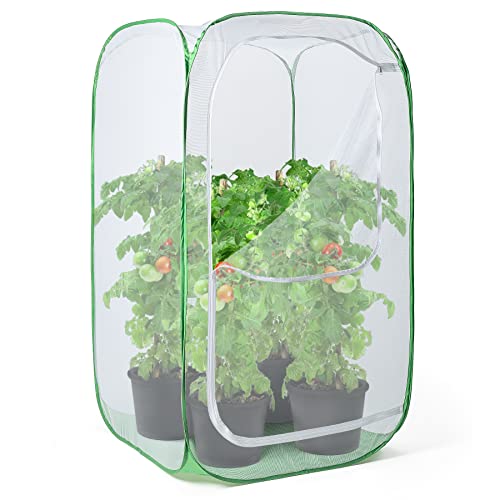
The RESTCLOUD mesh plant enclosure is a pop-up cage designed for rapid deployment around fruit, vegetables, flowers, and herbs. Its 24 x 24 x 36-inch dimensions sit well over many standard plant towers or small tree seedlings, providing immediate protection from birds, pests, and some external elements. The 1/8-inch (2 mm) square mesh allows ample light and airflow, which helps minimize overheating while keeping pests at bay.
Collapsible design means easy storage when not in use, and the tent-like enclosure can be placed around larger plants or grouped clusters. This model excels in situations requiring quick installation and removal—perfect for container gardens, patio planters, or starting plots in early season. It’s particularly suitable for gardeners who want a portable, temporary barrier that doesn’t require permanent fixtures or hardware.
Maintenance involves ensuring the enclosure remains taut and uncrushed by plant growth. The design’s portability means it can be moved as plants grow taller or shift in orientation. It’s not meant for extremely large trees, but it serves as a practical tool for protecting tender seedlings and fruit-bearing herbs in dynamic garden layouts.
Feitore Deer Fence Netting: Long-Run Protective Barrier
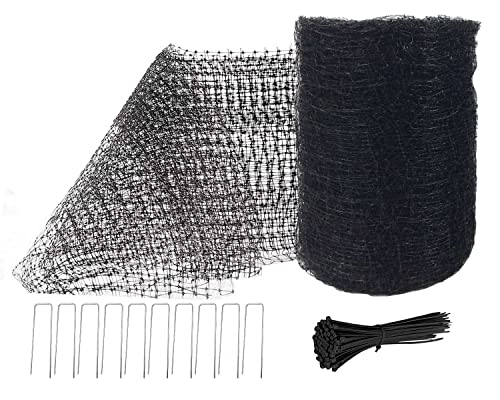
Feitore’s 7 x 100 ft deer fencing provides a long run of barrier protection for expansive gardens, orchards, or landscape plantings. The 3/4-inch square mesh is designed to deter larger animals like deer and other persistent intruders while remaining economical and reusable. The product is described as lightweight yet sturdy, made from polypropylene, with accessories included for straightforward installation, such as nails and cable ties.
Beyond deer, the netting can serve as a general bird and animal barrier for extended garden borders, fruit trees, and veggies. It’s particularly valuable for large plots or perimeters where a single screening solution needs to cover a broad area without frequent replacement. Gardeners should plan for tensioning and anchoring across long spans to prevent sagging, which could create gaps at the base or along edges.
Consider using this option when you need durable protection that can span across fences, trellises, or orchard rows. Its large scale is a practical choice for protection against large pests, while remaining compatible with seasonal adjustments and crop rotations.
Buying Guide: Key Purchase Considerations
- Mesh size and material: Ultra-fine mesh provides strong protection against small pests but can limit airflow. Look for UV-stable, polyethylene or polypropylene nets for durability and weather resistance.
- Coverage and shape: Measure your beds, rows, and containers to determine whether rectangular sheets, square enclosures, or long runs best fit your layout. Consider hoops, frames, or simple stakes to maintain shape.
- Light, water, and airflow: A good garden netting should let sunlight through, allow rain to reach plants, and enable air movement to reduce mold and heat buildup.
- Reusability and maintenance: Reusable nets save money over time. Check for tight edges, tear resistance, and easy cleaning to extend life across growing seasons.
- Installation ease: Pop-up enclosures and drawstring designs speed setup, while larger nets may require frames or posts for stability. Consider your time and effort budget when choosing.
- Target pests: Different nets suit different pests—small insects, birds, or larger mammals like deer. Assess local wildlife and choose a mesh size and barrier type to address those threats.
- Portability and storage: Lightweight nets are easy to reposition, but you may need a larger enclosure for perimeters. Collapsible designs help when not in use.
- Cost vs. durability: Compare price against expected lifespan. Higher-quality nets with UV resistance generally offer better long-term value for busy gardens.
In practice, an effective setup combines a primary barrier with selective placement. For example, use a large-area netting for perimeters or perennial fruit trees, complemented by smaller, more flexible covers for individual beds and containers. This multi-layer approach reduces pest pressure while maintaining plant health and harvest yields throughout the growing season.