Zone 9 offers long growing seasons and warm winters, making it ideal for a variety of fruit trees and espalier-worthy vines. The selections below focus on drought tolerance, pest resilience, and robust fruiting in warm environments. Each option is suited for outdoor landscapes and containers, with a mix of pomegranates, figs, mangoes, and passion fruit to diversify harvests throughout the year.
| Product | Key Zone Fit | Type | Notes |
|---|---|---|---|
| Zones 7-10 | Pomegranate Tree | Cold hardy and drought tolerant; large red fruit | |
| Zones 7-10 | Pomegranate Tree | Sweet, deep red arils; container-friendly | |
| Zones 8-11 | Fig Tree | Cold hardy; prolific edible figs | |
| Zones 9-11 | Mango Tree | Yellow-mango variety; well-rooted plant | |
| Zones 9-11 | Passion Fruit Vine | Fragrant flowers; high-yielding vine |
Russian Pomegranate In A 1 Gal. Grower’s Pot

The Russian Pomegranate offers edible fruit, showy blossoms, and relatively low maintenance. It thrives in warm outdoor landscapes and provides large, tasty pomegranates as early as a few seasons after planting. The tree is self-pollinating, meaning a second tree isn’t required for fruit production. It is suited for outdoor gardens rather than as a houseplant, and it fits neatly into zone 9’s mild winters.
Fig Tree Chicago Hardy Live (4 Pack)

The Chicago Hardy fig is known for its cold-hardiness and adaptability to Zone 9 gardens. These rooted starter plants are ideal for beginners and seasoned growers alike, delivering sweet, edible figs with relatively low maintenance. Their compact growth habit makes them suitable for containers or small yard spaces, while their fruit quality supports fresh eating, baking, and preserves.
Parfianka Pomegranate Tree
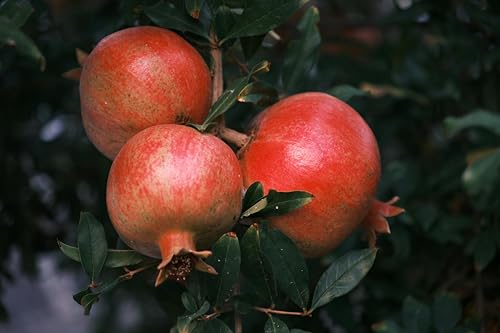
Parfianka pomegranates are celebrated for their sweet, wine-red arils and reliable yields. The starter tree arrives with a healthy root system and is well-suited for container growing or in-ground planting within zones 7-10. This cultivar tends to produce dense fruit with balanced flavor, offering a reliable harvest that complements fresh usage and juicing alike.
Sweet Mango Tree Live Plant

The Sweet Mango Tree provides a ready-to-grow yellow mango variety for warm zones. With Zone 9-11 compatibility, this well-rooted plant supports a fruitful harvest in spacious yards or sunny patios. Mango trees require full sun and well-drained soil, and they benefit from regular feeding and proactive pest management in warmer climates.
Pack 2 Mixed Passion Fruit Vine Plant

This passion fruit duo offers tropical flavor and fragrant blooms, ideal for trellises, fences, or garden walls. As a perennial in zones 9-11, it delivers year-after-year fruit with relatively low maintenance. It thrives in full sun and well-drained soil, and can be trained vertically to maximize space in smaller yards or containers.
2 Elderberry Plants

Elderberries add a diversified fruit crop to Zone 9 landscapes, offering fragrant flowers in spring and edible berries later. Suitable for ornamental use as well as culinary purposes, elderberries can thrive in cool to warm climates when given adequate moisture and well-drained soil. They grow as shrubs and can reach substantial heights in favorable conditions.
Grape Vine Plant Live

Grapes provide a versatile fruiting option for Zone 9 climates. This young grape plant ships pruned and ready for growth, with a strong root system. A vigorous climbing vine, it performs well on trellises or arbors, contributing shade and easy access to fresh fruit during warm seasons.
Buying Guide
Key purchase considerations
- Zone compatibility: Verify that each cultivar’s recommended zones include Zone 9, ensuring winter survival and spring fruit set.
- Root system and container suitability: For urban spaces, consider container-friendly options with compact growth habits and strong root systems.
- Pollination needs: Some fruit trees are self-fertile, while others may benefit from cross-pollination. Choose accordingly to maximize yields.
- Soil and sun requirements: Most fruit trees prefer full sun and well-drained soil. Adjust irrigation and soil amendments to prevent root rot and improve fruit quality.
- Maintenance needs: Drought tolerance, pruning, and pest management vary by species. Plan seasonally for pruning windows and nutrient feeding.
- Harvest timing: Understand approximate harvest windows (early fall for pomegranates, late summer for figs and mangoes) to align with culinary plans and storage capacity.
Comparative perspectives
- Hardiness vs. yield: Pomegranates like Parfianka and the Russian cultivar offer reliable crops with seasonal maturity, while figs can provide abundant fruit with fewer seasonal constraints in Zone 9.
- Water usage: Drought-tolerant options help conserve water, but trees like mangoes benefit from regular moisture in hot climates for best fruit production.
- Space utilization: Vines such as passion fruit maximize vertical space, whereas trees like pomegranates require more horizontal room but can be grown in pots if pruned.
- Flavor profiles: Pomegranates deliver bright arils, figs offer sweetness, and mangoes provide tropical sweetness; interplanting diverse fruit types helps spread harvest timing across the year.