Zone 7a offers a temperate climate with mild winters and hot summers, making it ideal for a wide range of fruit trees. This guide highlights hardy, low-maintenance trees that perform well in Zone 7a, including peaches, pomegranates, and apples. Each selection features self-fertile options when possible, strong fruit yields, and adaptability to outdoor garden conditions. Explore five well-suited trees, their key traits, and buying considerations to help you choose varieties that thrive in your yard.
| Product | Type | Why It Stands Out |
|---|---|---|
| Russian Pomegranate in a 1 Gal. Grower’s Pot | Pomegranate | Cold hardy, drought tolerant, self-fertile |
| Elberta Peach Tree | Peach | Classic freestone fruit, self-pollinator, adaptable |
| Belle of Georgia Peach Tree | Peach | Self-pollinating, strong producer, zone 5-8 |
| PERFECT PLANTS Belle of Georgia White Peach Tree | Peach | White flesh peaches, moderate chill requirements |
| American Plant Exchange Apple Tree ‘Semi Dwarf Braeburn’ | Apple | Cold-hardy, crisp flavor, disease resistance |
Russian Pomegranate In A 1 Gal. Grower’s Pot

The Russian Pomegranate offers edible fruit, showy flowers, and low-maintenance growth. In Zone 7a, it tends to yield large, flavorful pomegranates as the plant matures. It is self-fertile, reducing the need for a second tree to achieve fruiting. This tree is best suited for outdoor landscapes rather than interiors and thrives in warm growing conditions with adequate sun.
Elberta Peach Tree, Fruit Bearing, Heirloom Variety

Elberta peaches are freestone, making fruit handling easy for slicing and culinary use. In Zone 7a, Elberta trees can perform well with proper sun and well-drained soil. Note that shipments to certain states are restricted due to agricultural laws, and the expected tree height at shipment is typically 2-3 feet. This variety is well-suited for home orchards seeking classic peach flavor and reliability.
Belle of Georgia Peach Tree – Self Pollinating
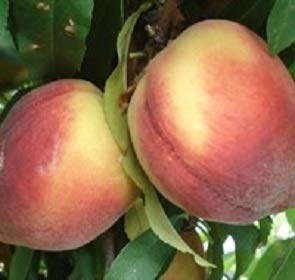
The Belle of Georgia peach tree is a robust option for Zone 7a, offering self-pollination and strong fruit production. It performs well in zones 5 through 8 with full sun exposure. Planting in-ground is recommended for best growth, as container transplanting can limit peach development. This cultivar is a dependable choice for backyard orchards seeking reliable peach harvests with minimal pollinator requirements.
PERFECT PLANTS Belle of Georgia White Peach Tree
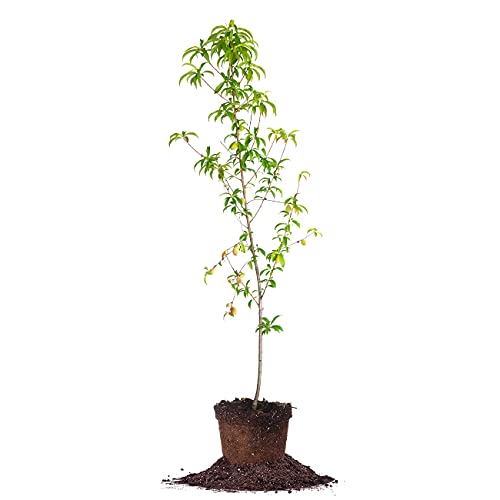
This Belle of Georgia White Peach Tree emphasizes white-fleshed peaches, known for their sweet flavor and unique color profile. It suits zones 5-8 and tolerates moderate chill requirements, making it a versatile choice for many Zone 7a gardens. As with other peach trees, ensure full sun, well-draining soil, and adequate space for growth, with attention to pruning for optimal yield and disease prevention.
American Plant Exchange Apple Tree ‘Semi Dwarf Braeburn’

Braeburn apples deliver a crisp, balanced sweet-tart flavor ideal for fresh eating, baking, and cider. The semi-dwarf form is suitable for Zone 7a home orchards, offering easier management and harvest. The tree is described as cold-hardy with disease resistance, making it a practical choice for cooler winter periods and variable spring conditions.
Ponderosa Lemon Patio Fruit Trees

While not among the five selected primary products, note that lemon trees can thrive in Zone 7a with appropriate sun and protection during cooler periods. The Ponderosa Lemon offers sizable fruit and a compact growth habit, making it suitable for patios or small gardens. Keep in mind that container-grown citrus requires careful watering, graft protection, and winter shelter in colder spells.
Buying Guide: Key Purchase Considerations For Zone 7a
- Climate compatibility: Look for self-fertile varieties when space is limited, and prefer trees with good cold-hardiness for winter resilience.
- Root stock and size: Semi-dwarf or dwarf cultivars save space and simplify pruning and harvests in Zone 7a landscapes.
- Pollination and yield: While many peach varieties are self-fertile, apples and pomegranates may benefit from cross-pollination; plan planting locations accordingly.
- Sun exposure and soil: Most fruit trees require full sun and well-draining soil. Amend soil with organic matter to improve structure and fertility.
- Water management: Drought tolerance varies by species; establish a consistent irrigation plan, especially during fruit set and ripening.
- Pest and disease resilience: Choose varieties with known resistance to common issues in your region and practice integrated pest management.
- Storage and usage: Consider how you plan to consume fruit (fresh, baking, preserves) to select cultivars with desired flavor profiles and fruit characteristics.
- Regulations and shipping: Some cultivars have state shipment restrictions; verify availability for your location before purchase.
Additional Considerations
Preparing a planting site with adequate space, wind protection, and compatible companion plants can enhance fruit production. Regular pruning, fertilizer applications aligned with growth stages, and protective measures against late frosts improve overall orchard performance in Zone 7a. For beginners, starting with a self-pollinating peach or a cold-hardy apple variety can provide straightforward success while you expand your home orchard.