Healthy lemon trees rely on balanced nutrition to produce vibrant foliage and abundant fruit. This guide reviews top-rated lemon tree fertilizers from trusted brands, highlighting how each formula supports growth, flowering, and fruiting. Whether you’re growing Meyer lemons in pots or caring for citrus trees in the ground, these products offer convenient options from quick-dissolving liquids to slow-release spikes. Use this overview to choose a program that matches your tree’s age, planting conditions, and organic or conventional preferences.
Summary of selected products:
| Product | Brand | Format | Key Benefit |
|---|---|---|---|
| Lemon Tree Fertilizer, Complete Lemon Tree Plant Food (8 oz) | TPS NUTRIENTS | Liquid | Simple, fast-acting nourishment for Meyer and other citrus |
| Down To Earth All Natural Fertilizers Organic Citrus Mix (1 lb) | Down To Earth All Natural Fertilizers | Organic granular | OMRI-listed organic nutrition with diverse trace minerals |
| Liquid Lemon Tree Fertilizer by Perfect Plants (8 oz) | PERFECT PLANTS | Liquid | Balanced 6-3-3 formula plus micronutrients for quick growth |
| Farmer’s Secret Citrus Tree Booster Fertilizer (8 oz) | Farmer’s Secret | Liquid concentrate | Highly concentrated with weekly feeding guidance |
| Miracle-Gro Fruit & Citrus Plant Food Spikes | Miracle-Gro | Spikes | Seasonal feeding that supports fruiting and vigor |
Note: All products listed are designed for broad use with citrus trees, including Meyer lemons, and cover a range of application styles from liquids to spikes. Always follow label directions for best results and adjust feeding based on tree age, size, and soil conditions.
Lemon Tree Fertilizer, Complete Lemon Tree Plant Food
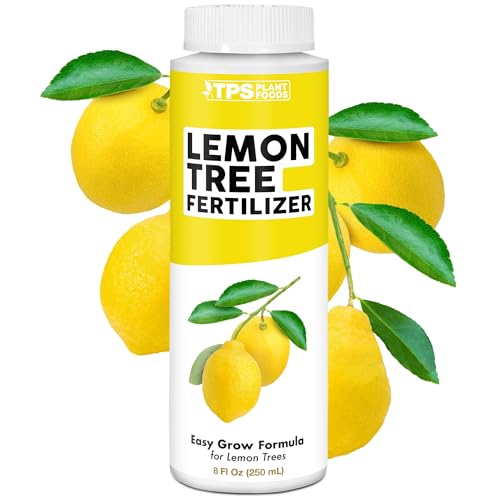
TPS NUTRIENTS markets a liquid lemon tree fertilizer that is easy to mix and apply. The directions call for 2 tablespoons of product per gallon of water, then watering as usual. This simple regimen is suited for Meyer lemon trees and other citrus varieties, delivering a nutrient boost to support lush foliage and productive fruiting cycles. The formula emphasizes essential nutrients that support steady growth and bright, healthy leaves. For container or patio trees, regular feeding can help maintain vigor and harvest quality throughout the year.
Key features include a straightforward mixing routine designed for quick uptake and a formulated nutrient profile aimed at promoting both vegetative growth and fruit production. Gardeners often choose this option when they want predictable results with minimal preparation. As with all liquid fertilizers, consistent coverage around the root zone is important to maximize absorption and minimize fertilizer burn, especially in young or stressed trees.
Down To Earth Organic Citrus Mix

This all-natural citrus mix is an OMRI-listed organic fertilizer designed for citrus trees, including lemons, limes, oranges, and avocados. It features a balanced 6-3-3 NPK with added calcium, sulfur, iron, and zinc to support foliage health, flowering, and fruit development. The formula relies on premium natural inputs such as feather meal, fish bone meal, alfalfa meal, langbeinite, basalt, and kelp derivatives to enhance nutrient uptake. This product is ideal for organic or sustainable gardens seeking robust plant growth without synthetic additives.
Using organic citrus food helps align with environmentally conscious gardening practices while still delivering the nutrients citrus trees require. For best results, apply according to soil test guidance and water in deeply to reach the root zone. The product’s natural composition generally improves soil biology, contributing to long-term tree health and resilience against environmental stressors.
Liquid Lemon Tree Fertilizer by Perfect Plants
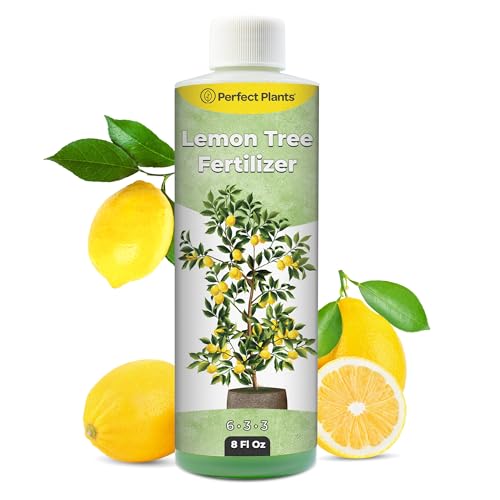
Perfect Plants offers a liquid citrus plant food with a balanced 6-3-3 formulation, focusing on nitrogen, phosphorus, and potassium along with micronutrients like zinc and manganese. This mix targets Meyer lemon trees and other citrus in outdoor or indoor settings, helping maintain height, vigor, and fruit production. A simple feeding routine—2 tablespoons per gallon of water—makes it easy to integrate into regular watering schedules. The inclusion of micronutrients supports enzyme activity and chlorophyll synthesis, contributing to healthier leaves and more blossoms.
Users should monitor for rapid green growth after feeding and adjust frequency with seasonal changes. Liquid formulations typically provide quicker results than granular options, but they may require more frequent application to sustain nutrient availability. This product is well-suited for container plants or trees that benefit from precise, regular nutrition.
Farmer’s Secret Citrus Tree Booster

Farmer’s Secret promotes a strong, healthy citrus tree with a concentrate designed for all citrus varieties, including lemons. The product is labeled as highly concentrated, so a small amount goes a long way. Typical guidelines suggest mixing one teaspoon per gallon of water and applying weekly around the drip line. For young trees, lighter applications help prevent fertilizer burn, while mature trees may tolerate higher weekly dosages. Regular feeding supports strong root systems and robust fruiting patterns, especially in challenging soil conditions.
As with all concentrated solutions, careful measurement and uniform distribution are key to avoiding over-fertilization. This option appeals to gardeners seeking an economical feeding strategy with clear weekly dosing, particularly for larger trees or those in containers that require more frequent nutrient replenishment.
Miracle-Gro Fruit & Citrus Plant Food Spikes
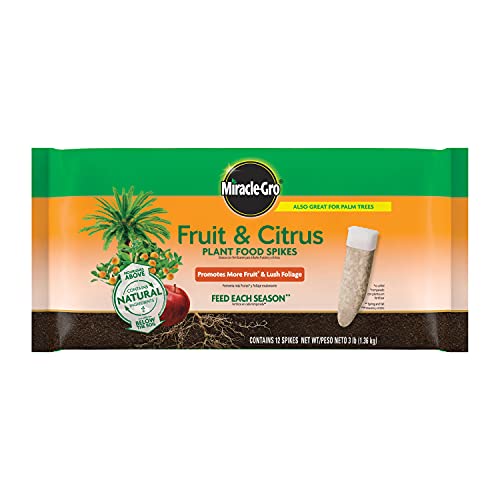
Miracle-Gro provides a spike-based feeding option designed for citrus trees to deliver nutrients gradually over time. This method is convenient for ongoing maintenance and is marketed to promote more fruit and lush foliage compared with unfed trees. Spikes are typically placed around the tree and watered in to ensure nutrient release aligns with root uptake. Seasonal feeding patterns often emphasize spring and fall applications to coincide with key growth and fruiting windows. Spikes can be especially useful for busy gardeners who prefer low-effort, steady nutrition delivery.
While spikes offer convenience, they may require careful placement to ensure even distribution of nutrients and avoid concentrated pockets near the trunk. For best results, pair spikes with good soil drainage and periodic soil testing to adjust future feeding as needed. This option suits homeowners seeking a low-application approach without sacrificing citrus vigor.
Buying Guide: Key Considerations When Choosing Lemon Tree Fertilizers
When selecting a fertilizer for lemon trees, consider the tree’s age, planting location, and soil quality. Here are essential factors to optimize citrus health and fruit yield:
- Formulation type: Liquids provide quick uptake but may require more frequent applications; granular and spikes offer longer-lasting nutrition with less frequent dosing. Choose based on maintenance preference and tree size.
- NPK balance: A balanced ratio such as 6-3-3 or 5-2-6 supports vegetative growth and fruiting. For mature trees with established root systems, slightly higher phosphorus or potassium can help fruit quality and resilience.
- Micronutrients: Zinc, manganese, iron, magnesium, and calcium support chlorophyll production, enzyme function, and fruit set. Micronutrients are especially important in alkaline soils or containers with limited root volume.
- Organic vs. synthetic: Organic options (OMRI-listed) appeal to sustainable gardens and long-term soil health, while synthetic blends may deliver faster results. Consider your gardening philosophy and soil biology.
- Application timing: In many regions, late winter or early spring aligns with pre-bloom feeding, while fall applications support fruit set and tree recovery before winter. Follow label guidelines for timing and seasonal adjustments.
- Soil and container considerations: pH, drainage, and root space affect nutrient availability. Use soil tests or leaf tissue analysis to tailor feeding to your tree’s needs.
- Container vs. ground: Potted lemon trees typically require more frequent feeding due to limited soil volume and faster nutrient depletion. Ground-planted trees may benefit from deeper, less frequent applications, depending on soil fertility.
- Environmental compatibility: For organic gardeners or those with pollinator concerns, choose products free of synthetic additives and sludges, and avoid over-fertilization near waterways.
In sum, selecting the right lemon tree fertilizer involves balancing ease of use, environmental considerations, and the specific nutritional needs of your tree. Regular monitoring of leaf color, growth rate, and fruit development will help you fine-tune feeding schedules for consistent, glossy foliage and flavorful lemons.