The home is safest when gaps, cracks, and entry points are sealed with reliable foam barriers designed to block mice. This article reviews top-rated foam spray products that expand to fill spaces, create airtight seals, and deter rodent intrusions. Each option prioritizes long-lasting performance, ease of use, and compatibility with common building materials. Use the guide below to compare features, application considerations, and selecting the right product for interior and exterior gaps.
The following summary table highlights five selected products most relevant to foam spray for mice, based on expansion capability, durability, and pest-blocking claims. This quick reference helps you identify the best fits for your home improvement project.
| Product | Brand | Key Benefit | Typical Application |
|---|---|---|---|
| Tomcat Rodent Block Expanding Foam Barrier, 12 oz | Tomcat | Blocks mice with adhesive, long-lasting seal | Gaps, cracks in home exterior and interior |
| Loctite Tite Foam Gaps & Cracks, 12 oz | Loctite | High-density, durable seal for cracks up to 1 inch | Gaps, cracks, small openings |
| Tomcat Rodent Block, 12 oz 2-Pack | Tomcat | Two-pack value with same blocking capability | Multiple entry points around home |
| Great Stuff Smart Dispenser Pestblock, Gray | Great Stuff | Smart dispenser for precision, airtight seal | PVC penetrations, pipes, attic frames |
| Loctite Tite Foam Big Gaps, 12 oz | Loctite | Fills up to 3-inch gaps with durable foam | Large gaps around doors, baseboards, foundations |
Tomcat Rodent Block Expanding Foam Barrier
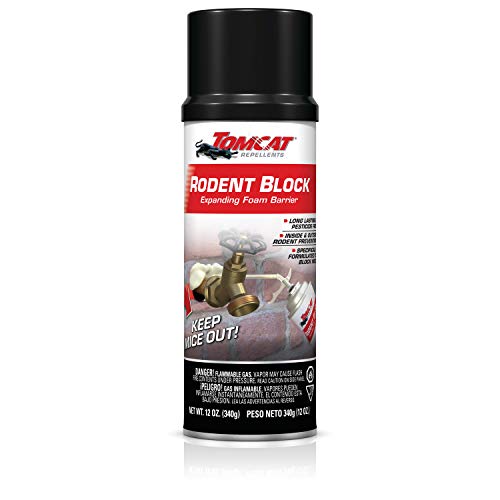
Tomcat Rodent Block Expanding Foam Barrier is designed to fill gaps and cracks to prevent mice from entering a home. The product is pesticide-free, emphasizing a non-chemical barrier approach. Its expanding foam creates a long-lasting, airtight, and water-resistant bond to a variety of building materials. This makes it suitable for interior gaps around utility penetrations, as well as exterior crevices that rodents might try to use as access points. The foam’s performance depends on proper surface preparation and masking to ensure a clean finish. Users should allow curing time as recommended by the manufacturer for maximum adhesion and durability.
Key considerations include the material compatibility (concrete, wood, drywall, masonry), the size of gaps being sealed, and the potential need for additional mechanical barriers (steel wool or hardware cloth) in larger openings. While it provides a pesticide-free solution, sealing should be part of a broader rodent control plan that includes sanitation and exclusion strategies. This product is a widely used option for homeowners seeking a straightforward foam barrier against mice.
Loctite Tite Foam Gaps & Cracks

Loctite Tite Foam Gaps & Cracks is a polyurethane expanding insulation designed to fill gaps and cracks up to one inch. Its premium formulation aims to deliver a durable, high-density foam with a uniform cell structure for strong insulation and sealing performance. The product is suited for blocking potential entry points around window frames, door jambs, baseboards, and small exterior openings where mice might squeeze through. The foam’s interaction with UV exposure and weathering is a factor for exterior use, and proper surface prep enhances adhesion. It provides a reliable barrier when applied to clean, dry surfaces.
When selecting this option, consider the size of gaps you are sealing, the indoor air quality implications of expanding foam, and the need for precise application in tight corners. The product’s density and sealing properties balance pest exclusion with long-term durability for residential settings.
Tomcat Rodent Block 12 oz 2-Pack

This 2-pack extends the same performance of Tomcat’s rodent-focused expanding foam barrier, offering two cans for broader coverage across multiple openings. The formula is designed to fill crevices where mice may hide or attempt entry and to form an airtight, water-resistant seal with common building materials. As with single cans, successful use depends on clean surfaces and correct application in crevices, gaps around pipes, and entry points in walls, basements, attics, or garages. The dual-pack option supports larger homes or areas requiring protection across several rooms.
Practically, combining this product with routine home maintenance, such as sealing attic vents and inspecting foundation gaps, improves prevention outcomes. It is a pesticide-free approach that complements other exclusion methods and sanitation practices for a comprehensive rodent control plan.
Great Stuff Smart Dispenser Pestblock

Great Stuff Smart Dispenser Pestblock combines ready-to-use foam with a reusable dispenser system designed for precision. The foam expands up to 1 inch to take the shape of gaps, creating an airtight, long-lasting seal that blocks nuisances from entering the home. This product is positioned for areas where pests commonly roam, including PVC pipe penetrations, around electrical cables, water fixtures, attic hatch frames, rim joists, and sill plates. The smart dispenser feature helps reduce mess and allows projects to be paused and resumed, which can improve control over larger sealing jobs.
Key considerations include the ease of use, the finish on interior surfaces, and the compatibility with surrounding materials. The product is useful for rapid sealing in several critical transition zones, but it may require cleanup tools to manage excess foam and ensure a clean surface after curing. For homeowners seeking a convenient, low-effort option, this product offers targeted applications with a focus on user-friendly dispensing.
Loctite Tite Foam Big Gaps

Loctite Tite Foam Big Gaps is designed for larger gaps and cracks up to 3 inches, delivering a high-density foam with durable insulation properties. Its robust structure helps prevent movement in building materials while maintaining a seal that reduces drafts, moisture, and entry points for pests. The product’s flexibility accounts for building movement, which is important in areas subject to temperature changes and settling. Applications include around doors, windows, baseboards, foundations, and larger wall penetrations where a strong barrier is needed.
When choosing this option, consider the size of the gap, the desired insulation benefit, and the potential need for multiple passes to fill wide openings. This product provides a powerful, long-lasting barrier when used as part of a broader exclusion strategy, including sealing exterior gaps and maintaining clean, pest-resistant zones around the home.
Buying Guide: Purchase Considerations And Comparisons
1. Gap Size And Seal Intensity
Measure the width and depth of gaps to determine whether a standard foam (up to 1 inch) or a big-gap option (up to 3 inches) is required. For large openings, plans may include layering foam with a secondary barrier (steel wool or mesh) for enhanced security.
2. Surface Compatibility And Materials
Assess the material types (wood, masonry, drywall, PVC, metal) to ensure the foam adheres properly. Clean, dry surfaces yield the strongest bonds. Some surfaces may require priming or masking to avoid residue on visible areas.
3. Pest Exclusion vs. Insulation
Foams serve two roles: sealing entry points and providing thermal insulation. High-density foams may offer better long-term durability, while lighter foams are often easier to apply in tight corners. Consider the balance between pest protection and energy efficiency for your home.
4. Application And Tooling
Some products come with smart dispensers or reusable kits that improve precision and reduce waste. Evaluate whether the dispensing system aligns with the scale of your project and your comfort level with handling expanding foam.
5. Safety, Safety Data And Maintenance
Follow product safety guidelines, especially around chemical odors and skin contact. Use proper personal protective equipment (gloves, eyewear) and ensure adequate ventilation where appropriate. Regular inspections after sealing help ensure the barrier remains intact over time.
6. Complementary Exclusion Measures
Foam barriers work best when paired with additional deterrents: seal on exterior gaps, repair damaged screens, install door sweeps, and maintain cleanliness to reduce attractants. A multi-pronged approach reduces the likelihood of mouse entry more effectively than foam alone.
Overall, selecting the right foam barrier involves evaluating gap sizes, surface types, and whether you need a single-use or reusable application method. Each product above offers distinct advantages—ranging from rapid, easy-to-apply blocks to high-density, long-lasting seals—that can help homeowners create a continuous barrier against mice while maintaining home comfort and energy efficiency.