Steep slopes demand sturdy erosion control solutions that protect soil, reduce runoff, and support plant growth. This guide reviews top products designed to stabilize hillsides, terrace slopes, and preserve landscape integrity. The picks emphasize durability, ease of installation, and sustainability, helping homeowners and landscapers choose the right approach for challenging terrain. Below you’ll find a concise summary table of the selected items, followed by detailed product insights and a comprehensive buying guide.
| Product | Key Benefit | |
|---|---|---|
| Hillside Planter – Set of 3 | Hillside Planter | Planting on slopes to reduce erosion and stabilize soil |
| Dirt Locker Hillside Planters – 20-Pack | Dirt Locker | DIY terracing for 25°-35° slopes |
| Decoroca Corten Steel Hillside Planter – Set of 2 | Decoroca | Durable, aesthetic slope gardening with erosion control |
| AK TRADING CO. Jute Erosion Control Fabric | AK TRADING CO. | Biodegradable soil saver with broad coverage |
| Dirt Locker Hillside Planters – 25-Pack | Dirt Locker | Large-scale slope stabilization with modular panels |
Hillside Planter — Set of (3) Erosion Control Soil Slope Stabilization
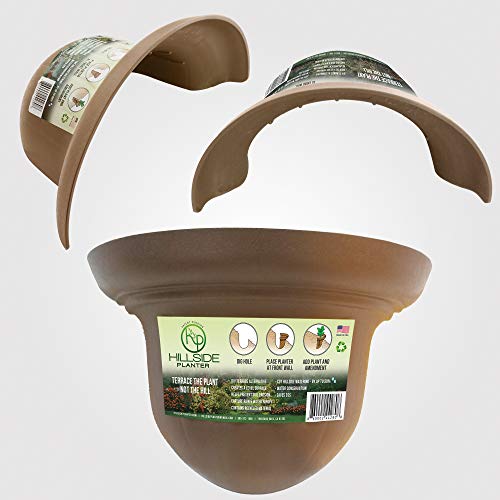
The Hillside Planter set is designed for immediate slope stabilization and erosion control. Each unit helps hold soil in place while supporting vegetation that anchors the hillside. The system emphasizes creating a level surface to improve water penetration and soil moisture retention, contributing to healthier plants and reduced runoff on steep terrains. This trio offers a cost-effective, scalable approach for small to mid-sized slopes, enabling quick installation and integration with ongoing landscaping projects.
Jute Erosion Control Fabric — 48″ Wide by 20 Yards
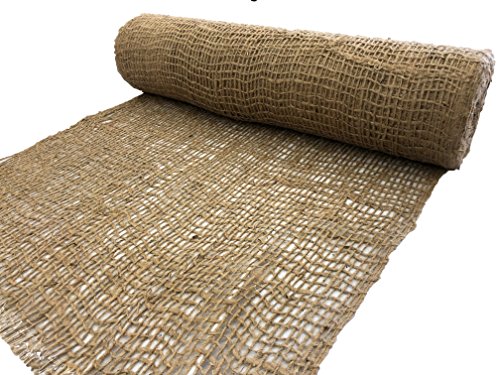
Premium jute erosion control fabric provides biodegradable protection for soil on slopes. The 48-inch width and 20-yard length cover up to about 240 square feet, delivering robust erosion mitigation while allowing natural soil processes to occur. Jute fibers help trap sediment and reduce surface runoff, making this option suitable for temporary stabilization projects or where a natural material is preferred for long-term landscape integration. It’s an environmentally friendly solution that integrates with soil without leaving persistent residues.
Dirt Locker Erosion Control Hillside Planters — 20-Pack

Transform slopes into terraced gardens with the Dirt Locker 20-pack. This DIY solution uses modular panels designed for 25°-35° inclines, enabling homeowners to create stable planting terraces with reduced erosion risk. The system is lightweight, tool-free, and easy to adapt to uneven terrain. Made in the USA from 100% recycled plastic, it combines eco-friendliness with durability for long-term slope stabilization in varied weather conditions.
Decoroca Corten Steel Hillside Planter — Set of 2

The Decoroca hillside planters use durable Corten steel to form a terrace-like garden on slopes. The design slows water flow, promotes moisture retention, and helps minimize soil displacement. This option blends functionality with a modern industrial aesthetic, supporting a wide range of plant types while providing a robust physical barrier against erosion on inclines. Its terrace-style construction makes it a practical choice for aesthetic slope gardening and erosion control alike.
Dirt Locker Hillside Planters — 25-Pack

Designed for larger-scale slope stabilization, the 25-pack Dirt Locker system provides a modular approach for mild to moderate slopes. It’s tailored for easy DIY installation, with panels that adapt to uneven terrain without requiring specialized tools. The product line emphasizes eco-friendliness through recycled materials and UV protection, supporting long-term performance in varying climates. This set is well-suited for landscaping projects that prioritize both erosion control and flexible design.
Buying Guide: Key Purchase Considerations
When selecting erosion control solutions for steep slopes, consider material, installation complexity, climate durability, and long-term maintenance. Material choice impacts soil interaction, aesthetic integration, and environmental impact. For example, jute fabrics offer natural, biodegradable erosion control, but may require replacement as they decompose, while metal or recycled-plastic terrace systems provide lasting vertical stability and reusability.
- Slope angle compatibility: Confirm the product’s recommended range (e.g., 10°–24°, 25°–35°) to ensure proper fit for your site.
- Ease of installation: DIY-friendly options reduce labor costs and time, especially for large slopes. Consider whether tools or professional assistance are needed.
- Durability and climate resilience: Weather resistance, UV protection, and material longevity affect maintenance and replacement costs.
- Environmental impact: Biodegradable materials offer eco-friendliness but may require more frequent replacement; recycled-plastic systems provide durable, sustainable options.
- Plant integration: Look for designs that accommodate root growth and moisture retention to support vegetation as a natural erosion-control method.
- Maintenance needs: Some solutions need routine inspection, trimming, or re-stabilization after heavy rains; others are low-maintenance once installed.
- Aesthetic considerations: Terraced planters and steel or composite features can complement the landscape beyond mere erosion control.
For optimal results, combine multiple approaches tailored to your slope’s conditions. A layered strategy—such as initial erosion control fabric or geogrid panels with secondary hillside planters for planting—often yields better soil stabilization and plant establishment than a single solution alone. Always verify compatibility with local climate, soil type, and expected rainfall to maximize performance over time.