Protecting nesting ducks around ponds requires sturdy, weather-resistant housing that fits natural behaviors. The following hand-picked duck houses are designed for wood ducks and other pond-dwelling species, offering durable construction, ventilation, and easy access for ducklings. This guide reviews five top picks, with practical buying considerations to help you choose the right shelter for your pond.
Summary Table
| Product | Brand | Key Benefit | Material | Mounting |
|---|---|---|---|---|
| Nalwort Duck House | Nalwort | Versatile mounting and nesting pads | Solid wood | Hanging rope or screw-in |
| Woodlink WD1 Cedar Duck House | Woodlink | Ornithologist design, easy access | Red cedar | Wall/post mounting |
| Amish Made Recycled Plastic Wood Duck House | BestNest | Eco-friendly, rot-proof | Recycled plastic lumber | Tree/post mount |
| BalterFF Duck Houses | BalterFF | Packed with ventilation and safety features | Wood (board) | Outdoor cabinet style |
| Cypress Wood Duck Nesting Box | Forestry Suppliers | Cypress durability for wet habitats | Cypress wood | Ground/tree mount |
Nalwort Duck House For Outdoor Ponds
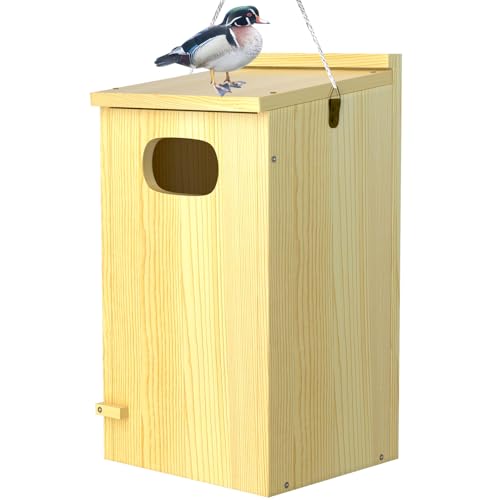
The Nalwort duck house provides flexible mounting options to suit various pond surroundings. It ships with a sturdy hanging rope and pre-drilled holes for screw installation, enabling both hanging from a branch or secure tree trunk mounting. Inside, the box includes nesting pads made from breathable materials, creating a comfortable, inviting space for ducks to nest. The enclosure is crafted from untreated solid wood, chosen for its natural feel and outdoor resilience, making it suitable for wetland settings and species that prefer tree-nesting habitats.
Key deployment tips:
- Position near water with moderate shade to encourage natural nesting behavior.
- Ensure adequate ventilation to prevent moisture buildup.
- Regularly inspect and refresh nesting pads to keep the interior inviting.
Woodlink WD1 Cedar Duck House, 1

The Woodlink WD1 introduces a classic ornithological design using kiln-dried inland red cedar with chromate screws for durable assembly. It features a 4×3-inch oval entry hole that facilitates access for ducks while providing a safe, enclosed nesting site. The front opens easily for nest checks and cleaning, helping landowners maintain a healthy habitat for wood ducks and other species common to wetlands and marshes.
Key deployment tips:
- Choose sheltered sites to reduce wind exposure while maintaining good air flow.
- Use the easy-open front to periodically inspect the nest without disturbing occupants.
Amish Made Recycled Plastic Wood Duck House

This eco-friendly option blends wood-like aesthetics with the durability of recycled plastic lumber. It is designed to attract wood ducks, offering a spacious nesting box that combines natural design cues with robust performance. The American-made craftsmanship from skilled Amish artisans emphasizes long-lasting construction and a clean, rot-resistant habitat for pond-dwelling birds. The plastic-lumber frame resists weathering, reducing maintenance needs over time.
Key deployment tips:
- Consider tree or post mounting to raise the box above moisture and ground predators.
- Regularly check for wear and clean the interior to maintain nesting hygiene.
BalterFF Duck Houses For Outside

The BalterFF nesting box emphasizes practical safety and ventilation. It features a built-in hardware cloth ladder for ducklings to climb out after hatching, ensuring a safe exit route. Vent holes and a space gap above the front panel promote air circulation, while drain holes help manage moisture. A predator guard and a 4×3 inch oval entrance hole are included to deter intruders while welcoming nesting activity in a controlled, pond-adjacent environment.
Key deployment tips:
- Install with predator deterrents in accessible yet protected locations.
- Ensure drainage paths remain unobstructed during heavy rainfall.
Cypress Wood Duck Nesting Box

Constructed from Cypress wood, this nesting box is built for durability in wet environments and is proudly made in the USA. Its 24″ x 11″ x 12″ footprint accommodates larger wood duck species, with a 4″ wide oval entrance that aligns with preferred dimensions for North American ducks. Cypress wood provides natural resistance to decay and moisture, helping ensure a long service life even under damp pondside conditions.
Key deployment tips:
- Mount or place the box where it receives some sun exposure without direct midday heat buildup.
- Inspect the enclosure for moisture ingress and treat or seal as needed to extend life.
Buying Guide: Key Purchase Considerations And Comparisons
When selecting a duck house for ponds, consider these factors to maximize nesting success and durability:
- Size and entrance dimensions: Match the box interior to target species; oval entries around 3×4 inches accommodate many wood ducks and mergansers, while larger options may suit different local wood duck populations.
- Material and durability: Natural woods like cedar or Cypress offer aesthetic appeal and rot resistance, while recycled plastic options minimize maintenance and weathering concerns.
- Ventilation and drainage: Adequate vents and drainage holes prevent moisture buildup, reducing the risk of mold and nest abandonment.
- Mounting options: Choose hanging, post, or tree-mounted designs based on your pond layout and predator access. Accessible mounting can also facilitate cleaning and monitoring.
- Predator protection: Integrated predator guards or sturdy construction help protect eggs and ducklings from common threats around pond edges.
- Maintenance needs: Boxes with easy-open fronts or removable interior components simplify cleaning and seasonal checks, increasing long-term viability.
- Local species compatibility: Some boxes are designed for specific species like wood ducks and hooded mergansers; verify that the product suits your local waterfowl.
Additional considerations for pond environments:
- Shade and sun exposure: Balanced light helps regulate nesting temperatures and reduces hatchling stress.
- Elevation and water proximity: Elevating boxes slightly above water reduces flooding risk during heavy rains while keeping ducks within easy reach of the pond.
- Placement timing: Install nesting boxes ahead of the breeding season to allow ducks to discover and choose suitable sites.
Across the options reviewed, users can choose between traditional wooden designs, durable cedar constructions, and eco-friendly recycled-plastic models. Each option offers practical nesting features, with varying mounting flexibility and maintenance needs. The best choice depends on your pond’s location, predator pressure, maintenance plans, and environmental preferences. Selecting a model that supports easy access for cleaning, sufficient ventilation, and safe duckling exit pathways will support successful, natural pond nesting.