Zero-turn mowers are prized for their precision and speed, but they often need a heavy-duty dethatcher to maintain thick thatch layers. The following dethatchers are designed to pull behind riding mowers, ATVs, or a zero-turn setup, delivering deeper penetration, wider coverage, and easier lawn care. This guide highlights five well-regarded options, with practical insights to help you choose the best fit for your yard size and terrain.
| Product | Width | Tine Type | Best For |
|---|---|---|---|
| Agri-Fab 45-0295 48in Tow Behind Dethatcher | 48 in | 24 Spring Steel Tines | Medium to large lawns |
| Brinly DT-480BH-A 48″ Tow Behind Dethatcher | 48 in | 2 Rows of 12 Flexing Tines | Large yards, quick delathing |
| Suchtale 48inch Tow Behind Dethatcher | 48 in | 40 spring tines (2 rows of 10) | Heavy thatch, durable build |
| VEVOR Tow Behind Dethatcher 48″ | 48 in | 24 Steel Tines | ATV or mower compatibility |
| BlumeTrec 40 Inch Tow Behind Dethatcher | 40 in | 20 Spring Tines | Medium yards, easy mounting |
Note: All products listed are designed to be pulled behind riding mowers or ATVs and are intended to help remove thatch, improve aeration, and promote healthier lawn growth. Each option varies in width, tine count, and construction materials, so consider your lawn size, mower compatibility, and storage capabilities when choosing.
Agri-Fab 45-0295 48in Tow Behind Dethatcher
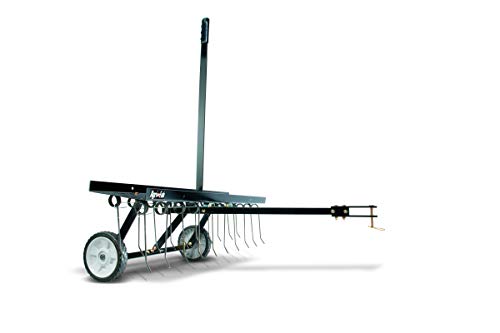
Overview: This 48″ dethatcher from Agri-Fab uses 24 durable spring steel tines to uproot dead, matted grass and dislodge hard-packed dirt. It is designed for attachment to lawn and garden tractors, delivering a wide debris collection swath while pulling thatch up for mowing or mulching. The unit is noted for bulkier thatch removal and robust construction, suitable for mid-to-large lawns where rapid coverage matters.
Key Features: Made in the USA, 24 spring tines for efficient thatch removal, 48″ working width for broad coverage, penetrates dried grass and soil. The attachment pulls dirt and thatch up from a wide swath, helping to rejuvenate soil surface and prepare for reseeding or overseeding.
Usage Considerations: Ensure hitch compatibility with your zero-turn or mower setup. Check the weight and lifting requirements, as a 48″ dethatcher can add significant load during operation. Regular maintenance of tines and frame helps sustain performance over seasons.
Agri-Fab 45-0294 40in Tow Behind Dethatcher
Overview: A 40″ model designed for smaller or mid-sized lawns, featuring 20 durable spring steel tines. This dethatcher aims to uproot thatch and remobilize soil without the bulk of larger units, making it a practical option for riders with limited storage space or narrower mowing paths.
Key Features: 20 spring tines, 40″ working width, USA-made components, effective thatch removal, penetrates dried grass and soil. Designed to pair with lawn and garden tractors for efficient dethatching across moderate areas.
Usage Considerations: For best results, operate at a steady pace across the lawn to ensure even thatch lifting. Inspect tines for wear and replace as needed to maintain thorough coverage. Ideal for maintenance cycles between heavy feeding or overseeding projects.
Brinly DT-480BH-A 48″ Tow Behind Dethatcher

Overview: Brinly’s 48″ dethatcher uses two rows of 12 independent, flexing spring steel tines to comb the lawn and lift thatch, improving air flow and root accessibility. Its all-steel construction and durable design emphasize longevity and performance for larger lawns.
Key Features: 48″ working width with 2 rows of 12 tines, separate tine flexing action to maximize lift, corrosion-resistant construction, safety rod included to guard mower blades in unlikely breakage scenarios. No reliance on rubber-tread wheels enhances durability.
Usage Considerations: The wide head makes it efficient for big lawns, but ensure your tractor or mower can handle the weight and tug. Regularly check tine integrity and bend resistance, especially on rough terrain or rocky soils.
Suchtale 48inch Tow Behind Dethatcher

Overview: Suchtale’s 48″ tow-behind dethatcher features a 70 lb ballast platform and 40 spring tines (2 rows of 10) designed to aggressively remove thatch and lift soil for deeper penetration. The unit emphasizes durability with rust-proof, heat-treated springs and a track wheel system to minimize lawn interference.
Key Features: 2 rows of 10 independently flexing tines per row (40 total), replaceable and rust-proof tines, heavy-duty steel frame, wheels with bearings for load-bearing stability, 70 lb ballast platform for effective depth control.
Usage Considerations: Fall and early spring dethatching are common best windows. After use, clean away soil to prevent buildup. Verify hitch compatibility and wheel track clearance for your mowing path to avoid obstacles.
Suchtale 24-Tine Tow Behind Dethatcher

Overview: This variant from Suchtale brings 24 spring tines across a 48″ width designed to lift thatch while minimizing turf damage. The two-row layout provides balanced thatch removal on larger plots, with replaceable, heat-treated tines for extended life.
Key Features: 24 spring tines, rust-proof and replaceable, 70 lb ballast tray enhances penetration, adjustable and easy to attach, wheels with bearings to help preserve lawn integrity during transit.
Usage Considerations: Suitable for mid-to-large lawns where a broader dethatching pass is desirable. Periodic tine inspection and replacement keep efficiency high across seasons.
VEVOR Tow Behind Dethatcher (48″)

Overview: The VEVOR dethatcher focuses on efficient weed and debris removal with a robust 24-tine steel configuration and a wider 48″ working width. It’s designed for compatibility with ATVs or mowers, enabling flexible attachment to various power units for broader lawn care tasks.
Key Features: 24 sturdy steel tines, heat-treated for durability, welded connections for deformation resistance, wide 1.18″ pin spacing for easy attachment to ATVs or mowers, dependable performance across different terrains.
Usage Considerations: Confirm compatibility with your machine’s hitch and lifting capabilities. Regularly check tine health and replace worn components promptly to sustain dethatching effectiveness over time.
Buying Guide: Key Purchase Considerations
- Working width: Wider dethatchers cover more ground but require a mower with sufficient power and stability. For larger lawns, 48″ models are common; smaller lawns may benefit from 40″ variants.
- Tine construction: Spring steel tines are standard and effective. Look for heat-treated or rust-proof tines for longevity, and assess whether tines are replaceable to reduce long-term costs.
- Two-row vs. multi-row: Two-row designs often balance depth and turf safety, while more rows can increase thatch removal but require more power and control.
- Weight and ballast: Some models include ballast trays to improve penetration. Heavier dethatchers can better loosen dense thatch but demand stronger towing capability from the mower or ATV.
- Durability and warranty: All-steel construction typically withstands rough terrain. Check warranties or customer support options for parts like tines, safety rods, and wheels.
- Attachment and compatibility: Verify hitch type, pin spacing, and mounting scheme with your zero-turn or companion equipment. Ensure that the tow-behind unit won’t interfere with mower blades or tires.
- Usage timing: Early fall or spring dethatching often yields best results, allowing better air, water, and nutrient penetration before regrowth seasons.
- Maintenance: Regular cleaning of soil residues, inspection of tines for wear, and timely replacement ensure consistent performance and lawn safety.
When selecting a dethatcher for a zero-turn or other riding mower, assess yard size, turf density, and mowing patterns. A wider unit with durable tines accelerates dethatching on large properties, while a lighter, narrower model can be preferable for smaller yards or for users who prioritize maneuverability. Regardless of choice, proper attachment, operation, and maintenance are essential to protecting your lawn and achieving healthy growth after dethatching.