Protecting garden plants from deer and other roaming animals requires a mix of sturdy materials, appropriate mesh sizing, and practical installation. The following selections cover large-scale nets, deterrent sprays, mesh cages, and ultra-fine bags to fit different garden layouts and climates. Each option emphasizes durability, ease of use, and plant safety, helping American gardeners minimize damage while maintaining healthy growth.
| Product | Type | Recommended Use |
|---|---|---|
| Feitore Deer Fence Netting | Polypropylene Net | Fruit trees, vegetables, shrubs |
| Liquid Fence Deer & Rabbit Repellent | Spray Repellent | Ornamentals, shrubs, vines |
| I Must Garden Deer Repellent: Mint Scent | Spray Repellent | Perennials, annuals, vegetables |
| Codree Deer Netting for Shrubs | Fabric Mesh Netting | Undershrub protection, frost care |
| Evoio Bird Netting Bags | Drawstring Net Bags | Fruit trees, berries, shrubs |
Note: All products are selected for broad deer deterrence and plant safety, with a focus on durability, ease of use, and practical installation across American gardens.
Feitore Deer Fence Netting
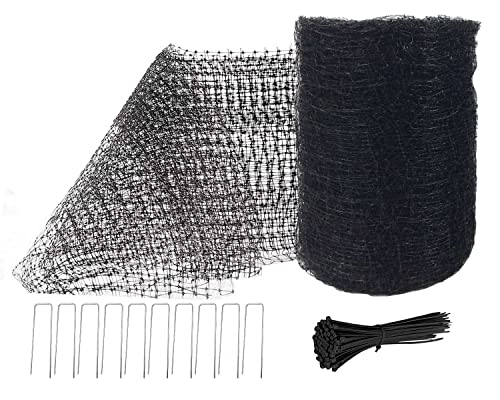
Feitore’s deer fence netting offers a 7 feet by 100 feet roll with a 3/4 inch square mesh. Made from durable polypropylene, it’s lightweight yet tough enough to resist tearing, rust, and rot. The kit includes 10 installation nails and 50 cable ties for quick setup, making it suitable for securing large plantings like fruit trees or vegetable beds. The mesh is designed to deter deer and other small animals without harming wildlife or restricting plant growth.
Best used for extended perimeter protection or around individual shrubs, the Feitore netting balances sturdy protection with practical reusability. It’s adaptable for bird prevention and other garden pests, and its color blends into most landscapes.
Liquid Fence Deer & Rabbit Repellent Ready-to-Use

Liquid Fence provides a ready-to-use 32-ounce spray that deters deer and rabbits through scent. The formula emphasizes rapid action and rain resistance, enabling farmers and homeowners to treat ornamental gardens, flowers, shrubs, trees, and vines. It’s designed to be safe for plants while leveraging natural scents to discourage browsing, making it a practical option for reapplication after rainfall or irrigation cycles.
For broad landscape protection, this spray is especially helpful in perimeter planting zones and around newly planted areas where deer pressure is high. Consistent reapplication may maintain effectiveness through seasonal changes and feeding patterns.
I Must Garden Deer Repellent: Mint Scent

I Must Garden’s deer repellents are trusted by professionals and feature a mint-based scent designed to irritate deer’s sense of smell. The formula claims to be naturally stronger, combining active plant-based ingredients with botanical oils to deter grazing. It is marketed as safe for a wide range of plants, including perennials, annuals, shrubs, and vegetables, and aims to provide long-lasting protection with careful application.
This option is well-suited for ornamental borders and vegetable beds where deer pressure is persistent. Mint-scent repellents can be more pleasant for gardeners than harsher chemical scents, though efficacy may vary by deer population and weather conditions.
YEXEXINM 18 Pcs Metal Plant Protectors

This set includes 18 square metal plant protection cages with ground stakes and nylon ties, designed to deter a range of animals while safeguarding seedlings and small plants. Each cage, about 12 inches in diameter and 24 inches tall, uses vinyl-coated wire to resist wind, rain, and corrosion. The fine mesh still allows light and air to reach plants, ensuring healthy growth while creating a physical barrier.
Ideal for protecting herb beds, young shrubs, or delicate perennials, these cages offer quick assembly and a modular approach to garden protection. Durability and ease of reuse make them a dependable long-term solution for variable wildlife pressure.
Dukelai Deer Netting Cloche

The Dukelai package provides 10 pieces of plant protectors with fixings, designed to guard potted plants, strawberries, and saplings from deer and other small animals. The covers use a 9×9 inch square framework with PVC-coated metal and a user-friendly drawstring or adjustable closure. The design focuses on ease of use, portability, and reusability across seasons.
For smaller plantings or container gardens, these cloches offer targeted protection with minimal impact on plant development. The combination of lightweight materials and practical closure mechanisms makes them suitable for temporary use during peak wildlife activity.
Codree Deer Netting For Shrubs

The Codree netting covers shrubs with a 7.8 by 7.8-foot footprint, designed to be easily tightened with a built-in drawstring. Constructed from breathable, non-woven fabric, it allows sunlight and air to reach plants while shielding them from deer, birds, rabbits, and other intruders. The lightweight material is weather-resistant and designed to fit a variety of shrub sizes.
Best used for mid-season protection of ornamental shrubs and small trees, especially where frost or heavy snowfall might influence coverage. The drawstring feature helps maintain a snug fit as plants grow, reducing gaps that deer could exploit.
Buying Guide: Key Purchase Considerations
- Protection Type: Physical barriers (nets, cages, cloches) prevent direct damage, while repellents offer odor-based deterrence. Mixing approaches can provide layered protection for high deer pressure areas.
- Mesh Size and Material: Smaller mesh (1/4 to 1/2 inch) deters smaller critters but may restrict airflow. Polypropylene and vinyl-coated metal offer durability and weather resistance, with metal guarding against tearing.
- Coverage Area: Choose nets or cages large enough to cover entire plantings or individual specimens. Perimeter protection benefits from long runs of netting; cages work well for lightweight, tall plants.
- Installation and Reusability: Look for drawstrings, ties, or stakes that simplify setup. Reusable products save money over time and reduce waste.
- Plant Safety and Growth: Ensure materials don’t abrade stems or shade plants excessively. Airflow and sunlight should reach foliage to avoid microclimate issues.
- Weather Tolerance: Ultraviolet-stable fabrics and rust-resistant metal extend the life of protective gear in sun and rain.
- Maintenance: Some deterrents require reapplication after rain; nets and cages may need occasional adjustment to maintain fit as plants grow.
- Cost vs. Coverage: Large-area netting is cost-effective for big plantings, while compact cages suit container gardens or individual shrubs.
For best results, assess your garden layout, deer activity level, and climate. A combination approach—physical barriers for vulnerable crops plus odor deterrents in surrounding beds—often yields the most reliable protection without compromising plant health.