Gardeners seeking flavorful, sun-loving melons will find plenty of reliable cantaloupe seeds in this guide. The selections below focus on well-known heirloom and non-GMO options with solid germination, clear maturation timelines, and strong, netted fruits. Whether you’re starting a home garden or expanding a small patch, these cantaloupe seed choices are vetted for American climates and backyard growing. Read on to compare features, growth expectations, and planting cues to help you choose the best seeds for your season.
| Product | Brand | Notes |
|---|---|---|
| Burpee Ambrosia Cantaloupe Melon Seeds | Burpee | Top-seller, large flesh, ~5 lb melons, 86 days |
| Organic Cantaloupe Seeds (Hales Best Jumbo) | Purely Organic Products LLC | USDA Organic, non-GMO, open-pollinated |
| 50 Hales Best Jumbo Cantaloupe Seeds | Instant Latch | Non-GMO, heirloom style |
| HOME GROWN Melon Variety Pack | HOME GROWN | Five melon varieties, high germination |
| Cantaloupe Seeds for Planting – 20+ | Wivolibe | Non-GMO, sweet, early maturity |
Burpee Ambrosia Cantaloupe Melon Seeds
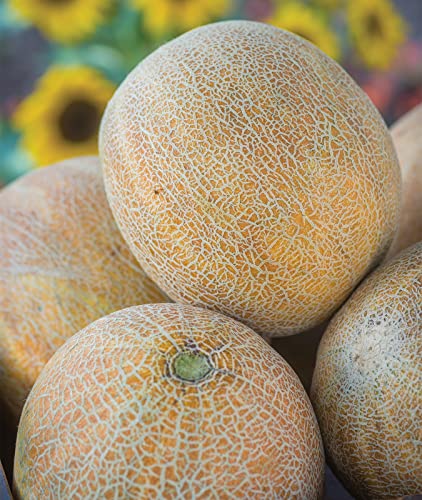
The Burpee Ambrosia cantaloupe is described as a top-selling variety for more than two decades. It is valued for thick, firm flesh with sweetness that carries to the rind, creating a satisfying bite from each 6-inch fruit that typically weighs around 5 pounds. Each packet contains 30 seeds, making it convenient for gardeners planning multiple beds or successive plantings. Plant outdoors about four weeks after the last expected frost and anticipate harvest in roughly 86 days. The variety aims to deliver reliable yields and a classic cantaloupe flavor profile that many home cooks prefer.
Growing implications: Ambrosia tends to perform best in full sun with well-drained soil rich in organic matter. Space plants adequately to allow air flow, which helps limit disease pressure. For best results, use a trellis or support system if you’re growing in a smaller space, and keep irrigation consistent to maintain even fruit development. Gardeners should monitor the vines for mature fruit cues and harvest when aromas become pronounced and the rind shows pale yellow coloration.
Organic Cantaloupe Seeds (Hales Best Jumbo)
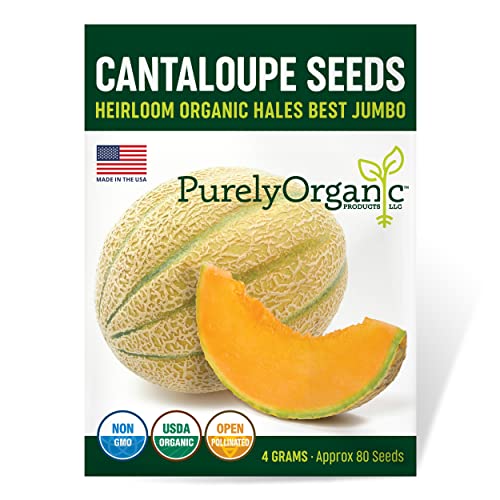
This Organic Cantaloupe set features Hales Best Jumbo, recognized for producing large, ribbed melons with bright orange, exceptionally sweet flesh. The seeds are USDA Organic, Non-GMO, and open-pollinated, offering farmers and home gardeners a classic cultivar with reliable performance. The seed lot is described as freshly packed for the current growing season, which helps support strong germination rates in subsequent seasons as well. Proper ripening cues include a fruity aroma and a change in rind color from green to golden yellow, signaling readiness for harvest.
Growing implications: Hales Best Jumbo thrives in full sun with warm temperatures. Soil should be well-drained and consistently moist during fruit development. Harvest early to prevent overripening and bruising, and store harvested fruit promptly to preserve flavor. Since the variety is open-pollinated, saving seeds from the best fruit can be an option for future seasons, though germination rates can vary year to year.
50 Hales Best Jumbo Cantaloupe Seeds
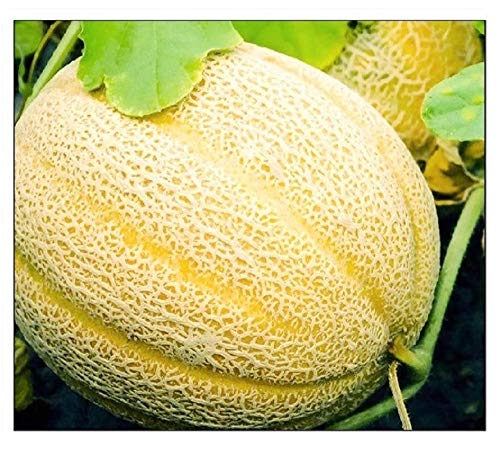
This listing offers 50 seeds of Hales Best Jumbo cantaloupe, described as non-GMO and heirloom-style. The Hales Best family is a longstanding option among home gardeners for repeatable results in summer gardens. The product notes emphasize the typical size (up to about 5 pounds) and the classic experience of growing a traditional cantaloupe with orange flesh and a pronounced sweetness. Users should expect a 90-day maturation timeline under favorable conditions and place emphasis on full sun and steady soil moisture.
Growing implications: For best results, provide full sun and warm soil, particularly in late spring and early summer. Spacing should accommodate ample air flow to minimize disease pressure. This seed quantity is suitable for gardeners who want to plant in multiple beds or run successive plantings to extend harvest windows. Consider mulching to conserve soil moisture and to reduce weed competition while the vines are tender.
HOME GROWN Melon Variety Pack
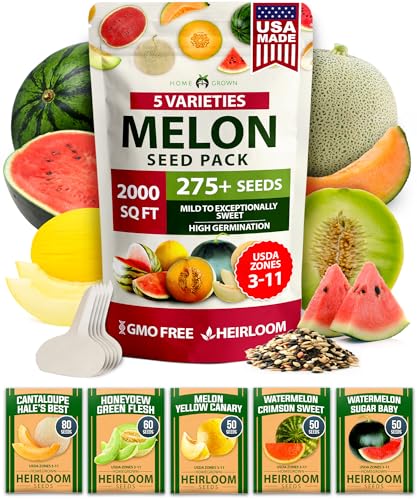
The HOME GROWN selection includes five melon varieties—crimson sweet watermelon, green flesh honeydew, Hales Best cantaloupe, Sugar Baby watermelon, and Yellow Canary melon. With over 200 seeds, this pack is designed for diverse melon production and multiple harvests. The product emphasizes high germination and the flexibility to grow melons indoors or outdoors, making it suitable for a variety of garden layouts, from traditional in-ground beds to container-friendly setups. The pack’s breadth supports gardeners who want to explore flavors and textures across the melon family.
Growing implications: The varied mix allows experimentation with different growing conditions; some melons may require more space and sun than others. Use supportive trellising for trailing vines and implement consistent irrigation to ensure even fruit development. This option is particularly useful for new gardeners who want to compare growth patterns and sweetness profiles across cultivars while building confidence in melon cultivation.
Cantaloupe Seeds For Planting – 20+ Non GMO Heirloom

This selection emphasizes non-GMO, heirloom cantaloupe seeds with a promise of large, netted fruit and strong aroma. The listing notes a high-yielding profile with early maturity, making it suitable for gardeners who want to secure an earlier harvest window. The flesh is described as sweet and aromatic, ideal for fresh eating, salads, and smoothies. The seeds are positioned for home garden success with practical notes on flavor, texture, and fruit quality.
Growing implications: Heirloom varieties can bring distinctive flavor profiles, though germination and vigor can vary with seed lot age. Ensure warm soil, full sun, and consistent moisture. Consider succession planting every couple of weeks to extend the harvest period and stagger fruit ripening. Save seeds from the best fruit only if you’re continuing an open-pollinated line, and label each variety to avoid cross-pollination mishaps in adjacent beds.
Buying Guide: Key Purchase Considerations For Cantaloupe Seeds
- Seed type and goals: Choose heirloom or open-pollinated varieties if you want to save seeds and preserve flavor profiles. Non-GMO selections are common and can offer reliable performance for home gardens.
- Growing conditions: Cantaloupes require full sun, warm soil, and consistent moisture. Ensure your garden has good drainage and ample space for vines to spread or trellis if space is limited.
- Harvest timing: Look for maturation days (e.g., 86–90 days) to plan staggered planting and management. Early varieties can fit shorter growing seasons, while late-maturing types maximize flavor.
- Seed quantity and setup: Seed packets range from 20–50 seeds per pack. For larger plots, packs with multiple varieties can support crop diversity; for small spaces, prioritize single-variety packs with strong germination.
- Flavor and texture: Varieties differ in sweetness, aroma, and flesh color. Hales Best Jumbo and Ambrosia are noted for rich orange flesh and classic cantaloupe flavors, while some mixes offer a broader tasting experience across melons.
- Storage and germination: Freshly packed seeds tend to germinate well. Store seeds in a cool, dry place to maintain viability for subsequent seasons. Heirloom and organic seeds may require careful handling to maximize germination rates.
- Disease resistance and climate fit: Consider local climate and disease pressures. Some varieties tolerate heat better or resist common vine diseases. Use mulch and proper spacing to reduce soil-borne issues and promote air flow.
Across these selections, the goal is to balance flavor, maturation timeline, and space requirements. Gardeners in the United States will benefit from choosing well-adapted varieties that suit their region, from temperate zones with cooler springs to warmer southern climates where melons can ripen quickly. When planning, align seed type with your seed-saving intentions, garden size, and preferred harvest window to optimize your cantaloupe yield and enjoyably sweet fruit.