Stone dust and mineral amendments can improve soil structure, supply trace minerals, and aid root health. This article reviews five reliable options, explaining how each supports different plant types and growing conditions. Use the buying guide at the end to compare particle size, mineral content, and suitability for your garden or potted plants.
| Product | Brand | Key Benefit |
|---|---|---|
| Gaia Green Basalt Rock Dust, 2 kg | Gaia Green | Natural minerals including trace elements |
| GARDENWISE Horticultural Pumice | GARDENWISE | Excellent drainage and aeration |
| Sukh Horticultural Pumice Stone | Sukh | Ready-to-use aeration and drainage |
| Basalt Dust (4 LB) | Walt’s Organic Fertilizer Co. | Strengthens cell walls and drought tolerance |
| Greenway Biotech Azomite Rock Dust 2 Lbs | Greenway Biotech, Inc. | 70+ trace minerals for soil health |
Gaia Green Basalt Rock Dust, 2 kg

Gaia Green Basalt Rock Dust provides a natural mineral source for soils, delivering trace elements essential for plant growth. Basalt rock dust can contribute to long-term soil fertility without synthetic additives. This 2 kg bag is suitable for home gardens and container plantings, supporting a broad spectrum of species by gradually releasing minerals as soils mineralize. Its mineral profile helps in building soil structure and providing micronutrients that support robust root development.
GARDENWISE Horticultural Pumice for Plants
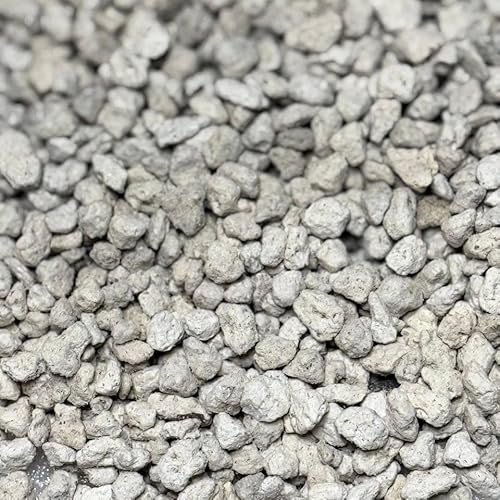
GARDENWISE Horticultural Pumice is a natural amendment designed to improve soil drainage and root health. The 3/8-1/4 inch size is ideal for succulent soils, cactus mixes, bonsai soil, and indoor potting blends. It’s 100% natural and made in the USA, offering a safe, non-toxic option for organic gardening. By enhancing aeration, pumice reduces compaction and helps prevent overwatering, supporting healthier, more resilient root systems across a range of plants.
Sukh Horticultural Pumice Stone

Sukh Horticultural Pumice Stone offers a ready-to-use 410-gram bag with uniform 5-10 mm particles. It enhances soil porosity and prevents waterlogging, making it well-suited for succulents, orchids, bonsai, and other plants sensitive to overwatering. The stones are lightweight for easy handling and can be used in potted plants, terrariums, or hydroponic setups. This product provides reliable drainage and helps maintain healthy root growth over time.
Basalt Dust (4 LB)
Basalt Dust from Walt’s Organic Fertilizer Co. contributes to stronger cell walls and improved drought and salt tolerance in plants. This basalt dust can be mixed into soil or potting mixes to provide a mineral-rich boost that supports structural integrity and resilience, particularly in outdoor beds or drought-prone climates. Its mineral content can complement other soil amendments by expanding the available micronutrients for a broad range of species.
3lb Maifanitum Stones for Succulent Cactus Bonsai

3lb Maifanitum Stones are decorative, 100% natural stones used for terrariums, succulents, or top dressing. They feature a breathability-friendly structure and can balance soil moisture when used as a surface layer. While primarily decorative, these stones can contribute to soil porosity and microclimate stabilization in small container projects, especially where visual appeal and light drainage enhancement are desired.
Greenway Biotech Azomite Rock Dust, 1 Pound
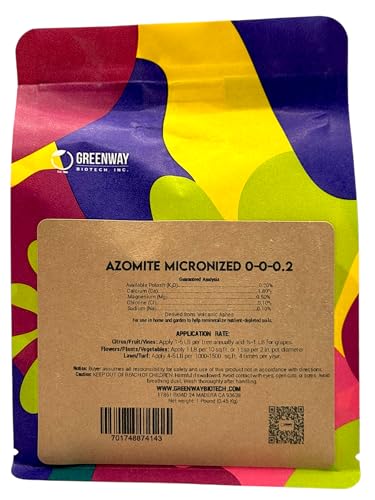
Azomite Rock Dust provides a broad spectrum of approximately 70 trace minerals and micro-minerals. Packaged in a resealable bag, this organic source of micronutrients is soil-friendly and intended to improve plant immunity and overall vigor. Its mineral content, including soluble potash, calcium, and magnesium, supports root development and crop yield potential for garden vegetables, ornamental plants, and field crops alike.
Greenway Biotech Azomite Rock Dust, 2 Pounds
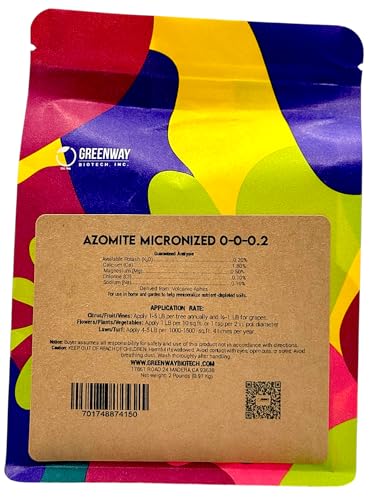
This larger 2-pound option offers the same broad mineral spectrum as the 1-pound variant, providing extended supply for larger gardens or multiple pots. Azomite contains over 70 micronutrients, including calcium and magnesium, to support robust root systems and plant vigor. It’s especially beneficial for vegetable gardens, ornamental beds, and soils that may lack trace minerals inherent to mineral-rich substrates.
Buying Guide: Stone Dust And Mineral Amendments For Plants
- Mineral content: Basalt and azomite provide broad mineral profiles. Basalt dust emphasizes trace elements and soil mineralization, while azomite focuses on a wide range of trace minerals that support immunity and vigor.
- Particle size and texture: Pumice and larger-grain stones enhance drainage and aeration, reducing root rot risk in containers. Fine powders help with uniform distribution in soil mixes but may alter texture less visibly.
- Soil compatibility: Dry climates and drought-prone zones benefit from dusts that improve water retention and root resilience, whereas well-draining mixes benefit from pumice and gravel-like amendments.
- Organic vs. synthetic: Most options listed are natural minerals and inert materials; they can be used in organic potting and soil amendments. Check local guidelines for organic certification if needed.
- Application rate: Start with a light incorporation (about 1-2 cups per square foot in garden beds or per pot) and adjust based on plant response and soil tests. Re-apply per season or growth phase as needed.
- Plant type considerations: Succulents and cacti favor well-drained media with pumice or gravel. Leafy greens and vegetables with nutrient-demanding roots may benefit from azomite’s trace minerals for soil fertility.
- Storage and handling: Keep contents in sealed bags or containers to prevent moisture exposure. Label batches with application dates to track long-term soil mineralization progress.