Dealing with spider mites on indoor plants requires an effective, safe spray. The right product can control mites, prevent outbreaks, and protect plant health without harming people, pets, or pollinators. This guide highlights five trusted options, plus practical buying tips to help you choose based on plant type, indoor environment, and pest severity.
| Product | Brand | Type | Highlights |
|---|---|---|---|
| Bonide Captain Jack’s Neem Oil, 32 oz Ready-to-Use Spray | Bonide | Fungicide / Miticide / Insecticide | Multi-purpose, ready-to-use, kills all life stages |
| Grower’s Ally Spider Mite Spray | Grower’s Ally | Botanical miticide / insecticide | OMRI Listed, no residual solvents, natural oils |
| Bonide Insecticidal Soap, 32 oz | Bonide | Insecticidal soap | Direct-contact insect control, versatile use |
| BioAdvanced Houseplant Insect & Mite Control, 24 oz | BioAdvanced | Insect & mite control | Contact kill on mites and pests, indoor use |
| Earth’s Ally 3-in-1 Plant Spray | Earth’s Ally | Insecticide / Miticide / Fungicide | OMRI Listed, safe for indoor/outdoor use |
Note: The following selections emphasize mite control for indoor plants, with options ranging from neem-based and botanical sprays to soap-based formulas. All choose formulations intended for indoor use and organic-friendly gardens where possible.
When selecting, consider how your plants respond to oils, soaps, and essential oils—some houseplants are sensitive to direct spraying on new growth or blooms. Always follow label directions, test on a small leaf area first, and apply during cooler parts of the day to minimize leaf burn. For persistent infestations, rotate products to prevent pest resistance and to maintain broad-spectrum protection for your indoor garden.
Product Details
Bonide Captain Jack’s Neem Oil
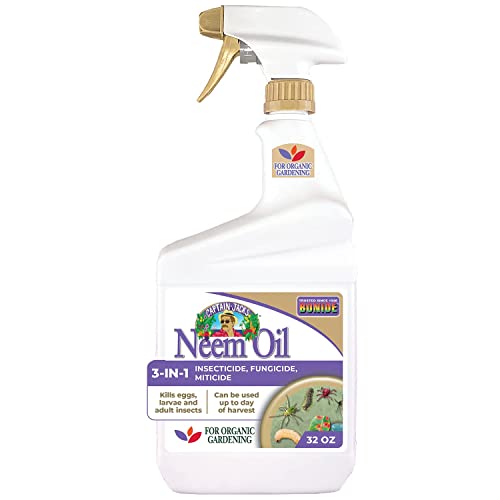
Neem oil acts as a multi-purpose solution that targets mites at all life stages. This 32-ounce ready-to-use spray is designed for organic gardening and can be used up to harvest, making it suitable for edible indoor plants as well. The product combines fungicidal, miticidal, and insecticidal properties in one formulation, simplifying care routines for busy households. The spray nozzle enables easy coverage of foliage and stems, including densely packed indoor plant collections. Neem oil helps suppress mite populations while also protecting leaves from fungal issues.
Key features include its broad pest-killing scope and convenience of use. As a miticide and insecticide, Captain Jack’s Neem Oil helps interrupt the life cycle of mites, reducing reinfestation risk when used as part of a regular maintenance plan. Users should apply evenly, avoiding direct application on scorching sunlit foliage, and reapply according to label directions for ongoing protection.
Grower’s Ally Spider Mite Spray
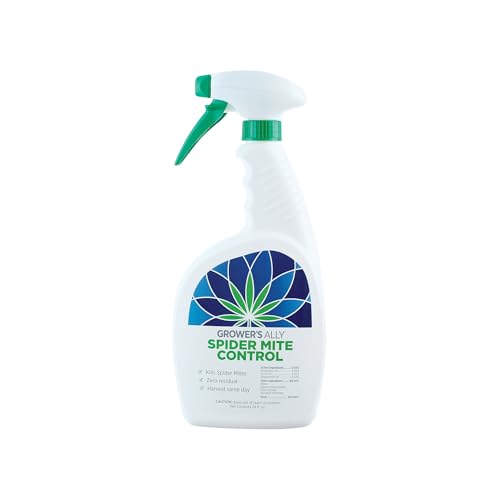
This spray uses a botanical blend to kill and deter mites on contact. Formulated with rosemary, clove, and peppermint oils, it is FIFRA 25(b) exempt and OMRI Listed for organic gardening. It emphasizes a residue-free profile, making it attractive for homes with pets or children. It not only kills adult mites but also helps repel potential new infestations when used preventatively. The formula is designed to be safe for bees, though direct application to flowers should be approached with care to minimize stress to pollinators.
Its strengths lie in low residue and compatibility with organic gardening standards. The essential oil blend may provide a pleasant aroma during application, but users should observe plant sensitivity—spray to cover the undersides of leaves where mites often reside. For best results, treat early in an infestation and reapply as directed to prevent resurgence.
Bonide Insecticidal Soap
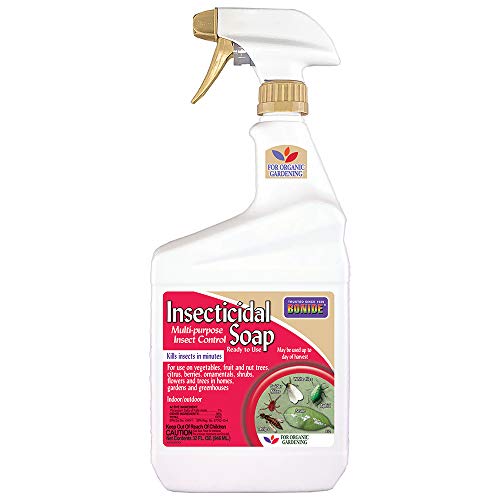
Insecticidal soap products provide direct-contact control against a range of soft-bodied pests, including spider mites. This ready-to-use 32-ounce spray is designed for outdoor or indoor use in various garden settings and can be applied to artichokes, berries, herbs, and ornamentals. The spray works by disrupting cell membranes of pests upon contact, leading to death without systemic effects. For houseplants, thorough leaf coverage—especially on the bottom surfaces—can enhance effectiveness against mite populations. Compatibility with edible plants is a key selling point for home gardeners with herbs and small greens indoors.
Operational notes include ensuring leaf surfaces are not heavily coated in water after application, allowing for proper drying. Reapplication intervals depend on pest pressure and plant tolerance. While effective against mites, pairing with a preventive approach, such as good air circulation and regular monitoring, yields better long-term results.
BioAdvanced Houseplant Insect & Mite Control

BioAdvanced offers a 24-ounce ready-to-use spray focused on both insects and mites on houseplants. It provides contact control for mites, including spider mites, with a broad scope intended for indoor use. The formulation emphasizes safe application indoors, aiming to minimize fragrance and residue while delivering effective pest suppression. For homes with multiple houseplants, this product can serve as a frontline defense during infestations, with a strategy that targets new growth and the undersides of leaves where mites thrive.
Users should note that effectiveness depends on thorough coverage of plant surfaces and repeated applications as mites reproduce quickly. This option can be part of a diversified defense plan, especially for gardeners who prefer a product labeled specifically for houseplants and indoor environments.
BioAdvanced 3 in 1 Insect, Disease & Plant Mite Control

This 3-in-1 formula provides fungicidal, miticidal, and insecticidal protection, defending plants against multiple threats. It targets aphids, whiteflies, and other pests while also addressing diseases like black spot or powdery mildew. For indoor use, this product’s multi-purpose approach can streamline pest management, particularly in mixed plant collections or rooms with varying humidity. Users should follow label directions for spray frequency and coverage, ensuring thorough consideration of both upper and lower leaf surfaces to reach hidden mites.
In practice, rotating with other modes of action helps prevent resistance and maintains efficacy across seasons. The product is suitable for a range of indoor plants, including ornamentals and foliage varieties, making it a versatile option for comprehensive plant protection.
Earth’s Ally 3-in-1 Plant Spray

Earth’s Ally 3-in-1 Plant Spray provides a triad of pest and disease control, combining insecticidal, miticidal, and fungicidal action in a botanical oil-based formula. The product is OMRI Listed and designed for use in both indoor and outdoor gardens, offering a safer alternative for homes with pets and children. It is built to kill and deter common pests such as spider mites and other soft-bodied insects, while also helping manage powdery mildew and other diseases. The spray is intended to be used as part of an integrated pest management plan, with attention to plant sensitivity and application timing to avoid leaf burn or phytotoxicity.
Consider employing Earth’s Ally as part of a rotation schedule with a neem-based product or a soap-based spray to maximize coverage across pest stages. For active infestations, repeat applications per label guidance to maintain protection and reduce recurrence of mite outbreaks.
Buying Guide: Spider Mites Sprays For Indoor Plants
Key purchase considerations help you select the right spray for your indoor garden. The following perspectives cover common needs and scenarios.
- Plant sensitivity: Some plants tolerate essential oil blends and soaps better than others. Always test a small leaf area before full application, and avoid applying during peak heat to minimize leaf burn.
- Active vs preventive use: Botanical sprays with essential oils are often effective for prevention and light infestations. Neem oil and insecticidal soaps work well as part of a rotation strategy for ongoing protection.
- Indoor safety: Choose formulations clearly labeled for indoor use. OMRI-listed products are generally suitable for organic setups, reducing the risk of residue on edible or decorative plants.
- Coverage and timing: Thorough coverage of the undersides of leaves is crucial for mites that dwell on the lower surface. Reapply as directed, especially after watering or in humid environments that favor mite reproduction.
- Rotation strategy: No single spray is a universal solution. Alternate products with different modes of action to prevent resistance and maximize long-term control.
- Compatibility: If you have flowering plants, consider products that are safe around pollinators when not in bloom and avoid spraying open blooms to minimize potential impact on beneficial insects nearby.
For most indoor scenarios, starting with a neem oil or insecticidal soap while monitoring mite counts allows you to gauge plant tolerance and product performance. If infestations persist or spread across multiple plants, a 3-in-1 solution that addresses both pests and plant diseases can offer efficient, integrated protection. Always follow label instructions and maintain an ongoing monitoring routine to keep your indoor garden thriving.