Choosing the right retaining wall mesh fabric can dramatically improve soil stabilization, reduce settlement, and extend the life of outdoor hardscaping. This article highlights top fiberglass and polypropylene geogrids designed for residential and light commercial projects. We compare strengths, mesh size, roll lengths, and installation benefits to help you pick a dependable option for walls up to six feet tall, driveways, and erosion control.
The following table offers a quick snapshot of five highly relevant products. Use it to compare core specs at a glance, then read the detailed sections for installation tips and performance notes.
| Product | Brand | Strength | Mesh Size | Roll Size |
|---|---|---|---|---|
| 4ft x 50ft Fiberglass Geogrid | Florisky | 30 kN | 0.8 inch | 4 ft × 50 ft |
| 4ft x 100ft Fiberglass Geogrid | Florisky | 50 kN | 0.8 inch | 4 ft × 100 ft |
| 4ft x 100ft Fiberglass Geogrid | Florisky | 30 kN | 0.8 inch | 4 ft × 100 ft |
| Bi-Directional Universal Retaining Wall Geogrid | FULEIYA | 30 kN | 0.8 inch | Various lengths |
| 4ft x 50ft Wall Geogrid | ZechJinghool | Noted for dual-direction stability | 0.8 inch/2 cm | 4 ft × 50 ft |
Florisky 4ft x 50ft Fiberglass Geogrid — 30 kN

This Florisky geogrid uses premium fiberglass to deliver a robust 30 kN tensile strength, suitable for retaining walls, soil reinforcement, slopes, and ground stabilization in professional-grade projects. The 0.8″ mesh opens to maximize soil interlock, improving friction and minimizing movement or deformation. A 4 ft by 50 ft roll provides efficient coverage with fewer seams, reducing installation time and labor costs.
Applications include landscaping, driveway support, and erosion control. The combination of high strength and a moderate mesh size helps maintain wall integrity under loading, while the fiberglass composition offers durability against weather and UV exposure. This product is well suited for walls up to six feet tall with accurate backfill compaction and proper reinforcement detailing.
Florisky 4ft x 100ft Fiberglass Geogrid — 50 kN

This longer Florisky roll offers 50 kN tensile strength with the same 0.8″ mesh size, designed for heavier backfill scenarios and larger wall projects. Its 4 ft by 100 ft dimensions reduce the number of seams and simplify installation across extended sections of a landscaping wall or driveway reinforcement. The fabric resists deformation and provides strong interlock with soil for durable, long-lasting stabilization.
Ideal use cases include driveways, garden terraces, and slopes requiring more extensive reinforcement. As with other geogrids, ensure proper backfill compaction and roll alignment to avoid uneven settlement. This product is a solid option when longer lengths are needed to cover a large project area without frequent joint seams.
Florisky 4ft x 100ft Geogrid — 30 kN
This 4 ft by 100 ft Florisky product maintains a 0.8″ mesh and focuses on practical, mid-range reinforcement for retaining walls. The 30 kN tensile strength aligns with typical residential wall projects, providing reliable performance without the complexity of heavier-duty options. It pairs well with professional installation practices, including pre-installation backfill preparation and controlled compaction to preserve mesh integrity.
It is well suited for landscaping, driveways, and erosion control tasks where a balance of strength, coverage, and ease of deployment is required. As with similar geogrids, care should be taken to avoid sharp backfill materials that could abrade the mesh over time.
FULEIYA Bi-Directional Universal Retaining Wall Geogrid
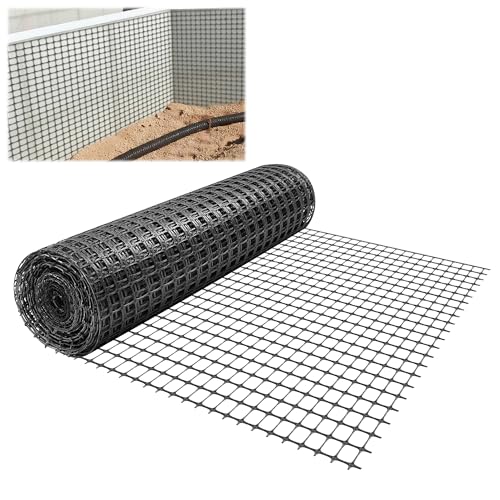
The FULEIYA bi-directional geogrid is designed to reinforce retaining walls and distribute stress across the structure. With a 30 kN tensile strength, this fiberglass geogrid supports soil stability and reduces settlement. The mesh size is 0.8 inches, matching standard interlock expectations for backfill materials. It is tough, easy to cut, and suitable for cutting to fit project dimensions while maintaining structural integrity.
The product emphasizes long-term performance, offering corrosion and temperature resistance benefits. It is a practical choice for mid-sized walls and surface stabilization across roadbeds, slopes, or erosion-prone areas. Ensure proper installation practices to maximize the material’s life span and load distribution.
ZechJinghool 4ft x 50ft Wall Geogrid

This ZechJinghool wall geogrid provides a bidirectional polypropylene mesh with a small edge length of 0.8 inches, designed to strengthen the bottom layer of roads and walls. The 4 ft by 50 ft size is well suited for garden paths, decks, and driveways requiring reinforcement and stabilization. While intended for reinforcement rather than load-bearing structures, the product helps achieve a more durable, uniform surface with improved long-term resilience.
Users should confirm local building guidelines before relying on geogrids for critical structural components. The polypropylene composition offers good oxidation resistance and aging resistance, supporting consistent performance in varied climates.
ZechJinghool 3ft x 50ft Wall Geogrid
This ZechJinghool option offers a 3 ft by 50 ft footprint, ideal for smaller projects or selective reinforcement zones in landscaping. It shares the same 0.8 inch mesh characteristic and polypropylene durability, focusing on reinforcement and stabilization rather than bearing loads. Its compact length makes it a practical choice for tight spaces or phased installations where sections of a wall are completed progressively.
Buying Guide: Key Purchase Considerations
Geogrids come in fiberglass and polypropylene forms, each with distinct advantages. Fiberglass geogrids deliver higher tensile strength and stiffness, making them a strong choice for typical residential retaining walls and driveways. Polypropylene geogrids tend to be more affordable and offer adequate reinforcement for lighter projects or areas with lower loading demands.
- Strength vs. load requirements: For walls up to six feet, a 30–50 kN tensile rating is common. Heavier loads or steeper slopes may justify higher ratings or larger rolls to minimize seams.
- Mesh size and soil interlock: A 0.8″ (20 mm) mesh promotes good soil interlock, reducing movement. A smaller mesh sometimes provides more precise reinforcement in coarse backfill.
- Roll length and installation efficiency: Longer rolls (e.g., 100 ft) reduce seams and labor. For large projects, consider multiple rolls in the same batch to minimize color and material variance.
- Material durability: Fiberglass geogrids resist high tensile loads and show strong performance in outdoor conditions. Polypropylene geogrids are more susceptible to UV exposure over time; look for coated or reinforced options if exposure is extreme.
- Backfill compatibility: Ensure the chosen geogrid works well with your backfill material (gravel, sand, or soil). Some backfills require specific installation procedures to optimize interlock.
- Installation practices: Proper trench preparation, backfill compaction, and alignment are crucial. Avoid sharp-edged soil, rocks, or debris that can abrade the mesh.
- Code and project type: Always verify local building codes and project requirements. Some residential projects may require engineered plans or professional review.
In sum, for many home projects, a 30–50 kN fiberglass geogrid with a 0.8″ mesh and long roll length offers a favorable balance of strength, coverage, and ease of use. When higher loads or larger areas are involved, a 50 kN option or longer rolls can reduce seams and provide additional margin for settlement control. Always follow manufacturer installation guidelines and consult a structural or civil professional for critical or high-load applications.