Purple dwarf crape myrtles offer vibrant summer color and compact growth, making them ideal for patios, borders, and small gardens. This article reviews five top selections, highlighting bloom color, size, and care needs to help you choose the right cultivar for your landscape. Each option is well-suited for sunny, well-drained sites and requires minimal upkeep once established.
| Product | Brand | Why It Stands Out |
|---|---|---|
| First Editions Purple Magic Dwarf Crape Myrtle | New Life Nursery & Garden | Dense, low-growing hedge form; early summer dark purple blooms |
| Velmas Royal Delight Crape Myrtle | Southern Charm Crape Myrtles, LLC | Very dark purple blooms; can be grown as shrub, hedge, or small tree |
| Dwarf Crape Myrtle Berry Dazzle | Florida Foliage | Magenta blooms; compact, drought-tolerant |
| Dwarf Centennial Crape Myrtle Tree | The Crape Myrtle Company | Matures 8–10 ft; year-round exfoliating bark |
| 4 Pack Purple Flowering Ornamental Crape Myrtle Trees | Crape Myrtle Guy | Quart containers; long-lasting summer blooms |
First Editions Purple Magic Dwarf Crape Myrtle

Product overview highlights a dense, low-growing shrub ideal for small landscapes. Blooming begins in early summer with dark purple flowers, adding a striking color contrast against glossy fall foliage. The plant develops reddish new growth that matures to deep green, enhancing the overall purple display. Its compact form makes it suitable for narrow beds, border rows, or as a hedge on a patio or balcony. With proper sun exposure and well-drained soil, it can be a dependable, long-lasting accent plant.
Features emphasize suitability for smaller gardens and rows for hedging, compact habit, and season-long color. This option is particularly attractive to gardeners seeking a reliable, early-season flowering shrub that stays tidy and manageable in limited spaces. Basic care includes full sun, regular watering during establishment, and minimal pruning to maintain shape.
Velmas Royal Delight Crape Myrtle
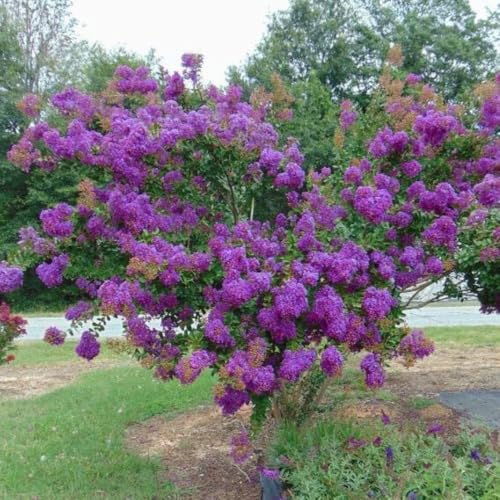
Velmas Royal Delight offers exceptionally deep purple blooms with blue undertones, delivering a dramatic display from mid-summer through fall. The plant matures into a dwarf tree form around 8–10 feet tall and wide, versatile enough for landscapes as a focal point, hedge, or screening plant. It ships as a well-established 1–4 foot tall specimen, ready for transplanting into a prepared bed. This cultivar suits medium-sized landscapes that want a standout color without towering height.
Reference notes underscore its mature size and growth habit, along with flowering duration. Growth tends toward a compact tree or thick shrub, making it a flexible option for mixed borders or urban gardens where space is at a premium. Planting in a sunny location with well-drained soil will maximize bloom and structural appeal throughout the warmer months.
Dwarf Crape Myrtle Berry Dazzle
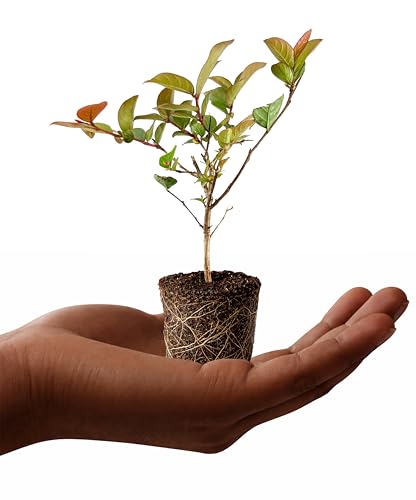
Berry Dazzle presents a compact growth habit with vibrant magenta blooms that brighten any sunny area. Its low-maintenance nature makes it an ideal choice for patios, small yards, and container planting. The plant thrives in sunny spots and requires minimal care beyond basic watering and occasional pruning to maintain shape. The drought-tolerant characteristics help it perform well in hot, dry summers common in many American regions.
Highlights focus on its suitability for tight spaces and easy, long-lasting color throughout summer. As a decorative shrub, Berry Dazzle offers reliable performance with limited fertilization needs, making it a practical option for homeowners seeking color without high maintenance.
Dwarf Centennial Crape Myrtle Tree

This dwarf variety reaches 8–10 feet tall and wide, providing a compact tree form suitable for smaller landscapes. Its clusters of purple flowers draw butterflies and bees, contributing to pollinator-friendly gardens. A defining feature is exfoliating bark, which adds year-round visual interest and texture to winter landscapes. The combination of color and bark makes it a multi-season focal point in beds, borders, or accent locations near entryways.
The planting notes indicate it ships well rooted in pots with soil, aiding transplant success. This cultivar balances ornamental appeal with manageable size, making it adaptable for urban yards or limited-space yards where a traditional larger crape myrtle would be impractical.
4 Pack Purple Flowering Ornamental Crape Myrtle Trees

This pack provides four purple flowering trees in quart containers, ideal for creating quick color in a planting bed or along a walkway. The blooms are described as lasting over 100 days all summer, offering extended seasonal color. Drought tolerance is a key benefit for hot climates, reducing irrigation needs.
As a set, these trees support mass plantings or cohesive edging. The quart container size helps ensure relatively straightforward transplanting and establishment in prepared planting areas. This option suits homeowners seeking a vibrant, uniform display across a defined section of garden space.
Dwarf Crape Myrtle Assortment Pack

The assortment includes multiple color options (White, Pink, Watermelon Red, Red, Purple) within one pack, allowing for colorful variety in a single planting scheme. Each variety matures to about 6–10 feet, with initial shipment sizes around 2–4 feet tall. These shrubs come well-rooted with pots and soil, facilitating easier transplanting and quicker establishment.
Color variety supports design flexibility, enabling contrasting accents or a cohesive color theme. The assortment is suitable for mixed borders, residential landscapes, and container gardening where a spectrum of purple-toned blooms enhances curb appeal and garden interest.
Buying Guide: Key Purchase Considerations
When selecting a purple dwarf crape myrtle, consider site conditions, mature size, and bloom timing. Choose cultivars that fit the available space—compact forms for patios or narrow beds, and slightly larger dwarfs for focal points or borders. Soil drainage is important; these plants perform best in well-drained soil with full sun exposure (at least 6 hours daily).
Bloom color and duration vary among cultivars. Look for dark, vivid purples if you want high-contrast color against green foliage, and note whether the plant is a true dwarf shrub or can grow into a small tree. Consider disease resistance and maintenance needs, such as pruning requirements and irrigation during establishment.
Care routines are generally straightforward: water regularly while establishing, mulch to conserve moisture, and prune after blooming to maintain shape. Drought-tolerant varieties reduce irrigation needs once established, making them suitable for low-water landscapes. For container plantings, select pots with adequate drainage and a soil mix designed for ornamentals.
Design perspectives include using dwarf crape myrtles as hedge rows, border accents, or focal points in small yards. Grouping multiple plants in complementary heights creates depth, while pairing with evergreen shrubs provides year-round structure. In pollinator-friendly gardens, the clusters of purple blooms attract butterflies and bees, supporting local biodiversity.