Protecting fruit trees from birds is a common challenge for home gardeners. The right barrier can reduce fruit loss while keeping trees healthy and productive. This article highlights five effective solutions—from lightweight mesh bags to large, durable netting—designed to deter birds and other pests without harming your plants. Each option balances airflow, sunlight, and accessibility for watering and picking, helping you choose the best fit for your orchard or backyard.
| Product | Brand | Type | Key Benefit |
|---|---|---|---|
| 50 PCS 6X9 Inches Fruit Protection Bags | FloraSea | Drawstring mesh bags | Low-cost, reusable, easy to install |
| Bird Netting for Garden 13x33ft | Sukh | Large garden netting | Wide coverage, easy customization |
| Alpurple 2 Pcs Insect Bird Barrier Netting Mesh | Alpurple | Drawstring barrier netting | Secure fit, wind resistance |
| PURPLE STAR 1N 10.8 x 9.8 Ft Netting | PURPLE STAR 1N | Zippered netting with drawstring | Zipper access, adjustable bottom |
| RIFNY 100 Pcs 6×8 Inch Green Bags | RIFNY | Green mesh drawstring bags | High quantity, breathable, versatile |
FloraSea 50 PCS Fruit Protection Bags

These reusable mesh bags are made from polyester, offering a sturdy yet lightweight barrier that won’t harm fruit. The green color helps deter birds and squirrels while remaining unobtrusive among foliage. The 6×9 inch size fits a wide range of fruits, including apples, peaches, pears, persimmons, dragon fruit, guava, tomatoes, and more. Double-drawstring closures simplify installation and secure the top to prevent gaps, making them a practical option for small-to-medium fruit crops.
Sukh Garden Netting 13x33ft

This large, lightweight polyethylene netting provides expansive coverage for fruit trees and garden beds. Its 0.8 inch mesh allows sunlight and rain while blocking birds and larger pests. The netting can be cut to fit specific configurations, enabling use as a continuous fence or targeted protection around individual plants. Its durable construction minimizes tearing and can serve season after season in various climates.
Alpurple Insect Bird Barrier Netting Mesh

Alpurple offers two-packs of drawstring garden netting designed to cover fruit trees and shrubs. With a 3.2×4.9 feet footprint per bag, the nets are easy to stretch over branches and tighten with the bottom drawstring for a snug seal. The material blends mesh strength with PE durability, delivering a long-lasting barrier against birds, insects, and other creatures while preserving airflow and light penetration.
PURPLE STAR 1N 10.8 x 9.8 Ft Netting
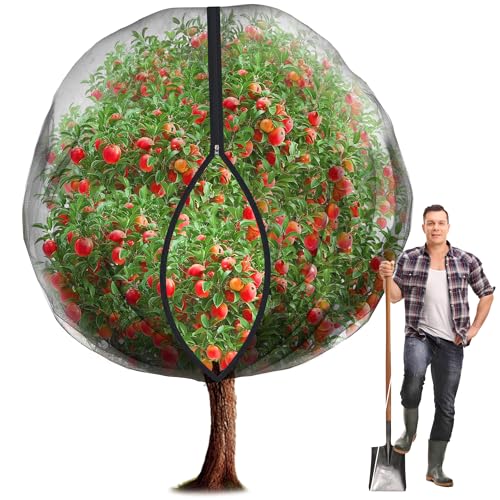
This large, breathable netting features a side zipper and an adjustable bottom drawstring, enabling full coverage with easy access for watering, pruning, or harvesting. The translucent material maintains light, air, and moisture exchange, supporting plant health while protecting fruits from birds, deer, and other pests. Its 10.8×9.8 feet size suits medium-to-large trees and can be used as a stand-alone cover or combined with support poles for a more secure fit.
RIFNY 100 Pcs 6×8 Inch Green Bags

RIFNY’s 100-pack offers substantial value for households with numerous fruit varieties. The green organza mesh bags balance visibility and protection, reducing fruit exposure to insects, birds, and small mammals while maintaining airflow and sunlight. The 6×8 inch size is compatible with apples, grapes, peaches, berries, and citrus fruit, and the double-drawstring design enhances secure closure during windier conditions.
Feitore Deer Fence Netting
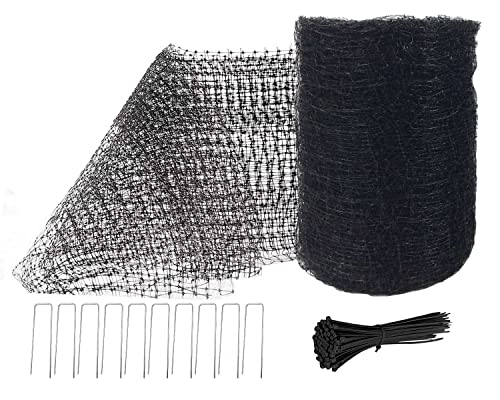
Feitore’s deer fence netting is a heavier-duty option for larger landscapes. The 7×100 feet roll provides extensive coverage for multi-tree setups or garden perimeters. The 3/4 inch mesh prevents larger pests from entering while remaining reusable and easy to install with included nails and cable ties. This barrier is suitable for protecting fruit trees, shrubs, and vegetables without harming birds or other wildlife.
EaseThrift 10′ x 10′ Large Fruit Tree Netting

This large, zippered net provides full-tree coverage for mature fruit trees. A side zipper and adjustable bottom drawstring create a secure seal, while the translucent mesh allows sunlight and rainfall to reach the tree. The design supports easy access for watering and fruit picking, and the lightweight material minimizes stress on branches while protecting against birds and other pests.
Buying Guide: Key Purchase Considerations and Comparisons
Consider the following when choosing a bird-protection solution for fruit trees:
- Tree size and canopy coverage: For small orchards or individual trees, bag-style protectors (6×8 to 6×9 inches) are economical and target-specific. For larger trees, full-tree netting or large-area nets are more efficient.
- Airflow and light: Mesh materials should allow adequate sunlight and air to prevent mold and ensure proper fruit development. Lighter bags or fine-mesh nets balance protection with healthful growth.
- Durability and reuse: Reusable organza or PE nets reduce long-term costs. Higher-grade nets resist tearing and weather exposure better in regions with strong winds or heavy rain.
- Access for care: Zippers and drawstrings simplify watering, pruning, and harvest without removing the entire barrier. Consider whether you need frequent access.
- Security against wind and pests: Drawstring bottoms and top closures prevent gaps. Larger nets with reinforced edges help prevent displacement during storms.
- Installation effort: Bag-style protectors are quick to install on single fruits; larger nets may require more setup, poles, or stakes to maintain shape and coverage.
- Cost and scale: Bulk options (e.g., 100 pieces) are ideal for seasonal crops or multiple trees, while single-tree covers may suffice for backyard orchards.
- Material safety and environmental impact: Look for breathable, non-toxic fabrics that won’t release residues or harm pollinators when used as directed.
Choosing the right protection method depends on your garden layout, tree size, and how much time you want to invest in setup and maintenance. For many homeowners, a combination approach—using small bags on younger fruit on a few trees and larger netting for perimeter protection—offers balance between protection, accessibility, and cost. Always ensure that nets and bags are removed periodically to inspect tree health and harvest mature fruit promptly when ready.