Lawn mower oil is a crucial part of keeping outdoor power equipment running smoothly. Choosing the right viscosity and formulation helps engines start reliably, reduce wear, and extend service life. This article reviews five reputable small‑engine oils that are commonly used in lawn tractors, push mowers, and other outdoor power equipment. Each product is evaluated for compatibility with 4‑cycle engines, performance in varying temperatures, and overall wear protection. Use this guide to compare options and select the best oil for your mower’s needs.
| Product | Brand | Viscosity | Notes |
|---|---|---|---|
| STP Premium Small Engine Oil Formula | STP | SAE 10W-30 | All-weather synthetic blend; reduces wear; suitable for small engines |
| Briggs & Stratton SAE 30 Engine Oil | Briggs & Stratton | SAE 30 | Pack of 2; 3‑in‑1 fuel treatment option; conventional oil |
| Toro SAE 30 Summer Oil | Toro | SAE 30 | Simple, reliable summer oil for small engines |
| TRIAX Power 4‑Stroke 30W | Triax | 30W | High‑zinc formula; extreme durability; all‑season operation |
| Briggs & Stratton 5W-30 Synthetic | Briggs & Stratton | SAE 5W-30 | 100% synthetic; designed for air‑cooled 4‑cycle engines |
STP Premium Small Engine Oil Formula

STP Premium Synthetic Blend 4 Cycle Small Engine Oil is formulated for lawnmowers, generators, tractors, and other outdoor power equipment. It is designed for all-weather performance and starts easily in various temperatures. The formula includes antioxidants to resist thermal breakdown, helping the oil maintain viscosity and lubricity under heat. This 32 oz bottle is convenient for homes with multiple small engines and seasonal maintenance schedules.
Briggs & Stratton SAE 30 Engine Oil (Pack of 2)

Briggs & Stratton SAE 30 Engine Oil is a straightforward conventional option packaged in a pair of 18 oz bottles, totaling 36 oz. The included 3‑in‑1 Advanced Fuel Treatment adds value by helping to manage fuel quality for compatible engines. This pairing is suitable for seasonal maintenance in older or classic small engines that specify 30W oil, offering reliable protection for warm‑weather operation.
Toro SAE 30 Summer Oil

Toro SAE 30 Summer Oil is a simple, single‑viscosity option designed for warm‑season operation. This 18 oz bottle suits mowers that require a straightforward 30W oil without additional additives. It’s a practical choice for riders, push mowers, and compact tractors operated primarily in summer climates where temperatures stay high and heat management is essential.
TRIAX Power 4‑Stroke 30W

TRIAX Power 4‑Stroke 30W is a high‑zinc, commercial‑grade small engine oil designed to maximize wear protection for engines under heavy use. It claims extended durability with strong shear stability and thermal resistance, potentially delivering longer service life than conventional oils. The all‑season formulation aims to prevent deposits and soot buildup, helping to avoid valve sticking and engine damage during long mowing seasons.
Pennzoil 10W-30 Motor Oil

Pennzoil 10W-30 motor oil is formulated to keep engines clean and responsive, with proven wear protection demonstrated by standard wear tests. It helps prevent dirt and contaminants from forming deposits that could hinder engine performance. This option is commonly used in many lawn equipment models that specify 10W-30 viscosity, offering a balance between cold‑start protection and high‑temperature stability.
Briggs & Stratton SAE 5W-30 Synthetic
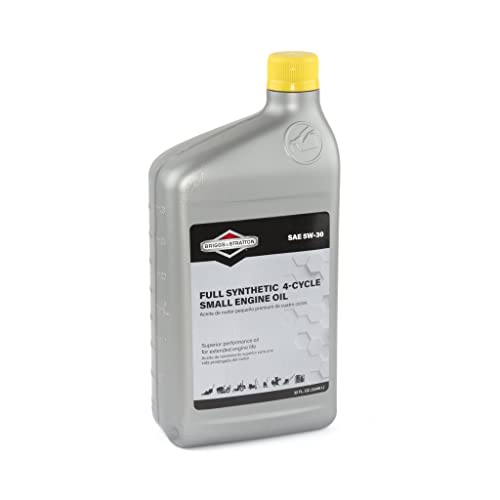
Briggs & Stratton SAE 5W-30 Synthetic Small Engine Oil is a 100% synthetic option designed for all air‑cooled 4‑cycle engines. The 32 oz bottle provides sufficient quantity for regular maintenance. Synthetic formulas typically offer superior viscosity retention and protection across a wide temperature range, making them a strong choice for engines subjected to frequent starts and varying weather conditions.
Buying Guide: Key Purchase Considerations
Choosing lawn mower oil involves more than picking a viscosity. Consider the following perspectives to ensure you select the right product for your mower and climate.
- Engine type and 4‑cycle vs 2‑cycle: Most lawnmower engines are 4‑cycle and require a standard automotive‑type oil, typically SAE 30, 10W‑30, or 5W‑30. Avoid mixing in 2‑cycle oils unless the manufacturer specifies them for small engines with fuel mixed lubrication.
- Viscosity and climate: Warmer climates often favor higher viscosity (30W); colder regions benefit from multi‑viscosity oils like 10W‑30 or 5W‑30 for easier starting in cold weather. Always follow the mower’s owner manual.
- Synthetic vs conventional: Synthetic or synthetic blends offer better oxidation resistance and temperature stability, which can extend oil life and reduce wear during heavy mowing. Conventional oils are typically adequate for light use or older engines.
- Wear protection additives: Zinc and phosphorus compounds, along with detergents, help protect metal surfaces and keep deposits from forming. Some oils emphasize high‑zinc formulas for demanding small engines.
- Seasonal maintenance and fuel considerations: Some oils come with fuel treatment additives; consider whether you need an integrated solution or prefer separate fuel stabilizers.
- OEM recommendations: Always check your mower’s manual for the recommended viscosity and oil type. Using the wrong oil can affect warranty coverage and engine longevity.
- Volume and storage: For households with multiple engines, selecting larger containers (like 32 oz or 1 gallon) can reduce trips to the store and simplify routine changes.
Oil Change Frequency and Best Practices
Establish a maintenance schedule based on usage and climate. For frequent mowing or high‑temperature operation, more frequent changes may be beneficial. Warm climates and heavy loads can accelerate oil oxidation, so monitoring oil color and level helps determine timing between changes. Always run the engine briefly after an oil change to ensure proper oil circulation and to check for leaks.
Environmental and Disposal Considerations
Used motor oil must be disposed of properly at certified recycling centers or automotive service locations. Never pour oil onto the ground or down drains. Consider purchasing recycled or reusable containers when possible to reduce waste.