Choosing the right inoculant can improve nodulation, nitrogen fixation, and overall bean and pea performance. This guide highlights five effective root and seed inoculants linked to healthier plants, stronger roots, and higher yields for green beans and other legumes. Each product below is selected for compatibility with beans, peas, and related crops, along with practical application notes and key features.
| Product | Brand | Highlights |
|---|---|---|
| PAPAW’S GARDEN SUPPLY INOCULANT, 1.5 OZ | Papaw’s Garden Supply LLC | Attaches to roots; produces free nitrogen; treats up to 8 lbs of seed |
| Nature’s Aid Garden Soil Inoculant | Park Seed | Live nitrogen-fixing bacteria; granular; treats 150 ft of row |
| Micronoc Mycorrhizal Fungi + Beneficial Microbial Blend | Micronoc | Nitrogen fixers + phosphate solubilizers + fungi; seed coating |
| Dirty Green Microbe Blend Inoculant | Dirty Green | 4 oz powder; 12 strains bacteria; 5 species mycorrhizae |
| Soybean Inoculant (1 Oz) – Cover Crop Seed Inoculant | Mountain Valley Seed Company | Rhizobia for soybean cover crops; boosts soil nitrogen |
Note: All selected products originate from reputable brands and are designed to improve legume performance by enhancing nitrogen availability and root development. When selecting an inoculant, consider seed type, application method, and whether you want a granular, powder, or liquid format for your gardening routine.
PAPAW’S GARDEN SUPPLY INOCULANT

PAPAW’S Garden Supply inoculant is an easy-to-use root-attaching product that helps legumes form beneficial nitrogen-fixing relationships. The 1.5 oz packet covers up to 8 pounds of pea or bean seed, enabling efficient pre-plant inoculation. This format supports early nodulation and can be applied at sowing to kick-start growth, aligning with organic or home-garden practices where soil nitrogen is limited.
Park Seed Nature’s Aid Inoculant
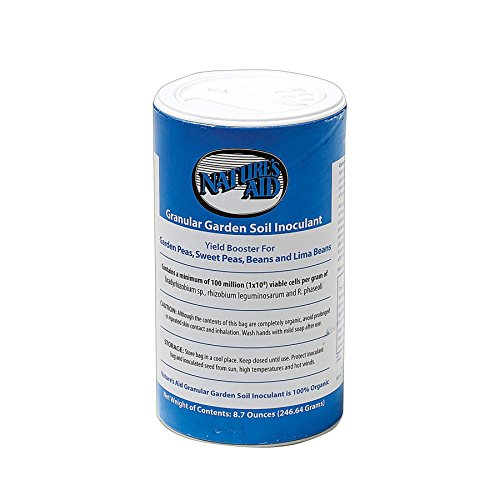
Nature’s Aid introduces live nitrogen-fixing bacteria directly into the soil. It targets legumes such as beans, peas, and vetch, helping promote robust root systems and healthier foliage. The granular format makes for straightforward soil application during sowing, reducing the need for frequent liquid handling and supporting a natural nitrogen cycle without relying on synthetic fertilizers.
Micronoc Mycorrhizal Seed Inoculant

Micronoc combines nitrogen-fixing bacteria with phosphate solubilizers and beneficial fungi. The 8 oz seed inoculant is designed for a broad range of crops, including peas and beans, to improve nutrient availability and promote healthy root development. Coating seeds before planting helps establish a balanced soil ecosystem right from germination, supporting stronger plant vigor.
Dirty Green Microbe Blend Inoculant

Dirty Green offers a 4 oz powder inoculant with 1000 spores per gram and 12 bacterial strains plus 5 species of endomycorrhizal fungi. The zero-fillers formulation emphasizes active microbes for vigorous root exploration and nutrient uptake. This product is designed to maximize microbial diversity in the rhizosphere, benefiting root health and plant resilience across bean and pea crops.
Mountain Valley Soybean Inoculant (1 Oz)

Mountain Valley Seed Company offers a powder rhizobia inoculant tailored for soybean cover crops. While designed for soybeans, this product supports nitrogen fixation and root nodulation in legume cover crops, contributing to soil health and future yields. It is a useful option for gardeners integrating cover crop strategies into their bean rotations and soil-building plans.
Buying Guide
Key considerations when choosing a legume inoculant:
- Crop compatibility: Look for inoculants labeled for beans, peas, or other legumes. Some blends target a broader range of legumes or cover crops, which can be advantageous for mixed plantings.
- Format and application: Granular, powder, and seed-coating formats affect handling and timing. Granular products are easy to mix into soil, while seed coatings save a step at planting.
- Microbial composition: Effective products often combine nitrogen-fixing bacteria with mycorrhizal fungi and phosphate solubilizers, improving nutrient uptake and root development.
- Soil and climate considerations: Some inoculants perform best in neutral to slightly acidic soils and can support drought tolerance and disease resilience in beans.
- Organic suitability: For organic gardening, verify OMRI-listed status or regionally approved labeling to ensure compliant use.
- Storage and shelf life: Inoculants contain living organisms; store in a cool, dry place and use before expiration for maximum viability.
- Application timing: Apply at sowing or seedling stage as directed. Early nodulation yields the best chance for enhanced nitrogen fixation throughout the growing season.
When evaluating multiple options, compare microbial diversity, application methods, seed treatment compatibility, and long-term soil benefits. A balanced approach using a high-quality inoculant alongside sound crop rotation and soil health practices can lead to meaningful improvements in bean and pea yields without relying heavily on synthetic fertilizers.