Hanging tomato grow bags offer a simple, space-saving way to cultivate tomatoes and other vegetables in small spaces, balconies, or urban gardens. This guide highlights five top options, detailing design features, materials, and practical advantages. Each pick supports healthy root development, efficient watering, and easy vertical gardening. Read on to compare variations in capacity, durability, and hanging ease to find the best fit for your setup.
| Product | Brand | Holes / Pockets | Capacity |
|---|---|---|---|
| 4Pack Upside Down Strawberry Planter | Lesimnky | 6 pockets per bag | 3 gallons per bag |
| SPONDWILD 3 Pack 3 Gallon | SPONDWILD | 12 holes total per bag | 3 gallons per bag |
| TANEMUDO 9 Pcs Upside Down Set | TANEMUDO | 12 holes each bag (color set) | 3 gallons per bag |
| GrowLaLa 3 Piece Set | GrowLaLa | Multiple side and bottom openings | Varies by kit; 3 bags included |
| ZOENHOU 2 Pack 18 Pockets | ZOENHOU | 18 pockets per bag | Not specified in listing |
These options highlight a range of materials, from durable non-woven fabrics to sturdy PE bags, and emphasize features like bottom drainage, hanging hardware, and multi-plant versatility. The right choice depends on space, sunlight exposure, water needs, and whether you plan to grow tomatoes, strawberries, or a mix of herbs and greens in a vertical layout.
Lesimnky Upside-Down Planter Set
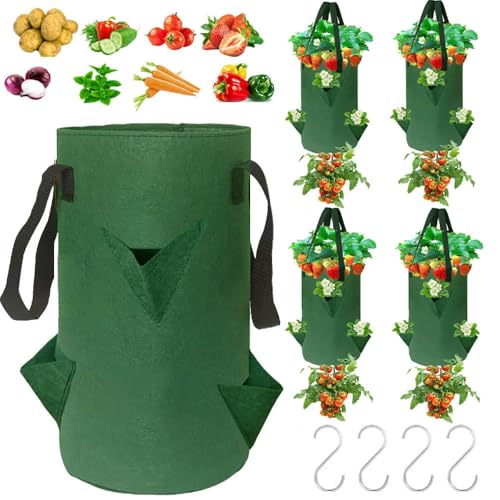
The Lesimnky set includes four dark-green fabric hanging bags, each measuring 8×14 inches. Six triangular pockets per bag offer easy planting, plus a bottom hole designed for inverted planting. Four metal hooks are included for quick hanging. The upside-down design helps maximize space and permits flexible sunlight exposure, supporting year-round harvests for tomatoes and strawberries. Packed with heavy-duty nonwoven fabric, these planters promote root respiration and can help reduce transplant shock while maintaining warmth in cooler months.
SPONDWILD 3 Pack 3 Gallon Bags

SPONDWILD offers 3-gallon PE grow bags in a three-pack, featuring 12 holes per bag and a bottom drainage design. The durable 180G PE material is waterproof, washable, and reusable, resisting tearing under full soil load. The hanging design elevates fruits to reduce rot, while reinforced, long handles support secure hanging on balconies or fences. This configuration works well for herbs and vegetables in high-traffic or compact spaces, providing a reliable, reusable vertical growing solution.
TANEMUDO 9 Pcs Upside Down Kit

This TANEMUDO package includes nine bags in red, black, and green with twelve hooks, allowing ample vertical planting. Each bag holds about 3 gallons and uses high-quality nonwoven material for breathability and durability. The breathable fabric supports healthy root growth, while the included hooks enable flexible hanging arrangements. The bundle is suitable for a variety of crops, including tomatoes and strawberries, and is designed for easy storage and reuse across seasons.
GrowLaLa 3 Piece Upside Down Kit

GrowLaLa’s three-piece set emphasizes space-saving vertical gardening with an easy setup. The kit highlights upside-down tomato and strawberry support, designed for year-round harvests in compact areas. The bags feature a versatile hanging system and multiple openings to promote healthy nutrient flow. The included hardware simplifies installation, and the kit’s design supports healthy crops without bending or weeding, making it suitable for small balconies, patios, or indoor spaces with good light.
ZOENHOU 2 Pack With 18 Pockets
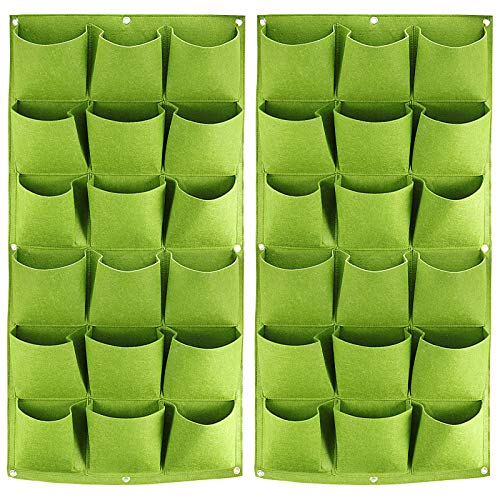
ZOENHOU’s two-pack features 18 pockets per bag and a felt wall-mount design with a rear water-preserving layer to protect walls from moisture. The planters are durable, easy to hang, and stackable for larger wall coverage. These bags are ideal for tomatoes, herbs, vegetables, and flowers, offering a decorative and practical vertical gardening solution for balconies, patios, or fences—while keeping floors clean and moist conditions stable for roots.
Buying Guide: Key Considerations For Hanging Tomato Grow Bags
- Material and Breathability: Nonwoven fabric and PE bags offer different durability and permeability. Choose breathable materials to support healthy root respiration and prevent waterlogging.
- Capacity And Plant Type: Panels range from 3 gallons to larger configurations. Tomatoes generally do well in 3-gallon bags, while strawberries can thrive in shallower setups. Match bag size to plant expectations and sunlight exposure.
- Hanging Hardware: Look for included hooks or reinforced eyelets for secure mounting on balconies, fences, or walls. Consider weight load when filled with soil and plants.
- Drainage And Watering: Bags with bottom drainage holes reduce root rot. Some models include water-preserving layers or bottom drains; assess how you water and how you prefer to manage moisture.
- Mobility And Setup: Vertical gardening saves space but may require more planning for sun exposure. Kits with easy assembly, clear labeling, and multipocket layouts offer flexible positioning.
- Durability And Reuse: Reusable bags reduce waste and costs over time. Inspect stitching, seams, and hook reinforcements to ensure longevity through multiple growing seasons.
- Aesthetic And Placement: Choose colors and designs that complement your space, whether outdoors, on a balcony, or indoors near a sunny window. Consider wall coverage for larger setups.
- Maintenance And Storage: When off-season, foldable bags store compactly. Some fabrics resist staining and can be cleaned easily to extend life.
Vertical growing with hanging tomato bags offers a scalable path to fresh produce in constrained spaces. When selecting a bag set, align your choice with space, sunlight, plant preferences, and your readiness to manage moisture and rotation. These five options provide varied approaches to maximize yield while maintaining convenience and organization in American home gardens.