Growing lush, green turf in shaded areas can be a challenge, but the right seed blends, mixes, and soil improvements can help. The following picks are designed for low sunlight, with blends that emphasize shade tolerance, deep rooting, and drought resistance. Each product below includes a brief note on ideal conditions and performance to help you decide which to choose for your yard.
Summary of selected products:
| Product | Brand | Coverage/Quantity | Key Benefit |
|---|---|---|---|
| Pennington Smart Seed Dense Shade Grass Mix | Pennington | 7 lb bag | Thick, green growth in low sun |
| Scotts Turf Builder Grass Seed Sun and Shade Mix | Scotts | 5.6 lb | Root-building nutrition for deep roots |
| X-Seed Ultra Premium Shady Lawn Seed Blend | X-Seed | 3 lb | All-in-one seed and fertilizer for poor soils |
| Scotts Turf Builder Rapid Grass Tall Fescue Mix | Scotts | 5.6 lb | Grows full grass in weeks |
| Jonathan Green Black Beauty Dense Shade | Jonathan Green | 1 lb | Shade-tolerant with dark-green color |
Pennington Smart Seed Dense Shade Grass Mix
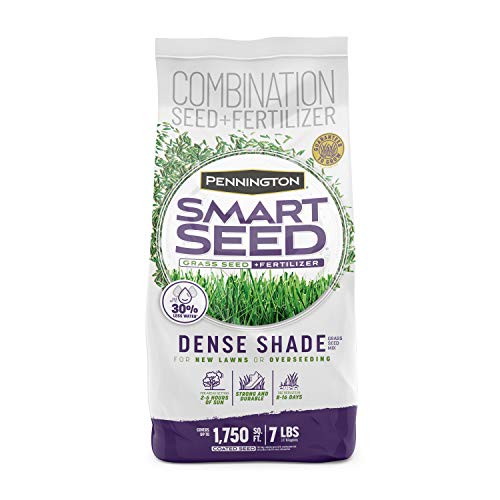
The Pennington Dense Shade Mix combines Tall Fescue and Fine Fescue to thrive where sunlight is limited. It is designed to grow thick, green grass in areas with little sun and includes a balanced amount of fertilizer to support establishment. This blend emphasizes resilience in shady beds or under tree canopies, helping to reduce bare patches over time.
Ideal conditions include partial shade to light shade with consistent moisture. Maintenance focuses on even watering to support root development and prevent shallow, weak growth. The mix is suited for overseeding or establishing in underperforming shady lawns and can respond well to regular mowing at higher heights to protect tender shoots.
Scotts Turf Builder Grass Seed Sun and Shade Mix

Scotts Turf Builder Sun & Shade Mix blends grass seed with fertilizer and soil improver to support deep root growth. It’s designed to perform in a range of conditions, from full sun to dense shade, making it versatile for mixed sunny/shady lawns. The product emphasizes root development to create a tougher, more durable lawn early in the season.
Users should expect a longer establishment period in dense shade and may need supplemental irrigation during dry spells. The fertilizer component assists with early growth, but consistent moisture and moderate mowing will optimize results in smaller, shaded areas as the lawn matures.
X-Seed Ultra Premium Shady Lawn Seed Blend

X-Seed Shady Lawn blends 20% Maxima Creeping Red Fescue, 14% Improved Chewings Fescue, 17% Improved Perennial Ryegrass, and 7% Kentucky Bluegrass for dense shade coverage. It is marketed as a versatile mix that thrives in sun and shade, with reduced fertilizer and water needs compared to other varieties. The all-in-one seed plus fertilizer option supports establishment in poorer soils and is compatible with hydro seeding methods.
Shade performance improves with consistent moisture and proper seed-to-soil contact. It’s a practical choice for lawns with variable light, including southern yards with seasonal shade from trees or structures. Expect a steady, manageable maintenance routine to sustain the dense stand over seasons.
Scotts Turf Builder Rapid Grass Tall Fescue Mix
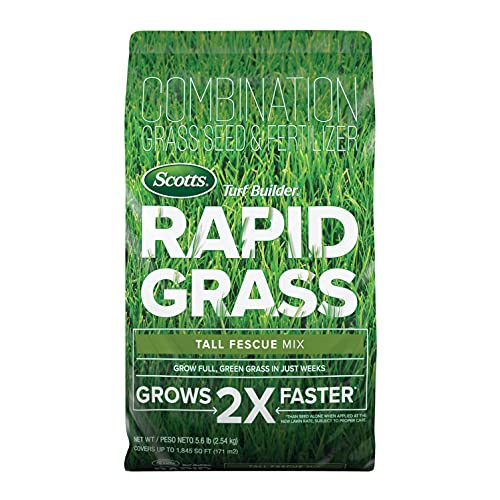
Scotts Rapid Grass Tall Fescue Mix combines seed and lawn food to accelerate establishment. Marketed as growing twice as fast as seed alone, this mix targets overseeding large problem areas and new lawn creation. The tall fescue blend is known for its tolerance to heat and drought when established, yet it aims for rapid green-up in weeks rather than months.
Best results come with proper soil preparation, adequate watering, and gradual mowing once germination is complete. It’s well-suited for lawns that experience occasional shade as well as sun, though shade performance may be stronger in areas with some sun exposure to support photosynthesis and growth velocity.
Jonathan Green Black Beauty Dense Shade

Jonathan Green Black Beauty Dense Shade is a cool-season mix designed for shade-tolerant lawns. The blend emphasizes a dark-green color and density, with germination typically in the 14–21 day window. The product’s endophyte-containing varieties help resist certain pests and support robust establishment in limited sunlight environments.
Shade performance benefits from consistent moisture during germination and early growth. The dark-green aesthetic is a common goal for shaded lawns, where controlling weeds and encouraging uniform turf can be more challenging due to reduced light. Regular mowing and selective fertilization help maintain a dense, healthy stand.
Buying Guide: Key Purchase Considerations For Shady Lawns
Shade tolerance: Look for blends specifically marketed for shade or sun/shade versatility. A mix with fine fescues and creeping red fescues often performs better under dense canopies.
Soil quality and preparation: Shade areas often have cooler soil and slower growth. Conduct a simple test for soil texture and drainage; amend with compost or soil conditioner if necessary to improve seed-to-soil contact and moisture retention.
Watering needs: Dense shade reduces evaporation but can retain excess moisture, leading to fungal issues. Establish a balanced watering plan that keeps the topsoil consistently moist without pooling.
Establishment timeline: Shade-tolerant seeds may germinate slower than sun-loving varieties. Be prepared for a longer initial maintenance phase with careful mowing and steady moisture to encourage even root development.
Fertilization strategy: Some seed mixes include fertilizer; if not, plan light, periodic feeding after germination to support establishment. Avoid heavy fertilization in late fall or during heat, which can stress young turf.
Soil health and environmental conditions: In areas with poor soils or high traffic, choose a mix that includes drought resistance and heat tolerance. For heavily shaded lawns beneath trees, select varieties with strong shade adaptability and low nutrient demand.
Maintenance considerations: Regular mowing at a higher height helps shade-tolerant grasses develop deeper roots and reduce weed pressure. Periodic overseeding may be necessary to maintain density over time in persistent shade zones.