Finding a lawn that stays green and robust in shaded spots can be challenging. The following selections are tailored for shade tolerance, quick germination, and durable growth in low-light conditions. Each option combines seed blends that perform well in cool or mixed climates and include features like rapid germination, disease resistance, and improved soil tolerance. Read on to compare approaches for dense, shade-friendly turf.
| Product | Brand | Key Benefit | Shade Suitability |
|---|---|---|---|
| X-Seed Ultra Premium Shady Lawn Grass Seed Blend | X-Seed | All-in-one seed and fertilizer option for poor soils | Heavy to moderate shade |
| Jonathan Green Black Beauty Dense Shade | Jonathan Green | Dark green, quick establishment | Dense shade tolerant |
| Scotts Turf Builder Sun and Shade Mix | Scotts | Root-building nutrition, soil improver | Sun and shade |
| Scotts PatchMaster Lawn Repair Mix Sun + Shade | Scotts | All-in-one bare spot repair | Sun and shade |
| X-Seed Pet Proof Fescue | X-Seed | Urine resistance and high-traffic durability | Sun and shade |
These selections emphasize shade tolerance, rapid establishment, and resilience in mixed-light environments. Each product includes seed blends designed to maximize density, reduce maintenance, and support healthy growth in areas where sunlight is limited. The list below provides in-depth details for five notable options.
X-Seed Ultra Premium Shady Lawn Seed Blend

The X-Seed Shady Lawn mixture combines 20% Maxima Creeping Red Fescue, 14% Improved Chewings Fescue, 17% Improved Perennial Ryegrass, and 7% Kentucky Bluegrass. This blend targets dense coverage in lawns and gardens that experience substantial shade. It thrives in sun and shade, offering a versatile option for southern lawns and challenging shaded areas. The packaging highlights an all-in-one seed and fertilizer option, supporting lawn establishment especially in poor soils. It pairs well with hydro-seed or spray applications for simpler planting and sustained growth with reduced fertilizer and water needs compared to other blends.
Key considerations include soil compatibility and light availability. Users should ensure proper initial watering to establish seedbed moisture and follow recommended rates for seed-to-soil contact. The seed mix emphasizes shade tolerance and a balance of cool-season grasses to maintain color and density through seasonal changes. For best results, plan for consistent maintenance during establishment, including light feeding and timely mowing to encourage upright growth.
Scotts Turf Builder Rapid Grass Tall Fescue Mix
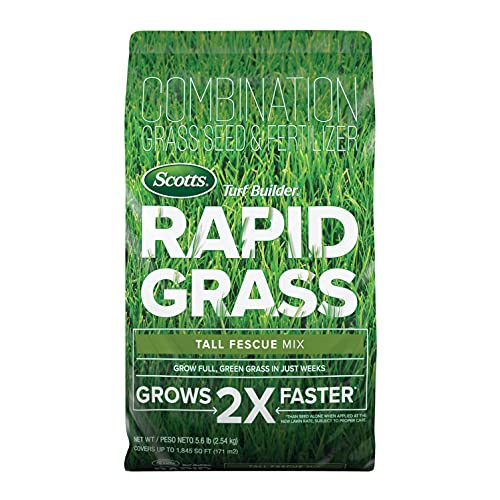
This Scotts blend combines fast-growing tall fescue with lawn food, delivering rapid establishment that can bring full, green turf in just weeks. Marketed as a seed-and-fertilizer solution, it is designed for overseeding large problem areas or establishing new grass. The mix aims to balance quick germination with deeper root development, helping lawns resist drought and heat after establishment. Shade suitability is supported by tall fescue’s tolerance to partial shade, though results still depend on site conditions and ongoing care, including adequate moisture and regular mowing.
Prospects for shaded areas rely on proper seed-to-soil contact and consistent irrigation during the germination window. Proper mowing height and avoidance of excessive foot traffic during early growth improve establishment success. This product serves as a practical choice for homeowners seeking a consolidated seed-and-nutrition approach for mixed light environments.
Jonathan Green Black Beauty Dense Shade Lawn Seed

The Black Beauty Dense Shade mix prioritizes shade tolerance with a focus on a dark-green, dense turf. Designed for lawns shaded by trees, buildings, or other structures, this cool-season blend typically germinates within 14–21 days and establishes quickly. Endophyte-enhanced seeds may improve pest resistance and stress tolerance, supporting a resilient lawn in areas with limited sunlight. This option targets a rapid, uniform emergence and a rich, deep green color that remains appealing under varying shade conditions.
When selecting this blend, consider soil quality and moisture availability. Dense shade conditions can increase moisture retention needs, and user preferences for color depth may influence mowing and fertilization schedules. Proper seed-to-soil contact and initial watering practices are essential for timely germination and robust establishment.
Scotts PatchMaster Lawn Repair Mix Sun + Shade Mix

Scotts PatchMaster is designed for repairing bare spots and providing an all-in-one repair solution. The blend includes mulch to improve moisture retention and seed to jump-start growth, with a focus on sun and shade adaptability. It starts to grow in as little as seven days and provides fertilizer as part of the mix for up to six weeks of feed. The recycled mulch helps keep seeds moist and in place during establishment, offering a practical option for patching irregular lawn areas affected by foot traffic or shade variations.
For best results, prepare the patch area by removing debris and tamping the soil lightly. Apply PatchMaster evenly, keep the area moist, and avoid heavy traffic until new turf is established. Shade considerations are supported by the mix’s sun-and-shade design, though detailed site assessment remains important for optimal success.
X-Seed Pet Proof Fescue Grass Seed

The Pet Proof Fescue blend prioritizes urine resistance and high-traffic durability, making it suitable for lawns with pets or heavy foot traffic. This fast-germinating mix suits cool-season climates and thrives in both sun and shade. The design emphasizes dense, uniform growth with year-round color, supporting resilience in areas where dogs or other pets frequent. It uses tall fescue and perennial ryegrass to create a hardy turf that remains visually appealing even under challenging light conditions.
Consider maintenance implications such as pet-waste management, irrigation scheduling, and seasonal mowing. A balanced approach to fertilization and appropriate watering helps sustain color and density through temperature fluctuations. This option provides a practical, durable solution for shaded lawns that see regular use by pets or children.
Buying Guide: Key Purchase Considerations for Shade-Tolerant Lawns
- Shade tolerance: Look for blends labeled as “dense shade” or “sun and shade” to ensure performance under limited light. Consider the proportion of fine fescues, which are generally more shade-tolerant, versus quick-establishing ryegrasses.
- Germination speed: Quick-germinating mixes reduce the window of bare soil and improve early establishment. Check stated germination times and recommended watering schedules.
- Soil and irrigation needs: Some blends include seed-and-fertilizer formulations that help establish in poorer soils, while others require a separate nutrient plan. Consistent moisture during the first 2–4 weeks is critical for successful germination.
- Traffic and pet considerations: If the lawn experiences high foot traffic or pet activity, choose blends with high durability and urine resistance to minimize damage and patching.
- Maintenance needs: Evaluate mowing height recommendations and long-term fertilization requirements. Shade-tolerant grasses may require different feeding schedules than full-sun blends to maintain density and color.
- Climate compatibility: Cool-season blends generally perform best in temperate regions with distinct seasons. In warmer regions, select blends designed for summer shade tolerance and heat resilience.
- Application method: Some products are designed for direct seeding, while others are seed-plus-fertilizer or patch-repair mixes. Match the product to your lawn’s current condition and restoration goals.
- Soil preparation: Proper soil prep, including dethatching, aeration, or topdressing, can significantly improve seed-to-soil contact and germination success in shady areas.