Double angel trumpet flowers bring lush, layered blooms and a dramatic evening fragrance to gardens and containers. The following selections highlight double or densely flowered Brugmansia varieties and other related angels trumpet plants, offering options for yards, patios, and shaded borders. Each cultivar is described with bloom style, growth habit, and cultivation tips to help you choose the best high-impact additions for your space.
| Product | Brand | Notable Feature | Growth Note |
|---|---|---|---|
| Pink Perfection or Perfektion | Emerald Goddess Gardens | Large, double, creamy rose to peach pink flowers | Tall upright shrub; partial shade; frost protection |
| Angels Gold Face Brugmansia | Emerald Goddess Gardens | Dense, double blooms; pale yellow to soft orange hues | Smaller overall size; partial shade; bloom-heavy |
| Versicolor Brugmansia | Emerald Goddess Gardens | Color-changing blooms from yellow to white to peach | Tall shrub; night fragrance; 4–6 hours light |
| Daybreak Brugmansia | Emerald Goddess Gardens | Large yellow flowers; light citrus scent at night | |
| Cherub Brugmansia | Emerald Goddess Gardens | Compact growth with abundant peach blooms | 8 ft mature; good for smaller spaces |
Note: All listed plants belong to Brugmansia, commonly known as angels trumpet, prized for their pendulous blooms and evening fragrance. Gardeners should provide bright, indirect light, well-draining soil rich in organic matter, and frost protection where appropriate. Moderate pruning and annual feeding help maintain bloom-heavy cycles across the growing season.
Pink Perfection Or Perfektion In Double Coral Range

Pink Perfection (Perfektion) is a registered Brugmansia hybrid producing tall, upright growth with textured green leaves and large 10–12 inch double, whiskered trumpets. Blooming is robust through the warm season, offering a creamy rose to peach pink palette. Night fragrance carries a light, slightly spicy citrus note. Growth is best in dappled afternoon shade with rich, well-draining soil. Regular, slow-release bloom-boosting fertilizer in spring supports ongoing flowering. Protect from frost.
Angels Gold Face Brugmansia: Dense Double Blooms

Angels Gold Face is a Brugmansia cubensis hybrid known for a compact, self-branching habit and abundant, double blossoms. Flowers start pale pastel yellow and deepen to soft pastel orange as they age, with a jasmine-like nighttime fragrance. The plant prefers partial shade and fertile, well-draining soil. Water deeply but avoid overwatering. Spring fertilization and post-bloom pruning help maintain size and vigor. Use architectural supports or trellising for best canopy structure.
Angels Trumpet Seeds: Yellow Blooms
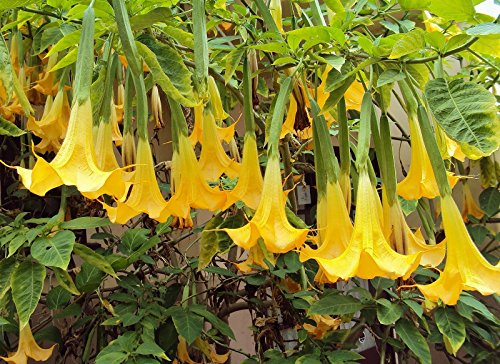
This seed set covers tropical Brugmansia suaveolens with pendulous yellow flowers. Plants can reach 8–12 inches in length when fully opened and favor full sun to partial shade with well-draining soil. Regular watering supports blooming, and plants can become large shrubs or small trees over time. Seeds offer a long-term, cost-effective approach for color and fragrance in outdoor spaces.
Versicolor Brugmansia: Tricolor Show

Versicolor is an old heirloom Brugmansia hybrid renowned for color-changing blooms that transition from yellow to white to peach. The tall, statuesque plant produces large, fragrant trumpet flowers that hang at about a 30-degree angle. Nighttime fragrance is a key feature. It adapts to dappled afternoon shade and thrives in rich, well-draining soil. Annual spring fertilization and light pruning keep flowering cycles consistent across warm seasons.
Mango Crush: Single Orange Brugmansia

Mango Crush features big, long-whiskered single flowers that open in pastel apricot yellow with green veining, maturing to mango orange. The plant grows around 12 feet tall with a full, branching habit and a strong fondness for warm nights. It emits a light nighttime fragrance and performs best in partial shade with well-drained, organic-rich soil. Prune after flowering to manage size and encourage branching.
Pink Angels Trumpet Seeds: Prolific Blooms

This seed set from Serendipity Seeds offers pink angels trumpet varieties that are frost-resistant and suitable for containers or outdoor plantings. Blooms profusely across much of the year, thriving in sunny to partially shaded locations. Seeds provide an approachable entry point for gardeners seeking frequent floral display and fragrance from Brugmansia in smaller garden spaces or larger landscapes.
Daybreak Brugmansia: Large Yellow Blooms

Daybreak is a Brugmansia hybrid suited for upright growth and a canopy around 10–12 feet tall. The large lemon-yellow flowers hang at about a 25-degree angle with a light citrus scent at night. Its broad foliage and bold color make it ideal as an overstory plant in shaded beds. Provide partial shade, rich soil, and consistent moisture. Prune lightly to maintain structure and encourage flowering.
Cherub: Compact Peach Brugmansia

Cherub is a dwarf Brugmansia hybrid notable for its compact form, maturing around 8 feet with numerous blooms along the branches. The petite peach-pink flowers with white throats emit a heady nighttime scent. Ideal for smaller spaces or container gardens, Cherub benefits from dappled light and rich, well-draining soil. Like other Brugmansias, avoid frost and provide timely feeding for strong flowering cycles.
Buying Guide: Key Purchase Considerations
- Bloom form and color: Double-flowered varieties like Pink Perfection and Angels Gold Face offer a lush display, while single blooms provide bold color in a dramatic fashion.
- Growth habit and space: Choose taller, arching canopies for borders or container-friendly, compact cultivars for smaller patios.
- Light and soil needs: Brugmansias prefer bright, indirect light and rich, well-draining soil with consistent moisture; avoid waterlogged conditions.
- Fragrance and pollinators: Nighttime fragrance attracts moths and other nocturnal pollinators, adding fragrance to evening outdoor spaces.
- Frost protection: Many Brugmansia varieties are sensitive to frost; plan for winter protection or seasonal indoor placement in cooler climates.
- Maintenance: Pruning after bloom cycles encourages branching and more flowers; use slow-release fertilizer in spring for best results.
- Seed versus started plants: Seed-grown plants reduce cost but may require longer establishment time; live plants provide immediate impact and faster flowering.