Finding the right deer food plot seeds for shady areas can be challenging, but several blends are designed to thrive with limited sunlight. The following selections emphasize shade tolerance, fast germination, and deer-attracting varieties. This guide compares blends that perform well in lower-light spots, helping you establish reliable food sources for deer across all seasons.
| Product | Shade Suitability | Key Benefit |
|---|---|---|
| HIT LIST SEED Shade Food Plot Seeds for Deer | High shade tolerance | Low sun conditions, fast germination |
| Shady Patch | All Year Deer Feeder | No till, shady spots | All-season forage mix, easy to establish |
| Whitetail Hill Bucks and Beards Food Plot Seed Mix | Shade tolerant | Multi-species mix for reliable attraction |
| Whitetail Institute Imperial Clover | Moderate shade tolerance | Antler-building protein-rich clover |
| Evolved Harvest 7 Card Stud | adaptable across regions | High-protein forage through seasons |
Note: All selections support deer attraction with blends that include clover, brassica, ryegrass, and other forage options. The right choice depends on your shade level, soil type, and how you plan to manage the plot throughout the year.
HIT LIST SEED Shade Food Plot Seeds for Deer

This blend combines Ladino Clover, Forage Brassica, and Annual Ryegrass, forming a robust mix for low sun conditions. The seeds are described as nutrient-dense and deer-preferred, supporting rapid establishment for both beginners and experienced plot managers. The quick germination helps farmers or landowners fill shade pockets with attractive forage sooner in the season, providing a steady food source across spring, summer, and fall.
Shady Patch | All Year Deer Feeder

No-till friendly seed mix designed for shady spots, featuring Forage Brassica, Forage Rye, Forage White Clover, and Forage Rape. The all-season blend aims to attract deer year-round while requiring minimal disturbance, making it suitable for limited sunlight areas where plot setup is kept simple. Reviewers highlight ease of use and reliable deer visitation from late summer through fall.
Whitetail Hill Bucks and Beards Food Plot Seed Mix

This mix is marketed for deer and turkeys and emphasizes shade tolerance with a combination of clovers, chicory, and cereal grains. The blend targets two goals: creating a diverse, year-round attraction and providing forage that can thrive in partial shade. It’s designed for plots spanning a quarter to two acres, offering flexibility for different property sizes and shade levels while maintaining high deer appeal.
Whitetail Institute Imperial Clover Deer Food Plot Seed

Imperial Clover is a staple for deer plots, especially where spring or fall planting is feasible. The seed is described as heat, cold, and drought tolerant with antler-building potential for bucks and improved forage for does and fawns. Its tolerance to a range of conditions makes it a practical option for lighter shade areas that still receive some sun during parts of the day, enhancing long-term site productivity.
Evolved Harvest 7 Card Stud Adaptive Food Plot Seed

The 7 Card Stud blend provides a high-protein mix with oats, clover, chicory, turnips, and radishes designed for broad-season forage. Its adaptive nature suits various climates and soils, enabling year-round deer traffic in shaded plots where other species may struggle. The combination aims to deliver sustained nutrition and attract deer across different hunting windows.
Evolved Habitats Throw & Gro X-treme with Radish
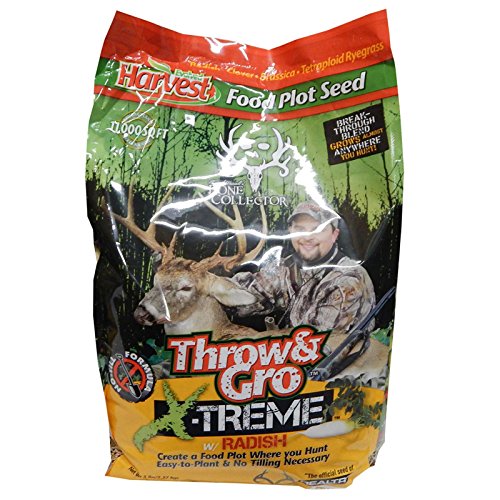
Designed for easy planting and rapid establishment, this mix includes radish as a fast-growing forage component. While not explicitly labeled as shade-specific, its simple, no-till approach helps establish productive plots in challenging light conditions. The product is marketed as made in the United States, aligning with typical quality expectations for wildlife planting seeds in regional settings.
Biodiversity-Focused Options for Shade
When managing shade, consider blends that combine clover with brassicas or chicory to balance nitrogen fixation with palatability. Mixed forage improves resilience to sun gaps and helps sustain throughput during cooler periods. Monitor germination rates and adjust planting density to accommodate the light profile of your site, ensuring deer are drawn to the forage across seasons.
Buying Guide: Key Purchase Considerations
- Shade tolerance: Choose blends explicitly marketed for low light or shade to maximize germination and growth in your plot.
- Seasonal coverage: Look for mixes that provide forage in multiple seasons to maintain consistent deer attraction.
- Soil conditions: Consider soil type and drainage; some blends perform better in heavier or lighter soils. Soil testing helps tailor amendments.
- Maintenance level: No-till and easy-to-plant options save time in shaded areas with limited sunlight and damp soil.
- Protein and minerals: High-protein components like clover and chicory support antler growth and herd health, especially in cooler months.
- Plot size and layout: Match seed mix to your plot size (quarter acre to several acres) and plan for rotation or succession planting to avoid nutrient depletion.
- Germination speed: Faster-germinating blends help establish a quick food source in early seasons when shade may slow growth.
In selecting a shade-friendly deer food plot seed, prioritize blends with proven performance in low-light conditions, diverse forage for sustained attraction, and planting methods that suit your land. The right mix can transform a shaded corner into a reliable deer magnet, supporting both hunting objectives and wildlife habitat goals.