For reliable access to groundwater without electricity, deep water hand pumps provide a simple, durable solution. This guide highlights five well-reviewed models, focusing on depth range, material quality, and ease of installation. Each product ships with robust build features designed for long-term outdoor use. Read on to compare options and find the best hand pump for your well, garden, or emergency kit.
| Product | Brand | Max Lift / Depth | Material | Key Benefit |
|---|---|---|---|---|
| Locci Manual Well Pump | Locci | Up to 26 ft | Stainless Steel | Food-grade safe, high yield |
| VEVOR Well Hand Pitcher Pump | VEVOR | Up to 25 ft | Cast Iron | Antique look, sturdy build |
| Earthstraw 100ft Ready Kit | Flojak | 10–100 ft | Corrosion-resistant materials | All-in-one emergency system |
| Ready American Made Coil Manual Deep Well Pump | Flojak | 50 ft | Stainless Steel | Non-electric, portable |
| Plus American Made Stainless Steel Manual Pump | Flojak | Up to 100 ft | Stainless Steel | Lifetime warranty, deep-well capable |
The selections below cover a range of depths, materials, and installation needs—from stainless steel for clean water reliability to classic cast iron for decorative yet practical outdoor use. Each product section provides a concise overview, visuals, and core features to help you decide quickly.
Locci Manual Well Pump: Stainless Steel Deep Well
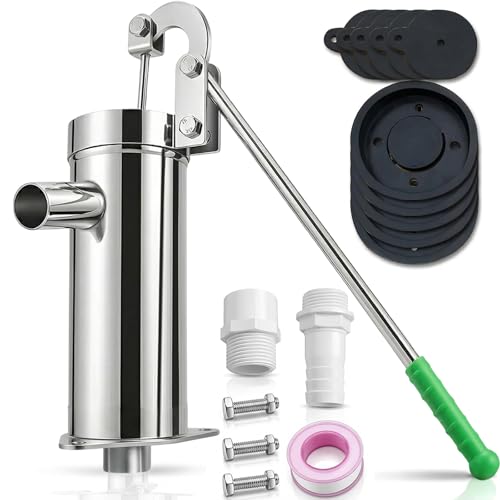
The Locci manual pump is constructed from 100% stainless steel, delivering a durable and food-grade safe water source. Its design allows a scientific handle length and straightforward up-and-down pumping to discharge well water efficiently. Best results are reported for wells no deeper than 26 feet, making it suitable for shallow-to-moderate groundwater scenarios.
Key features emphasize durability and safety: a solid handle, precise welding, and lead-free materials. The pump aims to minimize contamination risk while providing dependable water flow in home, garden, or yard settings. With stainless steel construction, maintenance remains low and longevity is prioritized for routine off-grid use.
VEVOR Well Hand Pitcher Pump — Classic Cast Iron
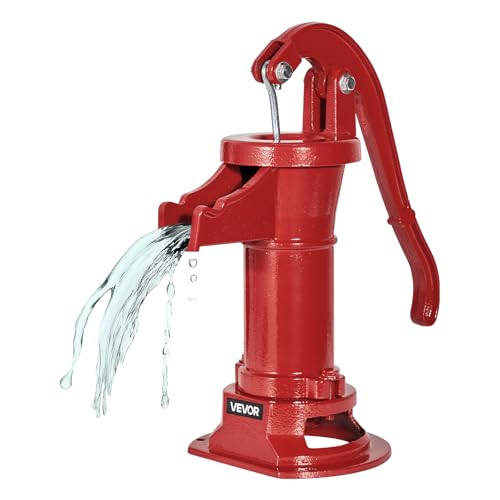
VEVO R’s hand pitcher pump blends a timeless vintage look with practical performance. Designed for shallow wells or well points, it can lift water from depths up to 25 feet. The cast iron construction features a rust-resistant coating for outdoor resilience, and the thickened pipe handles up to 20 pounds of hammer impact—helpful in varied outdoor conditions. Installation is straightforward, and no electricity is required to operate, providing a reliable option for gardens, ponds, or farms.
Earthstraw 100ft Emergency Backup Kit

This all-in-one emergency manual well system is designed for backup water access with a 100-foot setup. The kit includes a 100-foot pump, adjustment components, casing clamp with gripper nut, and a protective cover to keep the well clean. It facilitates water draw from depths between 10 and 100 feet without electricity, making it suitable for off-grid living and disaster preparedness. A rugged, corrosion-resistant build is paired with a lifetime warranty to bolster long-term reliability.
Ready American Made Coil Manual Deep Well Pump
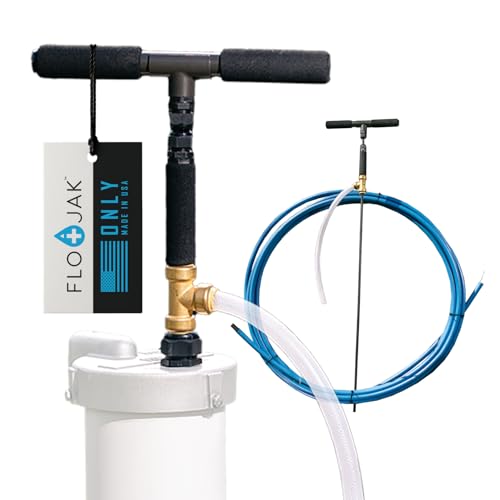
This Flojak model emphasizes a non-electric, back-up water pump kit designed for easy installation and quick deployment. The coil-based deep-well mechanism is intended for rapid access to well water, offering a compact, portable solution for off-grid or rural use. A lifetime warranty underlines its durability and confidence in performance, especially in emergency scenarios or temporary setups where electricity is unavailable.
Plus American Made Stainless Steel Manual Pump
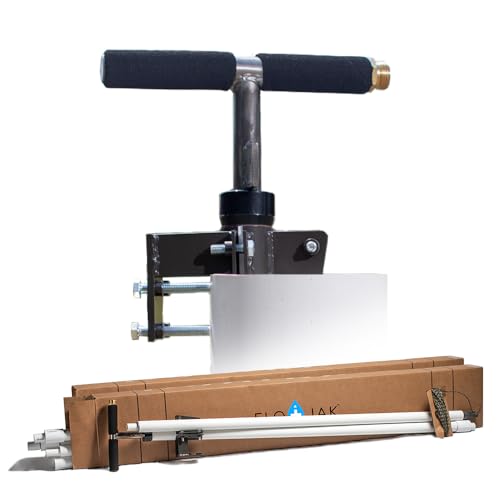
This stainless steel model is built to last with a deep-well capability up to 100 feet. It features an ergonomic handle designed for ease of operation across ages and skill levels. The build emphasizes corrosion resistance and long-term reliability, complemented by a lifetime warranty. It is suitable for emergency use, rural properties, or off-grid homes requiring dependable, electricity-free water access from deep sources.
Buying Guide: Key Considerations For Choosing A Deep Water Hand Pump
- Depth compatibility: Match pump lift capacity with your well depth. Some models handle 10–25 feet, others up to 100 feet. Consider future well depth changes or seasonal water level fluctuations.
- Material quality: Stainless steel offers clean water benefits and corrosion resistance, while cast iron provides classic durability and outdoor robustness. Evaluate food-grade safety and potential lead concerns.
- Installation and maintenance: Look for kits with straightforward assembly, clear instructions, and parts availability. Durable seals, hoses, and foot valves reduce maintenance needs.
- Portability and storage: For emergencies or seasonal use, lighter pumps with compact storage may be desirable. Consider whether the kit includes carrying options or protective housings.
- Ambience and aesthetics: Outdoor spaces may benefit from vintage or decorative designs that blend with gardens or yards while remaining fully functional.
- Warranty and support: Lifetimes warranties and robust customer support enhance long-term peace of mind, especially for off-grid setups.
- Water quality considerations: For safe drinking water, prioritize stainless steel construction and food-grade components to minimize contaminants.
- Emergency readiness: If planning for power outages, evaluate the kit’s readiness, ease of use, and whether it supports rapid deployment without tools.
When evaluating options, compare not only the maximum lift depth but also the reliability of the seal systems, the ease of disassembly for cleaning, and the availability of replacement parts. A deep-well hand pump that suits your depth, climate, and day-to-day needs will differ from one household to the next, so consider both routine use and potential emergencies in your decision.