Decorative raised garden beds blend style with function, making it easy to grow vegetables, herbs, and flowers in patios, balconies, and spacious yards. The following selections emphasize durable materials, easy assembly, and modular layouts to fit many spaces. This guide compares five popular options to help you choose the right raised bed for your outdoor area.
| Product | Brand | Size / Capacity | Key Benefit |
|---|---|---|---|
| Yaheetech 8×2ft Divisible Bed | Yaheetech | 95 x 25 x 11 in; two growing areas | Two growing zones with removable divider |
| GYMHILL Elevated Bed with Legs | GYMHILL | 43.31″ L x 17.72″ W x 33.66″ H | Self-watering with storage shelf |
| DUMOS Raised Bed with Legs | DUMOS | 48 x 24 x 30 in | All-wood construction with bed liner |
| G GOOD GAIN 3-in-1 Kit | G GOOD GAIN | Various: 4x2x1 ft, 3x3x1 ft, 5x1x1 ft | Modular galvanized steel system |
| Yaheetech 3 Tier Raised Bed | Yaheetech | 47 x 47 x 22 in | Three-tier expandable growing zones |
style=”margin-top:20px;”>Introduction to Top Picks
Choosing the right decorative raised garden bed involves evaluating material durability, height for ease of use, drainage, and the layout that best fits your space. The featured products range from wooden elevated beds to galvanized steel options, and from fixed designs to fully modular kits. Each option aims to maximize growing space while offering practical features like built-in shelves, removable dividers, or easy assembly.
style=”margin-top:20px;”>Yaheetech 8×2ft Divisible Raised Bed

This Yaheetech garden bed is split into two growing areas, with a removable divider to convert to a larger single bed as needed. The two-section design provides flexible planting methods, ideal for herbs in one side and vegetables in the other. It is crafted for outdoor patios, backyards, and greenhouses, with straightforward assembly using heavy-duty screws and connection pieces. The natural wood finish adds a classic, rustic touch to outdoor spaces.
Key considerations
Pros include adaptable space for different plant types and simple setup. The wood construction affords a traditional appearance but requires regular maintenance to resist moisture over time. The divider can be removed to create a single, larger bed for deeper root growth.
style=”margin-top:20px;”>GYMHILL Elevated Raised Bed With Legs

GYMHILL’s raised bed stands taller to reduce bending and kneeling, featuring a self-watering system and a storage shelf underneath. Measuring about 43 inches long by 17 inches wide and 33.7 inches high, it fits compact spaces like balconies while still offering ample planting area. A built-in drainage plug helps regulate moisture levels, and the under-shelf space provides a convenient spot for pots, soil, and gardening tools.
Key considerations
Pros include ergonomic height, space efficiency, and integrated storage. Cons may include higher initial cost and need for sturdy flooring to support the elevated weight. The self-watering feature helps maintain consistent moisture, which supports healthy plant growth in hot climates.
style=”margin-top:20px;”>DUMOS Raised Bed With Legs

The DUMOS bed emphasizes an all-wood construction with a bed liner for added moisture management and longevity. Offering about 4.4 cubic feet of planting space, this raised bed is designed for herbs, flowers, and vegetables in patios, backyards, or balconies. Proper drainage holes and gaps support healthy root development and prevent water stagnation, while weather-resistant fir wood provides durability in varying climates.
Key considerations
Pros include natural wood aesthetics and a durable liner option. The all-wood approach requires periodic sealing or staining to maintain appearance and withstand weather. The liner helps with moisture control but may need replacement over time as the wood expands and contracts.
style=”margin-top:20px;”>G GOOD GAIN 3-in-1 Adjustable Raised Bed Kit

This galvanized steel system offers nine configurations across three sizes, enabling highly customizable layouts to fit tight spaces or expansive patios. The kit emphasizes rust resistance and durable, leak-free construction. Safety features include smooth edges and a rubber strip to prevent cuts, making it suitable for families with children and pets. The clamp-and-bolt assembly is designed for quick setup and sturdy performance in sun exposure.
Key considerations
Pros include long-term durability, modular flexibility, and low maintenance for metal beds. Potential drawbacks are higher weight and the need to protect metal surfaces from scratches or dents during assembly and relocation. It’s well-suited to modern or industrial-themed outdoor spaces.
style=”margin-top:20px;”>Yaheetech 3 Tier Raised Bed
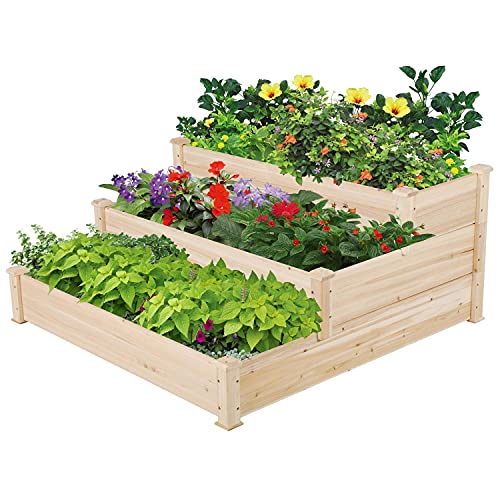
This wooden, three-tier bed provides multiple growing zones in a compact footprint. Each tier is connected with wood plugs, enabling easy transformation into three separate beds of varying sizes if needed. The design emphasizes spacious soil capacity and ample root room, supporting healthy plant development for vegetables, herbs, and ornamentals on your patio or garden.
Key considerations
Pros include flexible configuration and increased growing area without taking up excessive space. The wood construction requires periodic maintenance, and the tiered design may require careful leveling on uneven ground. It’s ideal for gardeners who want to experiment with different plant arrangements.
style=”margin-top:20px;”>Buying Guide: What To Consider When Choosing a Decorative Raised Garden Bed
- Material durability: Wood provides a classic look and natural insulation but requires upkeep against moisture; galvanized steel lasts longer with minimal maintenance but has a modern aesthetic.
- Height and ergonomics: Taller beds reduce bending, beneficial for long gardening sessions; ensure the base and feet are sturdy for your surface.
- Drainage and soil depth: Look for beds with adequate drainage holes and sufficient soil depth to support root growth for your target plants.
- Modularity vs. fixed design: Modular kits offer layout flexibility but may require more assembly time; fixed beds are simpler and sometimes more affordable.
- Assembly and hardware: Check for corrosion-resistant hardware, clear instructions, and whether posts or brackets come with the kit.
- Maintenance: Wood beds often need sealing or staining every few years; metal beds may require rust spot management and occasional repainting.
- Space and placement: Measure your site to ensure the bed fits and considers sun exposure, wind, and access for watering and harvesting.
- Weight and transport: Large beds can be heavy when filled with soil; plan for multiple people or tools to move and install.
- Cost of ownership: Initial price varies by material and size; consider long-term durability, replacement parts, and soil cost.