Pond care balances algae control, sludge removal, and safe conditions for fish. This guide highlights five pond-cleaning products that target algae, sludge, and clarity while prioritizing aquatic safety. Each option uses proven biology or mechanical clarifiers to improve water quality without harming fish or wildlife.
Summary of selected products
| Product | Brand | Key Benefit |
|---|---|---|
| API POND ALGAEFIX | API | Eliminates green water and various algae |
| API POND ACCU-CLEAR | API | Clarifies cloudy water by clumping particles |
| API POND-ZYME SLUDGE DESTROYER | API | Breaks down fish waste and pond sludge with natural ingredients |
| Muck Removal-4.1LB | ROTIAH | Breaks down muck and organic pollutants;-safe for fish |
| Crystal Blue Natural Pond Cleaner | Crystal Blue | Natural bacteria, muck removal, nitrates/phosphates management |
API POND ALGAEFIX Algae Control

API POND ALGAEFIX comes in a 32-ounce bottle and targets a broad range of algae, including green water, string algae, and blanketweed. This algae control solution helps maintain clear ornamental ponds and water gardens by reducing algae blooms that can suffocate fish and disrupt oxygen balance. Although powerful, it is designed to minimize stress on fish while delivering visible results across typical pond sizes.
API POND ACCU-CLEAR Pond Water Clarifier
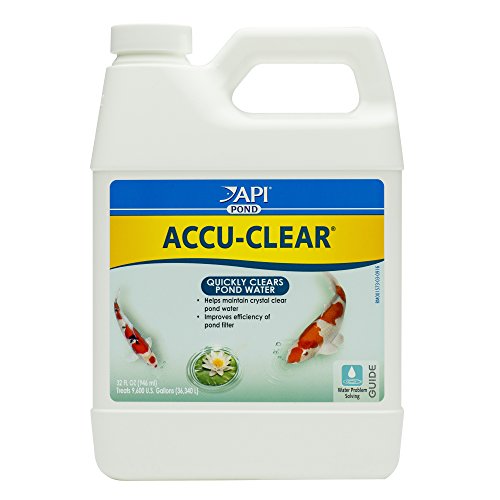
API POND ACCU-CLEAR is a 32-ounce clarifier that collects fine particles, dirt, and silt into larger clusters for easier filtration. By improving clarity, it reduces fouling on surfaces and helps maintain better water quality for fish and plants. It’s particularly useful during start-up, after heavy rains, or when routine maintenance is challenging.
API POND-ZYME SLUDGE DESTROYER

API POND-ZYME SLUDGE DESTROYER uses natural pond bacteria and barley to break down fish waste and sludge. The product aids in reducing dead algae and digesting leaves, grass clippings, and other debris that accumulate at the pond bottom. This option supports ongoing ecological balance by introducing beneficial microbes that work with existing pond life without harsh chemicals.
Muck Removal-4.1LB Natural Pond Cleaner

This muck removal product from ROTIAH focuses on organic waste, including decaying leaves, fish waste, and other bottom pollutants. It dissolves muck, improves water quality, and acts as a clarifier by allowing filtration systems to operate more efficiently. It claims eco-safety around fish, pets, and plants, supporting safe, long-term pond health.
Crystal Blue Natural Pond Cleaner

Crystal Blue Natural Pond Cleaner emphasizes safe, natural bacteria that break down muck and dead vegetation while helping to neutralize nitrates and phosphates. It’s designed to support a healthy bacterial balance, which promotes clearer water, reduced odors, and a more stable pond ecology without harsh chemicals.
Buying Guide: Key Purchase Considerations For Safe, Effective Pond Cleaning
Choosing the right pond cleaner depends on pond size, current water quality, and your priorities—whether eliminating algae, clarifying water, or reducing sludge. The following considerations help compare options across safety, efficiency, and how they interact with fish and plants.
- Targeted problem: Algae control versus sludge removal. If green water is the main issue, algae-focused products like Algaefix may be preferred. For bottom muck and organic debris, sludge-focused products can be more effective.
- Safety for fish and wildlife: Look for products explicitly labeled as safe for fish, with natural bacteria or non-harsh chemistry. Avoid products with sudden, drastic chemical changes that stress fish.
- Active ingredients: Beneficial bacteria-based products quietly support natural breakdown of waste, while clarifiers work by aggregating particles for filtration. A combination approach can cover multiple needs.
- Pond size and dosage: Read label recommendations to avoid overuse. Over-application can disrupt the biological balance and impact aquatic life.
- Water chemistry considerations: Some products reduce nitrates or phosphates indirectly by promoting beneficial bacteria. Monitor ammonia, nitrite, and pH after treatment.
- Filter compatibility: Clarifiers and bacteria-based cleaners often pair well with mechanical and biological filters. After treatment, allow your filtration system to run continuously for best results.
- Environmental impact: Prefer products that are biodegradable and designed for outdoor use in natural settings. Consider local wildlife and plant life when applying treatments.
- Maintenance rhythm: Regular, moderate treatments can maintain clarity and reduce muck buildup, rather than relying on a single aggressive dose.
- Seasonal considerations: Algae growth can vary with sunlight, temperature, and rainfall. Plan treatments around seasonal changes for consistent results.
- Observability: Choose products with clear indicators of effectiveness (water clarity, reduced odors, easier debris removal) to gauge ongoing needs.
How to combine products responsibly
For a balanced approach, consider pairing a clarifier with a natural bacteria-based cleaner. Use algae control carefully to prevent sudden die-offs that could temporarily elevate ammonia. Always follow label directions and monitor pond conditions before and after application. If you notice persistent water problems, adjust filtration, aeration, or partial water changes to support the ecosystem.