For American backyard bird lovers, a well-chosen roosting box can offer safe shelter during harsh winters and provide reliable roosting spaces for a variety of small species. The following selections emphasize insulation, predator protection, and durable construction designed to endure outdoor conditions. Each option has features tailored to winter roosting and year‑round use, helping birds stay healthy and active in your yard.
| Product | Key Benefit | Material | Country Of Origin |
|---|---|---|---|
| Horizontal Winter Roost Bird House – Insulated 1″ Pine Roosting Box | Group roosting for warmth | 1″ pine | USA |
| Convertible Winter Roost & Birdhouse | 2‑in‑1 utility for roosting and nesting | 1″ pine | USA |
| Nature’s Way CWH3 Cedar Bluebird Box | Rot-resistant cedar, good ventilation | Cedar | USA |
| Woodlink Cedar Winter Roosting/Shelter Box | Protection from wind, rain and predators | Red cedar | USA |
| SISTERBIRD 2 Pack Cedar Bird House With Copper Guard | Copper predator guard, Cedar construction | Cedar | USA |
Horizontal Winter Roost Bird House: Insulated 1″ Pine

The Horizontal Winter Roost Bird House from Coveside features a spacious interior designed for group roosting, allowing small birds to huddle together for warmth during cold nights. Its dual dowels support multiple occupants, optimizing warmth retention without restricting movement. The entrance is protected by a slate predator guard, reducing the likelihood of damage from squirrels or woodpeckers and helping ensure safe shelter year‑round. Crafted from sustainably grown 1″ thick Eastern White Pine, it offers solid insulation and durability for outdoor use.
Key benefits include roomy interior space for small birds such as chickadees, wrens, nuthatches, titmice, and similar species. The pine construction provides natural insulation, while the predator guard adds an important layer of security against common backyard threats. The box is designed for long‑term outdoor exposure, with attention to enduring performance in winter weather.
Convertible Winter Roost & Birdhouse
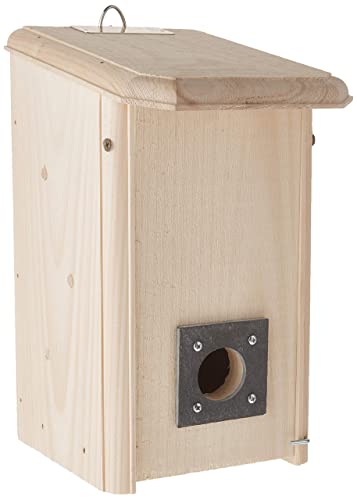
This 2-in-1 roost and nesting box from Coveside offers a practical approach to seasonal needs. In winter, it functions as a cozy roost with perches and a bottom vent slot for warmth and airflow. When spring arrives, flip the reversible front panel and remove perches to convert into a nesting box, supporting breeding activity. The 1″ thick Eastern White Pine provides reliable insulation against winter winds and cold nights, while the straightforward design makes cleaning and maintenance manageable for homeowners.
By enabling a simple transition from roost to nest, this model covers year‑round bird housing requirements. It supports seasonal needs without requiring multiple separate structures and aligns with backyard setups seeking flexible, durable solutions for avian guests.
Nature’s Way CWH3 Cedar Bluebird Box

The Nature’s Way CWH3 Cedar Bluebird Box uses rot‑resistant premium cedar and rust‑free stainless‑steel hardware, emphasizing durability and long life in outdoor settings. Its design includes air vents to optimize ventilation for bird health, reducing moisture buildup and overheating. A clean‑out door allows easy access for periodic cleaning, helping maintain hygiene and reducing disease risk. Cedar wood naturally resists decay and provides an attractive, robust home for bluebirds, chickadees, wrens, and similar cavity nesting species.
This option prioritizes airflow and easy maintenance, two critical factors for healthy roosting and nesting. The combination of cedar construction and thoughtful hardware makes it suitable for yards that want a low‑maintenance, durable birdhouse that still supports winter roosting when needed.
Woodlink Cedar Winter Roosting/Shelter Box
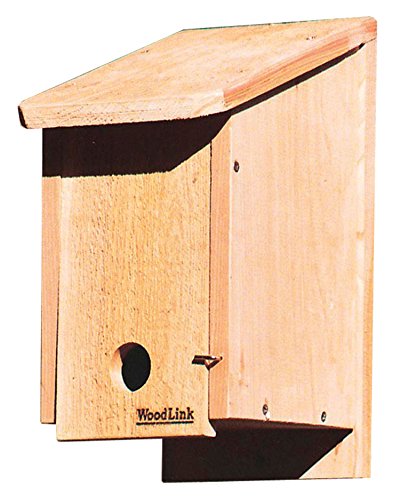
Woodlink’s Cedar Winter Roosting/Shelter Box emphasizes protection for smaller songbirds during cold months. It features a 1‑5/8 inch entrance hole, a design focused on shielding inhabitants from predators, rain, snow, and harsh winter winds. Kiln‑dried inland red cedar and robust assembly with screws contribute to long‑lasting outdoor performance. This box aims to deliver a simple, effective winter roosting solution that can withstand typical backyard weather while providing secure nesting opportunities when needed.
For yards prioritizing predator resistance and durable cedar construction, this model offers a straightforward roosting option that balances protection with ease of use and maintenance during winter seasons.
SISTERBIRD 2 Pack Cedar Bird Houses With Copper Guard

The SISTERBIRD pair of cedar bird houses includes copper predator guards around the entrance holes. Built with untreated, unpainted cedar, these boxes emphasize natural materials and a rough surface that can help birds grip and enter more easily. Interior grooves and small ladders assist fledglings in leaving the nesting box, making these homes friendlier to young birds during the nesting season. The cedar construction is durable and weather‑resistant, designed to endure year‑round outdoor exposure while remaining bird‑friendly.
The copper guards contribute an important level of predator deterrence, which can be valuable in yards with persistent raccoon or squirrel visitors. The 1-1/2 inch entrance hole size supports bluebirds and similar species while helping to keep out unwanted occupants.
SISTERBIRD Cedar Bird House With Copper Guard (Alternate Listing)

This SISTERBIRD design mirrors the copper guard and cedar construction of the paired set, offering a single unit option for those who want an additional cedar roosting home. The 1-1/2 inch entrance hole is sized to attract a desirable mix of bluebirds, wrens, tree swallows, chickadees, and related species. Cedar remains a core material due to its natural resistance to decay and its ability to withstand outdoor conditions without sacrificing interior comfort for the birds.
Like the 2‑pack version, this box emphasizes predator deterrence, robust materials, and bird‑friendly interior design, supporting year‑round use in American backyards.
Buying Guide: Key Purchase Considerations
Choosing the right roosting box involves balancing insulation, predator protection, materials, and ease of cleaning. Consider the climate in your area and the bird species you hope to attract. Predator guards, entrance hole size, ventilation, and cleaning access all influence long‑term success. Cedar is prized for durability, while pine offers cost‑effective insulation. Multi‑use designs can provide flexibility across seasons, though single‑purpose roosts may deliver stronger winter performance.
Important considerations include the size of the interior, the number of roosting spaces, and whether the box supports easy cleaning via a front or side access panel. Predator protection, such as copper guards or sturdy guards around the entrance, helps reduce nest predation. Proper mounting height, orientation (facing away from prevailing winds), and placement in a sheltered area also impact occupancy and longevity.
When comparing options, assess maintenance requirements, material sustainability, and whether the box is designed to support fledglings and early nesters. A well‑planned setup with appropriate housing can encourage longer visits from bluebirds, chickadees, wrens, and other cavity‑nesting birds, contributing to a healthier local ecosystem.