Milkweed plants are essential for monarch butterflies and a healthy pollinator garden. This guide highlights five top Amazon picks that help you attract monarchs, support biodiversity, and provide nectar and host foliage. Explore diverse seed and live plant options to suit beginners and seasoned gardeners alike.
| Product | What It Delivers |
|---|---|
| Seed Needs Milkweed Seeds (5 Packs) | Five varieties for a robust, attractant butterfly garden |
| Gardeners Basics Milkweed Seeds (4 Variety Pack) | Four milkweed types to diversify nectar sources |
| Butterfly Milkweed Seeds (Asclepias Tuberosa) 1 Pack | Showy orange blooms and monarch habitat support |
| Clovers Garden Asclepias Tuberosa Live Plants (2) | Two established live plants for quick addition |
| HOME GROWN Milkweed Seeds (5 Varieties) | Multiple native varieties for year-round bloom and habitat |
Seed Needs Milkweed Seeds For Butterfly Garden
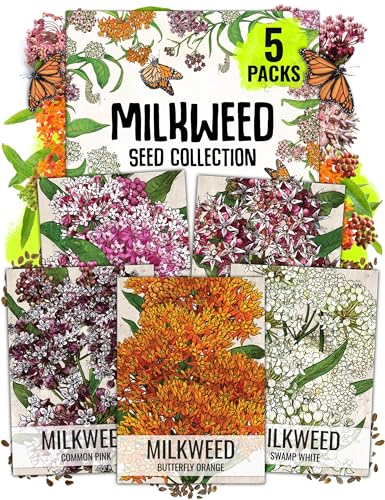
The Seed Needs collection includes five seed packets from popular milkweed varieties: Showy Milkweed, Pink Swamp Milkweed, White Swamp Milkweed, Orange Butterfly Milkweed, and Common Milkweed. This selection supports monarchs with both nectar sources and larval host plants, promoting biodiversity in a single package. Each variety contributes different bloom colors and growth patterns, enabling a resilient, multi-season pollinator garden.
Gardeners Basics Milkweed Seeds (4 Variety Pack)
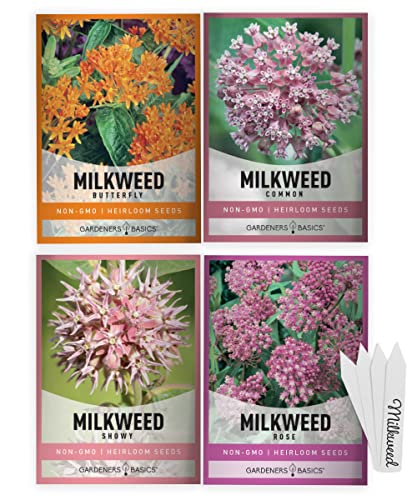
This four-variety seed pack contains rose, butterfly, common, and showy milkweed, offering a wide range of nectar resources and host plants for monarchs. The assortment supports diverse pollinator activity, helping to attract both butterflies and bees. Ideal for gardeners who want a structured yet varied start to a pollinator-friendly landscape.
Butterfly Milkweed Seeds For Planting (Asclepias Tuberosa)

Asclepias Tuberosa, or Butterfly Weed, features showy orange flowers that draw monarchs and other pollinators. The seed packet emphasizes cultivation guidance, stratification tips, and a broad range of wildlife benefits. Great for beginners and experienced gardeners seeking a drought-tolerant, nectar-rich addition to wildflower mixes.
Clovers Garden Asclepias Tuberosa Live Plants (2)

Two large live plants in 4” pots provide an immediate monarch-friendly presence in your garden. These non-GMO, pesticide-conscious plants feature tall, orange blossoms that attract pollinators and offer dense foliage for caterpillars. They fit well into borders, beds, or container setups, delivering quick impact with minimal waiting.
2 Butterfly Milkweed Plants Live (YOKEBOM)

Two live milkweed plants from YOKEBOM provide a ready-to-grow option for outdoor planting with a height advantage for visual appeal. They require full sun and well-drained soil. This selection supports monarchs with established host foliage and a steady supply of nectar for visiting pollinators throughout the growing season.
HOME GROWN Milkweed Flower Seeds (5 Varieties)

This seed assortment, featuring five heirloom varieties of common milkweed, supports monarch habitat and pollinator diversity. The seeds are described as easy to grow in full sun across zones 3–10 and promise back-to-back bloom cycles to sustain monarchs and other pollinators across seasons.
Buying Guide: Key Considerations For Milkweed Purchases
- Monarch compatibility: Look for host plants that monarch caterpillars feed on, such as Asclepias species, and nectar sources for adults.
- Plant form: Seeds offer long-term growth and cost efficiency, while live plants provide immediate impact but require more care.
- Variety selection: Mix species to cover different bloom times and attract a broader range of pollinators.
- Growing conditions: Consider sun exposure, soil type, and regional climate (zones 3–10 are common for milkweed).
- Maintenance needs: Some milkweeds tolerate drought, while others prefer regular watering; plan for ongoing pruning and seed collection if desired.
- Conservation impact: Native milkweed supports monarch survival; avoid non-native varieties that may spread aggressively in some regions.
- Seed treatment: Stratification or scarification can improve germination; follow product-specific instructions for best results.
- Garden design: Combine milkweed with nectar plants (e.g., nectar-rich perennials) to create a complete pollinator habitat.