Chicory seeds are a versatile addition for pollinator-friendly landscapes, livestock forage plots, and edible garden beds. This guide highlights five top chicory seed options for planting, covering growth habits, climate tolerance, and practical uses. Whether you want vibrant blue blooms to draw bees and butterflies or a hardy perennial for long-term wildlife habitat, these selections offer reliable performance across American gardens and fields.
style=”display:none”>Summary Table: Selected Chicory Seed Options
| Product | Brand |
|---|---|
| Seed Needs Chicory Seeds for Planting | Seed Needs |
| Outsidepride Chicory Seeds for Planting | Outsidepride |
| Antler Chicory Wildflower Seeds | Seeds2Go |
| Whitetail Institute Chic Magnet Deer Food Plot Seed | Whitetail Institute |
| Sow Right Seeds – Chicory Flower Seeds | Sow Right Seeds |
These selections represent a range of purposes—from ornamental blue blossoms that entice pollinators to forage-ready varieties for wildlife plots—while emphasizing drought tolerance and soil adaptability. Review the details below to find the best fit for your climate zone, soil conditions, and garden goals.
Seed Needs Chicory Seeds for Planting
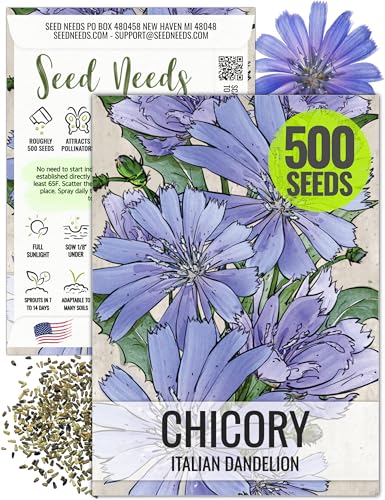
Chicory (Cichorium intybus) is a perennial herbaceous plant known for its striking sky-blue flowers that open in the morning and close by afternoon, earning it the nickname “blue sailors.” This variety grows 2-4 feet tall on a sturdy, branching stem with lance-shaped leaves and blooms from summer to fall. It attracts bees, butterflies, and other pollinators. The plant thrives in full sun and well-drained soil, tolerating poor, rocky conditions, making it a common sight along roadsides, fields, and disturbed areas.
Outsidepride Chicory Seeds for Planting
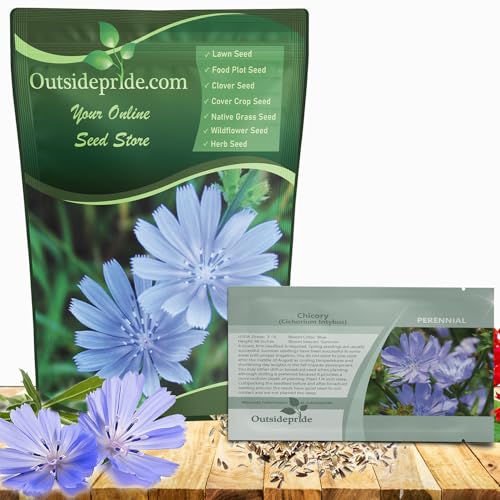
Vibrant pastel blooms and pollinator-friendly features define this chicory seed mix. The soft pastel blue flowers appear in the summer, attracting bees, butterflies, and other beneficial pollinators to gardens, pastures, and wildflower meadows. It is a hardy perennial suitable for USDA Zones 3–9, reaching up to 48 inches tall, offering vertical interest while reducing replanting needs. It tolerates drought and prefers full sun and well-drained soil with a pH around 5.5 or higher, providing forage for wildlife and livestock.
Antler Chicory Wildflower Seeds

This 1-pound pack of chicory seeds yields colorful blue blooms that reach up to 48 inches in height. Ideal for gardens, meadows, and roadside plantings, Chicory is also valued for its use in deer plots. It is easy to grow, attracts bees and butterflies, requires full sun, and is drought-tolerant with deep roots, making it a productive, perennial option for wildlife-focused landscapes.
Whitetail Institute Chic Magnet Deer Food Plot Seed
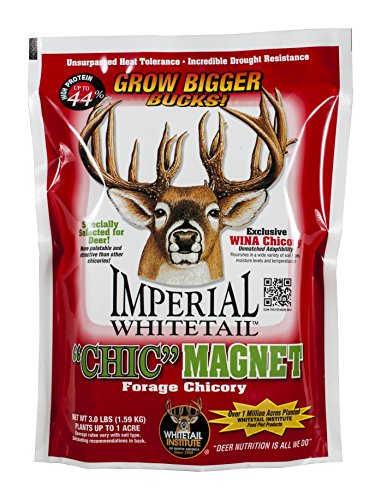
WINA-100 perennial forage chicory is notably tender and palatable to deer, offering up to 44% antler-building protein. It is coated with products to enhance seedling survivability and is among the most drought-tolerant options in its class. This seed mix supports robust wildlife habitat, heat and cold tolerance, and durable forage across varied conditions, making it a staple for deer food plots and wildlife plots.
Sow Right Seeds Chicory Flower Seeds

This non-GMO heirloom packet yields blue blooms, ideal for pollinators and decorative purposes. The seeds germinate in 10-14 days in optimal soil temperatures (65-75°F) with sun-soaked conditions. Plants grow 3-5 feet tall, making them a striking addition to gardens, borders, or cut flower beds. Leaves and roots have edible and forage uses, and the flowers attract bees and butterflies, supporting pollinator health.
Buying Guide: Choosing Chicory Seeds For Planting
Purpose: Define whether you want ornamental blue flowers for pollinators, forage for wildlife, or edible uses. Some varieties are better suited for persistent perennial beds, while others excel as annual or biennial plantings.
Climate and soil: Consider your USDA zone, soil drainage, and pH preferences. Chicory generally tolerates poorer soils and drought, but optimal growth occurs in well-drained soil with full sun. Perennial types may require longer-term planning in harsher climates.
Height and spread: Anticipate mature plant height (usually 2-4 feet, up to 48 inches for many varieties) and spread. This influences bed design, companion plants, and deer or wildlife accessibility.
Pollinator value: For garden health, prioritize varieties with abundant nectar-rich blooms that attract bees, butterflies, and other pollinators throughout the growing season.
Seed quality and seedling vigor: Source from reputable brands with clear germination guidance. Hybrid safety, non-GMO status, and germination rates affect long-term success.
Garden role: If the goal is wildlife habitat, evaluate forage quality, palatability to deer, or suitability as a cover crop. For edible crops, examine culinary or nutritional notes associated with the leaves, roots, or flowers.
Maintenance: Review drought tolerance, irrigation needs, and mowing or cutting tolerances. Some chicory varieties rebloom if pruned or trimmed, while others form a stable perennial stand with minimal maintenance.