Choosing the right live sand substrate is essential for stable pH, robust biological filtration, and a thriving reef ecosystem. This guide highlights five top live sand options that combine calcium-rich aragonite with natural bacteria to support reef health. Each product includes a quick snapshot of its standout benefits to help you compare at a glance.
| Product | Brand | Size | Key Benefit |
|---|---|---|---|
| Aqua Natural Oolitic Aragonite 10lb | Aqua Natural | 10 lb | High buffering; pure calcium carbonate |
| Carib Sea Arag-Alive Substrate Special Grade Reef Sand, 10 lb | Carib Sea | 10 lb | Contains beneficial bacteria for filtration |
| Carib Sea ACS00940 Ocean Direct Natural Live Sand, 40 lb | Carib Sea | 40 lb | Preserves real live sand with original bacteria |
| Carib Sea ACS00050 Aragonite Reef Sand, 40 lb | Carib Sea | 40 lb | Supports stable pH; reduces detritus |
| Aqua Natural Oolitic Aragonite 20lb | Aqua Natural | 20 lb | High buffering; pure calcium carbonate |
Below are five product sections with practical details to help you decide which live sand best fits your reef setup and maintenance routine.
Aqua Natural Oolitic Aragonite 10lb Sand

Aqua Natural Oolitic Aragonite 10lb provides unsurpassed buffering to maintain pH around 8.2, supporting a stable reef environment. The sand is 98% pure calcium carbonate with few impurities, which helps minimize unwanted chemical interactions. Sourced from a sustainable, renewable oolitic aragonite deposit, it is designed for healthy nitrification and natural buffering without frequent testing adjustments. This size is ideal for nano-reef and smaller setups or as a top layer for established tanks.
Carib Sea Arag-Alive Substrate Special Grade Reef Sand

This 10 lb package from Carib Sea combines substrate with millions of beneficial marine bacteria to support rapid biological filtration. It is suitable for most freshwater aquaria as well, but is particularly favored in reef and marine setups where live bacteria contribute to ammonia cycling and stable water chemistry. The product is designed to help jump-start a healthy biofilter while providing a natural aragonite base for coral attachment and reef stability.
Carib Sea ACS00940 Ocean Direct Natural Live Sand

This 40-pound bag preserves real live sand with its own original bacteria, enabling a balanced microbial community in marine aquariums. It supports various life forms across all stages of reef development. The substantial bag size makes it a practical option for mid-to-large setups requiring live sand that contributes to natural nutrient cycling and stable filtration parameters over time.
Carib Sea ACS00050 Aragonite Reef Sand
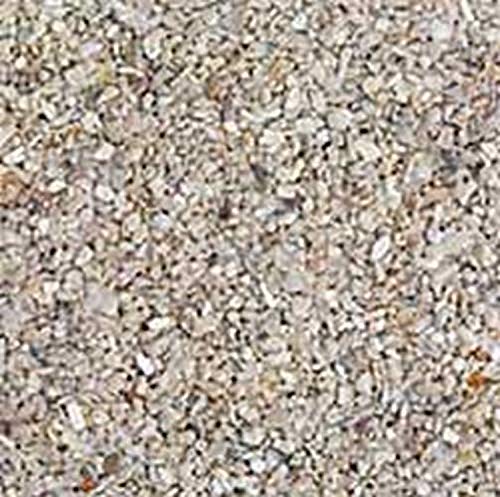
Aragonite Reef Sand from Carib Sea is designed to support stable pH in marine and hard water freshwater aquariums. Its 100% aragonite composition helps buffer acidity while promoting natural biological processes. This substrate has a grain size that reduces detritus buildup, contributing to cleaner water and less maintenance over time, which can be beneficial for reef health and coral growth.
Aqua Natural Oolitic Aragonite 20lb Sand
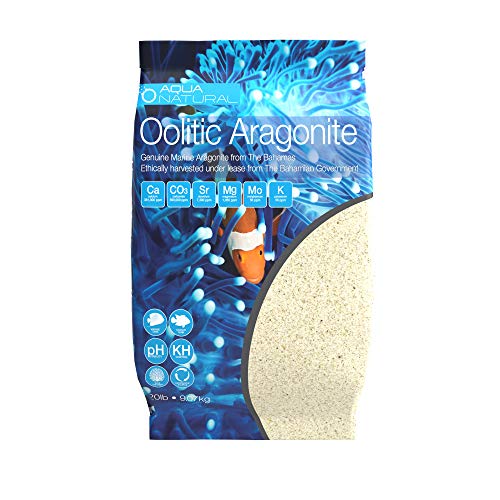
This 20-pound option mirrors the benefits of the 10-pound version with enhanced buffering capacity and nearly pure calcium carbonate content. It is well-suited for larger tanks or for creating a multi-layered substrate profile. The oolitic aragonite composition helps maintain stable pH while enabling efficient biofiltration and supporting coral health in reef tanks.
Buying Guide: Key Purchase Considerations
- Buffering and pH: Reef tanks rely on stable pH. Look for aragonite-based sands with high buffering capacity to minimize fluctuations that stress corals and beneficial bacteria.
- Purity and Impurities: Choose sands labeled as 98% or higher calcium carbonate to reduce dissolved impurities that can affect water chemistry or nutrient balance.
- Live vs. Pre-Established Biofilm: Live sand includes natural bacteria that jump-start biological filtration. If buying non-live sand, plan for established bacteria through cycling periods or inoculation.
- Grain Size and Detritus Control: Finer grains can compact and trap detritus; medium to coarse grains promote water flow and detritus reduction, aiding in cleaner substrates.
- Tank Size and Setup: Larger tanks typically benefit from bigger substrate bags (e.g., 20–40 lb) to establish a stable base, while small tanks can use 10 lb bags for a layered approach.
- Compatibility with Coral and Invertebrates: Many reef substrates are specifically designed to support coral attachment and natural reef chemistry; verify compatibility for your species.
- Maintenance Considerations: Some substrates reduce detritus buildup; others may require periodic stirring to prevent compaction. Plan a maintenance routine accordingly.
- Source Sustainability: Opt for sands sourced from sustainable deposits to minimize environmental impact and ensure long-term availability for reef systems.
These options offer a range of buffering strength, live bacteria presence, and substrate sizes to suit various reef tank configurations. When selecting, align the product’s chemistry with your tank’s calcium, alkalinity, and pH management goals to support a stable, biodiverse ecosystem.