Choose a low-growing ground cover that thrives in shade to transform bare spots into a lush, weed-resistant carpet. The products below are selected for shade tolerance, easy establishment, and long-lasting performance in American gardens. Each option offers different benefits—from nitrogen-fixing clover to decorative ground covers—that help suppress weeds, reduce maintenance, and improve soil health without requiring full sun.
| Product | Brand |
|---|---|
| Outsidepride Perennial White Dutch Clover Seed – 2 lbs | Outsidepride |
| Outsidepride Perennial White MiniClover Seed – 1 lb | Outsidepride |
| Outsidepride Perennial White MiniClover Seed – 1/4 lb | Outsidepride |
| Outsidepride Crimson Clover Seeds – 2 lbs | Outsidepride |
| 15000+ Mix Magic Perennial Creeping Thyme Seeds | Generic |
Note: These options cover a range of shade tolerance, maintenance needs, and soil improvements. When selecting, consider your site conditions (light, soil type, moisture), long-term goals (soil health, wildlife value, aesthetic), and whether you want an evergreen-like green carpet or seasonal flowering interest. The following sections dive into each product’s fit for shade, establishment, and garden role.
Outsidepride Perennial White Dutch Clover Seed

Overview: This white Dutch clover seed is marketed for erosion control, lawn alternatives, ground cover, and pasture mixtures, with broad USDA zone adaptability (3-10). It’s ideal for larger areas where a resilient, nitrogen-fixing ground cover is desired. The germination is supported by Nitrocoating and inoculation to enhance soil health and plant vigor. Shade tolerance is mentioned as part of its adaptable range, making it a viable option for parts of a yard that receive partial shade.
Shade and Establishment: Dutch clover can tolerate partial shade, though vigorous growth is often achieved with some sun. The seed’s nitro-coated and inoculated treatment supports quicker establishment and soil enrichment, potentially improving turf-like outcomes in light-dedicated shade areas. Once established, it forms a low, dense mat that helps suppress weeds and reduces soil erosion, particularly on slopes or poor soils where shade reduces growth vigor for other ground covers.
Practical Considerations: It’s a climate-flexible option across zones 3-10, which is helpful for regions with variable shade patterns. It also doubles as forage or a cover crop in mixed-species plantings. Expect longer establishment times in deeper shade, and plan for ongoing maintenance to ensure steady coverage in darker spots.
KVITER 1,000 Purple Rock Cress Seeds Perennial

Overview: Aubrieta deltoidea, commonly called purple rock cress, is a compact, low-growing ground cover that forms a dense mat with a cascading habit. It tolerates full sun to partial shade and is well-suited for rock gardens, beds, and between stones where a durable, drought-tolerant mat is desired. It’s non-GMO and often used as a decorative, long-lasting addition to shade-tinged borders where some sun still reaches the bed.
Shade and Establishment: While rock cress prefers sun, partial shade areas can support healthy growth with appropriate moisture. It’s a strong contender for shaded sections adjacent to wall or fence lines that still receive a few hours of light. Once established, it creates a 6-inch-tall mat with trailing edges, making it effective for softening hardscape edges in mixed shade conditions. For strictly deep shade, other options may perform more consistently.
Practical Considerations: It’s compact and space-efficient, ideal for rock gardens and container-edge plantings. The plant’s low-maintenance nature and cascading habit make it a reliable ornamental option that also contributes to ground cover coverage in lighter-shaded zones.
20000pcs Creeping Thyme Seeds

Overview: Creeping thyme is a perennial ground cover valued for fragrance, drought tolerance, and the ability to fill between pavers or rock garden spaces. It’s a versatile option for low-growing coverage, with a spread that forms a dense mat and small, attractive purple flowers in season. It’s typically best in sun to light shade, with performance declining in deep shade zones.
Shade Considerations: In truly shaded areas, creeping thyme may establish more slowly and may not reach full vigor. If shade is a significant factor, pair creeping thyme with a clover or moss-like ground cover that tolerates shade more readily. However, in mixed shade or dappled light gardens, creeping thyme can provide a fragrant, long-lasting carpet that also helps suppress weeds and reduces soil erosion on slopes or pathways.
Practical Considerations: This option is well-suited for pathways, borders, and rock gardens where you want a low-maintenance, evergreen-like appearance with seasonal blooms. Its drought tolerance makes it a strong choice for water-conscious shade landscapes that still require color and texture.
20000pcs Purple Creeping Thyme Seed
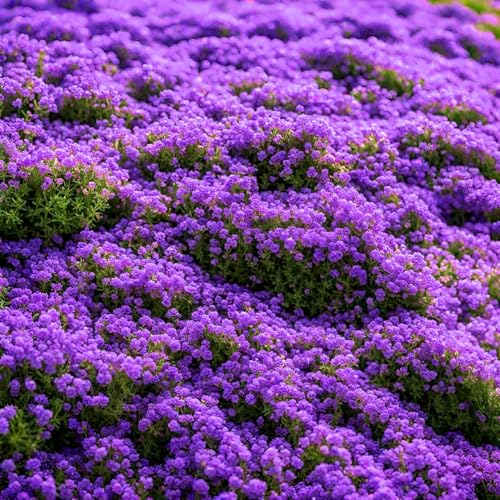
Overview: Another creeping thyme option, this batch focuses on purple blooms and a vibrant perennial ground cover that grows into a low-growing mat. It’s advertised for lawn alternatives, along with drought tolerance and fragrance—features that appeal to shade gardens needing perennial coverage with sensory appeal.
Shade and Establishment: Similar to the other creeping thyme listing, shade tolerance is moderate. In heavily shaded zones, germination and establishment may require more time and moisture management. It’s best paired with other shade-tolerant ground covers to ensure consistent coverage throughout the season.
Outsidepride Crimson Clover Seeds

Overview: Crimson clover seeds deliver a high-protein forage crop alongside rapid establishment and soil-improving benefits. While primarily used for cover crops and wildlife forage, crimson clover can function as a ground cover in some shaded to partially shaded garden zones, particularly when integrated with grasses or other ground covers.
Shade and Establishment: Crimson clover thrives in a variety of soils and light conditions, with better growth in sunnier spots. In shaded sections, expect slower growth but still potential for a favorable ground cover layer. The nitrogen-rich nature supports soil health, which can benefit adjacent shade-tolerant perennials.
Practical Considerations: It’s versatile across hay production, soil improvement, and winter grazing. In shade-focused beds, this option shines when used as part of a diverse planting strategy that includes non-clover ground covers to ensure consistent coverage year-round.
Buying Guide: Key Considerations For Shade-Friendly Ground Covers
- Light levels: Map your site’s shade pattern. For dense shade, prioritize clover or moss-like ground covers that tolerate low light. For partial shade, options like Dutch clover and creeping thyme can work well.
- Soil health: Look for seeds with soil-enriching features (nitro-coated, inoculated) if your goal is to improve soil with nitrogen fixation.
- Establishment time: Some seeds germinate quickly, while others take longer in shade. Plan for an initial maintenance window to ensure good germination and establishment.
- Maintenance needs: Drought tolerance, mowing frequency, and wear resistance affect long-term performance in shaded zones near walkways or lawns.
- Appearance: Decide whether you want evergreen-like green coverage, seasonal flowers, or a fragrance element. Mixed plantings can offer the best year-round interest in shade.
- Wildlife and soil benefits: Ground covers like clover can attract pollinators and improve soil nitrogen, supporting a healthier garden ecosystem in shade.
- Combination planting: For shade, consider layering a primary low-growing cover with secondary plants that tolerate light filtering, creating a resilient, multi-season ground layer.
In summary, selecting a shade-friendly ground cover requires balancing light availability, soil health goals, and maintenance preferences. The clover options provide robust soil enrichment and weed suppression while tolerating partial shade, whereas creeping thyme adds fragrance and drought resilience for sun-dilled edges that still receive some shade. A mixed planting approach often yields the most reliable, year-round coverage in shade-prone gardens.