Blue bee balm, or blue monarda, is a nectar-rich perennial that draws bees, butterflies, and hummingbirds. This guide features five reliable options, from live perennials to seed varieties, all suited for American gardens. Each entry highlights growth habits, sun needs, and pollinator appeal to help you choose the best fit for your landscape.
Summary of chosen products
| Product | Type | Sun/Water Needs | Pollinator Value | Notes |
|---|---|---|---|---|
| Perennial Farm Marketplace Monarda x ‘Blue Moon’ (Sugar Buzz® Bee Balm) | Perennial | Full sun; well-drained soil | High; lavender-blue blooms | Compact, mildew resistant, 20″ tall |
| KVITER 2,000 Wild Bergamot Seeds | Seeds | Full sun; drought-tolerant once established | Very high; attracts pollinators | Grows 2-4 ft; deer and mildew resistant |
| Seed Needs Panorama Mixed Bee Balm Seeds | Seeds | Full sun to part shade | High; multiple colors | 2-30 inches tall; mildew resistant |
| Seed Needs Bee Balm Seeds (Wild Bergamot) | Seeds | Full sun to part shade | High; attracts bees & butterflies | 2-4 ft; fragrant foliage |
| Live Flowering Bee Balm (Assorted Colors) | Live Plants | Full sun; moist, well-drained soil | High; pink/purple tones | 10″ tall; 4″ spread; decorative foliage |
Blue Moon Bee Balm, Sugar Buzz Perennial

Perennial Farm Marketplace offers a compact Monarda x ‘Blue Moon’ that produces lavender-blue blooms atop well-branched, fragrance-filled foliage. This variety tolerates powdery mildew better than some classic bee balms and is noted for sturdy stems and tidy growth. Plant 18 inches apart in full sun for best display and pollinator traffic. It grows to about 20 inches tall and is suited for garden beds, borders, and butterfly-friendly landscapes. The plant is native to North America and valued for fragrant foliage and extended flowering into mid-summer.
KVITER Wild Bergamot Bee Balm Seeds
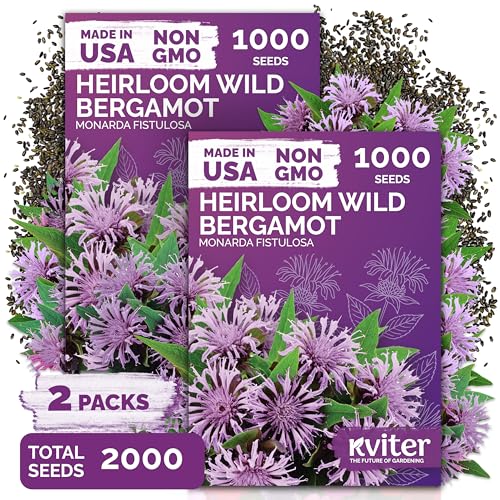
KVITER provides 2,000 seeds of wild bergamot (Monarda fistulosa), a native bee balm that adapts to USDA zones 2–9. Germination occurs in 10–20 days at 60–70°F with surface sowing and moisture. The plants reach 2–4 feet tall and are drought-tolerant with strong, aromatic foliage. They attract a broad spectrum of pollinators, including bees, butterflies, and hummingbirds, and emit a citrusy scent when leaves are brushed. This seed lot is ideal for wildflower borders, large sunny patches, and naturalized areas that benefit from pollinator habitats.
Seed Needs Panorama Mixed Bee Balm Seeds

The Panorama mix from Seed Needs offers a vibrant array of bee balm colors—pink, white, and scarlet—with a distinctive minty fragrance. Suitable for USDA zones 3 through 9, this perennial blend thrives in full sun to part shade and well-drained, moist soil. It grows up to about 30 inches tall and shows mildew resistance, making it a versatile option for borders, pollinator borders, and butterfly gardens. Beyond ornamentality, leaves and flowers are edible and historically used in teas and culinary infusions.
Seed Needs Bee Balm Seeds, Wild Bergamot

This Seed Needs lot focuses on wild bergamot with a mix of pink-lavender blooms and sturdy growth. The seeds are suited for naturalized meadows, borders, and pollinator-friendly patches. Plants typically reach 2–4 feet, with aromatic leaves and blooms that support a wide range of pollinators, including bees and butterflies. The seeds are convenient for gardeners aiming to establish extended drifts of color across sunny garden sections, often used in cottage-style or native plantings.
Live Bee Balm Assorted Colors

The Three Company offers a live flowering bee balm set in assorted colors, adding visual interest to the garden throughout the season. These 10-inch tall plants are well-suited for container plantings, front borders, and pollinator margins. They perform best in full sun with consistently moist, well-draining soil and benefit from organic matter or mulch. The variety’s colors range from pink to purple, contributing both fragrance and nectar to attract bees, butterflies, and hummingbirds to your landscape.
Buying Guide
Key considerations when selecting blue bee balm for your garden include climate suitability, mature size, and ongoing maintenance needs. For new gardeners, starting with seeds offers low cost and long-term rewards, but live plants provide immediate color. If you prefer compact, mildew-resistant varieties for small spaces, perennials like Blue Moon are ideal. For naturalized beds, wild bergamot seeds from KVITER or Seed Needs Panorama Mix offer texture and seasonal color across borders. Consider pollinator goals, water availability, and soil drainage to ensure robust growth and continuous bloom through summer.
- Hardiness and climate: Choose varieties suited to USDA zones your garden falls within; bee balm generally performs well in zones 4–9, but checks on seed descriptions help ensure success in harsher winters.
- Sun exposure: Most bee balms prefer full sun to maximize flowering; partial shade can still produce blooms but may reduce vigor and fragrance.
- Soil and water: Well-drained soil with moderate moisture supports healthy growth; avoid waterlogged conditions which can promote root diseases.
- Pollinator value: All listed options offer nectar attractants; the deeper the bloom, the more specialized pollinators may benefit.
- Maintenance: Mildew resistance is a plus in humid regions; pruning after peak bloom can encourage a second flush of flowers and maintain plant health.
Multiple perspectives emphasize either rapid color display from established plants or long-term coverage through seed planting. For urban gardens, compact perennials like Blue Moon provide reliable structure, while seed options allow broader garden-scale planting and more natural-looking drifts. Gardeners should balance upfront costs, maintenance needs, and desired bloom timing when selecting bee balm varieties for a pollinator-friendly landscape.