Growing authentic Japanese green tea at home starts with selecting the right tea plant seeds and providing the proper growing conditions. This guide highlights five reliable options that cater to kitchen gardens, windowsills, and outdoor beds. Each entry focuses on Camellia sinensis varieties commonly used for green tea, along with growing notes and what to expect from each seed set. Whether you’re a seasoned gardener or a curious beginner, these seeds offer a practical path to fresh, aromatic tea leaves.
| Product | Brand | Key Point |
|---|---|---|
| 25 Camellia Seeds Camellia sinensis Chinese Green Tea Seeds Tea Plant Edible Flower | PeavyTailor | Multi-seed pack; germination hints included |
| Green Tea Plant Seeds – Camellia sinensis (10 Seeds) | camellia sinensis | Compact, traditional tea plant seeds |
| 15 Tea Plant Seeds (Camellia Sinensis) – Tea Tree Seeds | Loseedsoo | Small pack; suitable for containers |
| Sow Right Seeds – Large Herbal Tea Garden Seed Collection | Sow Right Seeds | Herbal tea seeds collection; diverse flavors |
| 2026 EarlyBird-200 Perilla/Shiso Seed | HipGirl | Shiso herb; not Camellia sinensis but used in teas |
The table above summarizes five options with a focus on tea-related herbs and Camellia sinensis varieties. Each product offers different growing contexts—from indoor microgreen-friendly seeds to outdoor garden cultivars—allowing you to tailor planting to your climate, space, and tea-making ambitions. Read on for practical buying considerations, plus detailed notes on each seed set’s features and cultivation tips.
25 Camellia Seeds Camellia Sinensis Chinese Green Tea Seeds
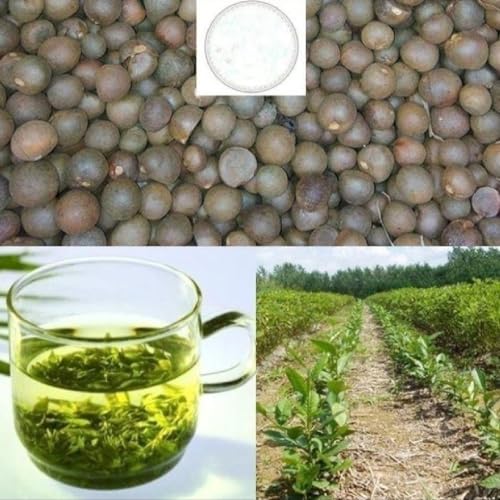
Camellia sinensis is the bushy evergreen that yields green tea leaves. This pack includes 25 seeds and notes about seasonal blossoms, which can be white or red, while the leaves themselves can be dried for tea. Germination guidance emphasizes soaking seeds for 24 hours, removing hulls as they crack, and sowing promptly. Keep the soil evenly moist and maintain temperatures around 70-75 F, ideally under a germination mat. A plastic wrap cover helps retain moisture and warmth during early stages. This option is ideal for gardeners seeking a robust starting set for a dedicated tea plant bed or large containers.
The seeds are best suited to warm climates or controlled indoor environments. After germination, treatments like gentle pruning and gradual acclimation to outdoor light help prevent shock. With patience, Camellia sinensis can become a reliable source of fresh tea leaves, particularly for green tea production when harvested young and tender.
Green Tea Plant Seeds – Camellia Sinensis (10 Seeds)
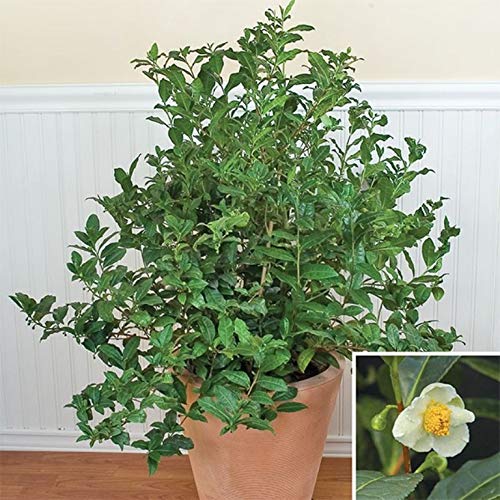
This product centers on the classic Camellia sinensis seed set, marketed under the camellia sinensis brand. It’s described as a China-origin option with ten seeds, designed for gardeners seeking a straightforward entry into tea plant cultivation. The listing emphasizes the plant’s role as the source of green tea leaves, with the expectation that gardeners can coax fresh growth for future harvests. While specific growing instructions aren’t detailed in the features, collectors can rely on standard Camellia sinensis care—well-drained soil, ample sun, and consistent moisture.
Growers may experiment with potting setups, since Camellia sinensis appreciates space for root development. As with all tea plants, a gentle, consistent harvest regime yields the highest quality leaves for traditional green tea production in home kitchens or tea rooms.
15 Tea Plant Seeds (Camellia Sinensis) – Tea Tree Seeds

This listing offers a 15-seed pack of Camellia sinensis for home gardeners pursuing green, black, or oolong tea through a single plant. The description frames the seeds as suitable for garden beds or containers with a primary aim of growing a “tea plant” for personal harvests. The seeds are marketed to hobbyists who want a compact, manageable batch—suitable for small spaces or balcony gardens. Gardeners should anticipate traditional Camellia sinensis care: well-drained soil, sun exposure, and steady moisture to promote healthy leaf growth.
As leaves mature, consistent pruning and careful harvest timing influence leaf quality. For best results, keep the plant in a consistent climate and protect it from extreme temperatures. This option is convenient for those who want a dedicated tea plant without investing in larger garden setups.
Sow Right Seeds Large Herbal Tea Garden Collection

This product offers a curated collection of ten large seed packets focused on herbs commonly used in teas. The lineup includes varieties such as lavender, lemon balm, chamomile, mint, and more. Although not exclusively Camellia sinensis, this assortment supports diverse tea making, flavor profiles, and aromatic infusions. It’s particularly suited for gardeners who want to craft a broad tea garden with both perennial and annual options. The kit makes a thoughtful gift for herb enthusiasts and tea lovers, enabling a broad harvest of leaves and blossoms for infusions year-round.
Growing considerations center on sun exposure, soil drainage, and moisture management. Many of these herbs thrive in containers or raised beds, offering flexibility for urban gardeners. For tea-making, harvest leaves at peak aroma, then dry or preserve as desired. This option complements Camellia sinensis seed sets by enabling a full-spectrum tea garden in a single package.
2026 EarlyBird-200 Perilla/Shiso Seed

Shiso, or Perilla, is a Japanese herb with aromatic leaves used in sushi, salads, and teas. While not Camellia sinensis, it is a traditional ingredient in Japanese cuisine and can contribute to tea blends, especially when combined with green tea for unique flavors. This seed pack is advertised as Non-GMO and suitable for indoor herb gardens, hydroponics, and outdoor beds. The flavor profile is citrusy and savory, making it a versatile addition to culinary and beverage experiments. Shiso can be grown year-round in the right conditions, including controlled indoor environments where light and humidity are managed.
Shiso seeds are a practical complement to green tea cultivation. They broaden the range of herbal infusions you can craft, and their vibrant leaves add color to fresh tea blends. For tea enthusiasts seeking diverse garden produce, this option expands the horizon beyond traditional Camellia sinensis leaves, enabling mixed-tea experiences that pair well with green tea foundations.
Buying Guide: Tea Plant Seeds And Related Herbs
- Climate compatibility: Camellia sinensis thrives in warm, frost-free areas or indoors with consistent warmth. If you live in cooler regions, plan to grow tea plants in containers that can be moved indoors during cold weather or use a climate-controlled space.
- Light and soil: Tea plants prefer full sun to partial shade with well-drained, acidic soil. A slightly acidic pH (around 5.5 to 6.5) helps leaf flavor and plant vigor. Avoid waterlogged soils, which can lead to root rot.
- Germination and care: Seed germination can vary; soaking seeds before sowing and maintaining consistent moisture aids success. Germination mats help maintain warmth, while plastic wrap can keep humidity elevated during early stages. After germination, gradual acclimation to outdoor light is important.
- Harvest and processing: For green tea, harvest young leaves and tips, then process promptly to preserve freshness. Dried leaves store best in airtight containers away from direct light. Pruning encourages new growth and can influence flavor over time.
- Space considerations: Containers allow flexible placement on patios, balconies, or indoors. If space allows, consider a dedicated tea plant bed or trellised trellis to manage tall growth and grafting opportunities.
- Herbal companions: Including complementary herbs like lavender, lemon balm, and mint adds diversity to home tea blends. Shiso can broaden culinary and beverage uses, especially in Japanese-inspired drinks and dishes.
- Non-GMO and seed quality: Check seed labels for Non-GMO claims and origin, especially if you’re aiming for consistent germination and plant vigor. High-quality seeds improve long-term yields and leaf quality.
- Harvest schedule: Expect multiple harvests per year in favorable climates. In temperate regions, plan for a shorter growing season, and consider indoor cultivation to extend leaf production.
Overall, a mixed approach—starting with one or two Camellia sinensis seed packs and supplementing with herbal tea garden seeds—offers a balanced path to a productive home tea garden. By combining careful seed selection with proper care, gardeners can cultivate fresh leaves for green tea while exploring related herbs that enrich flavors and techniques in tea blending.