For gardeners who crave bold color and unforgettable fragrance, red roses that carry a strong scent can transform any outdoor space. This guide highlights five highly relevant options from trusted growers, featuring own-root, hardy varieties and a striking fragrance profile. Whether you’re cultivating a climbing wall, a classic shrub border, or a decorative indoor display, these selections offer proven bloom and scent performance. The table below summarizes core details to help you compare at a glance.
| Product | Brand | Hardiness | Type | Notes |
|---|---|---|---|---|
| Mister Lincoln Red Rose Bush | Heirloom Roses | 5-10 | Own Root Rose Plant | Classic hybrid tea with strong fragrance. |
| Velvet Fragrance Red Rose | Heirloom Roses | 5-10 | Own Root Rose Plant | Bold red blooms, richly scented. |
| Red Eden Rose Plant | Heirloom Roses | 6-10 | Climbing Rose | Vibrant climber for walls and trellises. |
| Tess of The d’Urbervilles Rose | Heirloom Roses | 5-10 | Own Root Rose Plant | English-style red bloom with classic fragrance. |
| Red Climbing Rose Seeds | BULBORIUM | 4-10 (seed) | Seeds | Fragrant blooms, grows with care from seed. |
Below you’ll find in-depth product sections, each highlighting key features and how they fit into a fragrance-forward rose garden.
Mister Lincoln Red Rose Bush

The Mister Lincoln rose is a classic hybrid tea variety known for deep red blossoms and a strong, sweet fragrance that entices visitors and pollinators alike. This plant is sold as an own-root rose, which generally offers higher bloom production, better hardiness, and steady true-to-variety growth over time. It arrives in a one-gallon container with rich soil, and is suitable for hardiness zones 5 through 10. As an outdoor planting option, the Mister Lincoln works well in borders or as a focal point in a sunny bed, delivering reliable fragrance and dramatic color year after year.
Velvet Fragrance Red Rose Bush
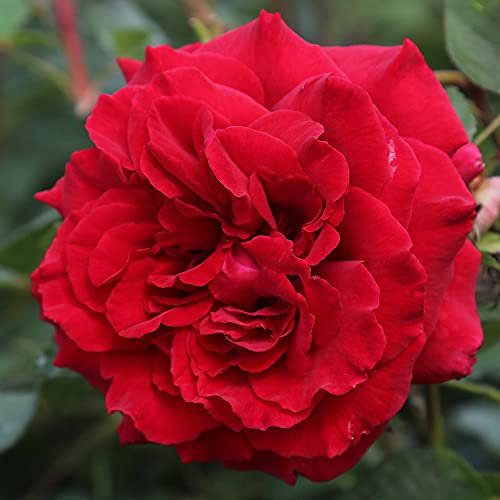
Velvet Fragrance is highlighted for its rich, velvety red blooms and notable fragrance. This own-root rose plant is also offered in a one-gallon container, typically shipped with enriched soil to help establish strong root systems. Zones 5-10 cover a wide range of American gardens, from the Northeast to the Southeast. The Velvet Fragrance rose makes an excellent cut flower and a scent-forward addition to a rose border, herb garden edge, or entryway planters, where its aroma can be appreciated up close.
Red Eden Rose Plant

Red Eden is a climbing rose that brings vertical interest to gardens while delivering a strong red color and an appealing fragrance. Sold by Heirloom Roses as an own-root plant in a one-gallon container, it is suitable for zones 6-10. Its climber form makes it ideal for trellises, fences, and arbors, enabling a fragrant statement along outdoor structures or privacy screens. If you want a rose that pairs fragrance with architectural growth, Red Eden offers both.
Tess of The d’Urbervilles Rose

The Tess of The d’Urbervilles rose is part of the David Austin English Rose range, offered as an own-root plant in a one-gallon container. It spans hardiness zones 5-10 and emphasizes classic English rose traits—romantic petals and a refined fragrance that complements traditional cottage-garden aesthetics. As a shrub rose with a robust scent, Tess can anchor a mixed border or serve as a late-season bloom anchor when paired with complementary perennials and climbers.
Red Climbing Rose Seeds

For gardeners who prefer starting from seed, Red Climbing Rose Seeds offer the opportunity to cultivate fragrant, climbing red roses from scratch. The BULBORIUM seeds are designed to attract bees, butterflies, and other pollinators, enriching the garden ecosystem. Germination typically occurs within 4 to 10 weeks under suitable conditions, but outcomes vary with soil temperature and care. This option provides a longer lead time to bloom and is best suited for patient gardeners who enjoy a multi-season project.
Buying Guide: Key Purchase Considerations
- fragrance intensity and balance: Real rose fragrances vary by variety; expect differences in sweetness, spice, and floral notes. If fragrance is a primary criterion, prioritize varieties marketed with strong scent profiles (such as classic English and hybrid tea types).
- plant type and space: Choose between own-root bushes, climbers, and seed-grown options based on your space. Climbing roses require sturdy supports and more vertical planning; shrub and hybrid tea roses fit borders and containers well.
- hardiness and climate: Check zone recommendations to ensure your chosen rose tolerates winter lows and summer heat. The listed zones cover a broad range, but microclimates can affect performance.
- rooting method and longevity: Own-root roses often offer more blooms and hardiness than grafted varieties and can stay true to variety over time. Consider whether you want a cutting-edge cultivar or a classic heritage style.
- soil, sun, and watering: Most red roses thrive in full sun (at least 6 hours daily) with well-draining soil. Regular feeding and consistent moisture help maximize fragrance and bloom quality, especially during peak growing seasons.
- maintenance needs: Pruning, deadheading, and disease management influence fragrance retention and overall health. Plan for a routine maintenance schedule to keep blooms vigorous and scented.
- aesthetic goals: Climbing roses create vertical focal points, while shrub and hybrid teas offer traditional color blocks in borders. Consider pairing fragrant reds with complementary greens and neutrals to highlight scent and color.
When assembling a fragrant red rose garden, balance beauty, scent, and growth habits. The selections above provide a mix of climbing and non-climbing forms, with strong fragrance cues and reliable hardiness. For a dense fragrance experience, plant design should emphasize bloom succession and accessibility for scent at garden paths, patios, and entryways.