When a 300-gallon galvanized tank isn’t feasible, dependable water storage options from reputable brands can meet large capacity needs. This guide reviews five high-capacity tanks and containers suited for livestock, agriculture, emergency preparedness, or off-grid living. Each option highlights durability, material safety, and ease of use to help you compare without prices getting in the way.
| Product | Capacity | Material | Key Benefit |
|---|---|---|---|
| Rubbermaid Commercial 300-Gallon Stock Tank | 300 gallons | RigidCell polyethylene | Durable, USA-made stock tank with a long warranty |
| RomoTech 550 Gallon Storage Tank | 550 gallons | UV-stabilized polyethylene | Large capacity, rustproof, BPA-free |
| RomoTech 125 Gallon Storage Tank | 125 gallons | UV-stabilized polyethylene | Versatile for farms or industrial use |
| Outvita 200 Gallon Collapsible Rain Barrel | 200 gallons | PVC mesh fabric with frame | Space-saving, portable, collapsible |
| Emergency Water Tanks 55 Gallon | 55 gallons | Rotationally molded polyethylene | Stackable, safe for long-term potable storage |
Note: All products discussed here address large-volume water storage needs and offer various advantages over traditional galvanized tanks, including corrosion resistance, portability, and flexibility for different environments. Always verify compatibility with your intended water source and local regulations.
Rubbermaid 300-Gallon Stock Tank
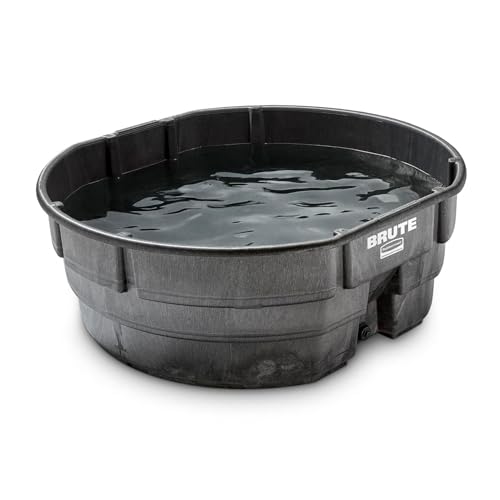
The Rubbermaid Commercial Products 300-Gallon Stock Tank offers durable rigid-cell construction designed to withstand various weather conditions. It is a heavy-duty, large-capacity container that can serve as a livestock water trough, outdoor pool alternative, or a general purpose water container for cleaning and wash-down tasks. This tank is backed by a category-leading 10-year limited warranty and is proudly manufactured in the USA, reflecting a strong reliability standard for commercial and industrial settings. The combination of toughness and a straightforward design makes it a practical choice for large-volume outdoor water storage.
Key features include durable construction built to resist weather-related stress, a long warranty, and domestic manufacturing that supports U.S. supply chains. The tank’s utility is maximized when paired with simple dispensing or refilling setups, especially in farm or large-property environments where frequent access to substantial water reserves is required.
RomoTech 550 Gallon Storage Tank

The RomoTech 550 Gallon Storage Tank is a heavy-duty horizontal tank designed for farms, industrial, or chemical storage needs. Crafted from UV-stabilized, roto-molded polyethylene, this tank is built to resist cracking, warping, and outdoor degradation. It’s BPA-free and rustproof, ensuring potable-water compatibility for extended use in challenging environments. The dome-top design helps with lid access and venting while maintaining a low-profile footprint that can fit into various storage areas, barns, or utility rooms.
Considerations for this option include its high capacity and durable construction, which make it suitable for long-term storage in off-grid or remote locations. The tank’s materials are chosen to minimize contaminant exposure, supporting safe water storage and reducing maintenance in agricultural or industrial workflows. It’s a versatile choice for users who need a large, reliable water reservoir without metal corrosion concerns.
RomoTech 125 Gallon Storage Tank

The RomoTech 125 Gallon Storage Tank provides a mid-range option for large-volume storage on farms, industrial sites, or water-resupply operations. It’s built with UV-stabilized polyethylene to resist outdoor cracking and degradation, and it’s BPA-free, helping ensure safe water storage over time. The tank’s compact footprint relative to its capacity makes it easier to position in workshop areas, barns, or storage yards where space is at a premium, while still offering substantial storage for irrigation or potable water use.
Users should weigh the benefits of a mid-sized unit against the demand for daily access or frequent refills. The 125-gallon capacity is well-suited for mixed-use scenarios, such as combining water storage with rainwater catchment systems or as a supplementary reservoir in livestock operations. The material choice supports long-term reliability in outdoor environments, reducing the risk of metal-related corrosion or leaks.
Outvita 200 Gallon Collapsible Rain Barrel

The Outvita 200 Gallon Collapsible Rain Barrel is designed for flexible water collection and storage without taking up permanent space. It uses a high-quality PVC mesh frame and a collapsible design that makes it easy to transport and deploy where a fixed tank is impractical. The included mesh filter helps keep debris out of stored water, and the spigot system allows controlled distribution for garden irrigation, livestock troughs, or emergency reserves. This option is ideal for users who want an easily stowable reservoir that can be expanded or relocated as needs change.
Material choice and construction focus on portability and ease of use. While not a rigid tank, its capacity supports short- to medium-term water storage for households, farms, or off-grid setups. Its collapsible nature is a clear advantage for those who must move or reconfigure storage space often, or who want a rainwater-centric approach to water usage.
Emergency Water Tanks 55 Gallon
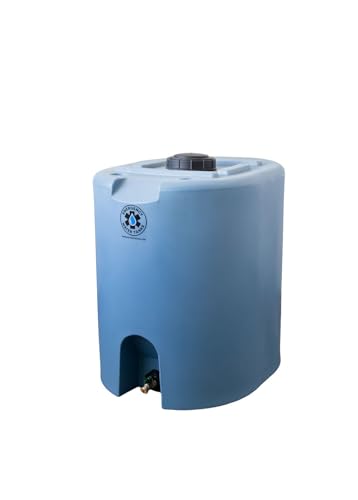
The 55-Gallon Emergency Water Storage Tank is designed for long-term potable-water storage with a robust rotationally molded polyethylene body. It supports preparedness and off-grid living by offering a secure reservoir that stacks for space efficiency. The tank is BPA-free and designed to withstand extended storage periods, making it a practical choice for families looking to stock emergency water while preserving taste and safety. The stackable design helps maximize storage in garages, sheds, or basements, especially when space is at a premium.
Prospective buyers should consider the trade-off between capacity and space. While the 55-gallon size is smaller than the other options, its stackable configuration and safe material choice make it a reliable, safe, and trans-portable solution for essential water needs during emergencies, camping, or travel-friendly setups. It pairs well with rainwater harvesting strategies or as a supplementary reservoir for household backup water.
Buying Guide: Key Purchase Considerations For Large-Volume Water Storage
Capacity needs vary by application. For livestock operations or off-grid living, prioritize tanks with large, stable bases, UV resistance, and durable materials that resist weathering. Consider thermal expansion and how temperature fluctuations may affect plastics and fittings.
Material safety is crucial. BPA-free, food-grade or potable-water-safe plastics minimize the risk of chemical leaching. UV stabilization helps protect against long-term sun exposure, prolonging tank life in outdoor environments. For rainwater use, ensure the design accommodates filtration, debris prevention, and secure drainage.
Durability and warranty offer peace of mind. A long warranty signals confidence in the product and helps cover potential defects. Domestic manufacturing can support supply-chain reliability and easier replacement parts. For large-capacity needs, a rigid tank generally resists punctures and deformities better than collapsible options, though collapsibles provide portability and space savings for temporary setups.
Space and installation considerations matter. Rigid tanks with a compact footprint or dome-top designs can fit into tight spaces or barns. Collapsible barrels excel where permanent installation is impractical or when storage space is at a premium. Consider where you’ll place the tank, how you’ll refill it, and whether you need stacked storage solutions for efficiency.
Maintenance and water quality are essential. For potable uses, select materials that do not degrade or leach contaminants. Incorporate filtration and sediment control, plus regular inspection for cracks or leaks. If you’re using tanks for agricultural or industrial liquids beyond water, verify compatibility with the specific chemical or solution to prevent material degradation.
Future-proofing your setup can be cost-effective. A scalable system—starting with a mid-range tank and expanding to a larger tank or additional containers—lets you grow storage capacity as needs change. Evaluate the possibility of pairing rainwater collection with additional storage to maximize resource efficiency over time.