Finding non-toxic sand for a sandbox is essential for safe, imaginative play. This guide highlights five top options that are easy to clean, low-dust, and suitable for indoor and outdoor use. Each product is described with key features to help parents compare safety, texture, and versatility.
| Product | Brand | Approx. Weight | Notes |
|---|---|---|---|
| U.S. Silica Large 50 Pound Play Sand | U.S. Silica | 50 lb | Non-toxic, finely washed, moldable texture |
| Palmetto Soft Play Sand | Play Sand | 50 lb | Low-dust, soft and safe for kids |
| Classic Sand and Play Sand | CLASSIC SAND & PLAY | 20 lb | Premium-grade, washed, non-toxic |
| Sandpiper Multiuse Play Sand | Sandpiper | 50 lb | Washed, low-dust, versatile for play areas |
| SandPiper Premium Natural White Sand | Sandpiper | 25 lb | Washed, safe for indoor/outdoor use |
Each option prioritizes safety, consistent texture, and ease of maintenance, making them well-suited for families seeking reliable sandbox sand that minimizes mess while maximizing creative play.
U.S. Silica Large 50 Pound Play Sand

This bulk sand from U.S. Silica is designed for safe, engaging sensory play. The product is non-toxic and free from harmful chemicals, making it suitable for children’s art projects, trays, and sandbox use. It is finely washed to remove impurities and has a white color that helps highlight imaginative sand constructions. The texture holds its shape well, supporting moldable play while remaining easy to clean up. A single 50-pound bag provides ample material for larger sandboxes or multi-child play areas.
Palmetto Soft Play Sand, Creme Colored

This soft, low-dust sand supports safe, long-lasting play experiences. It’s ideal for sandbox environments, sand tables, classrooms, and decorative uses around the home. The material is free from chunks, pebbles, and harsh additives, promoting a hassle-free cleanup and a secure play space. Beyond basic sandbox fun, the sand encourages repetitive actions like digging and pouring, which can help with hand-eye coordination and fine motor development in kids.
Classic Sand And Play Sand
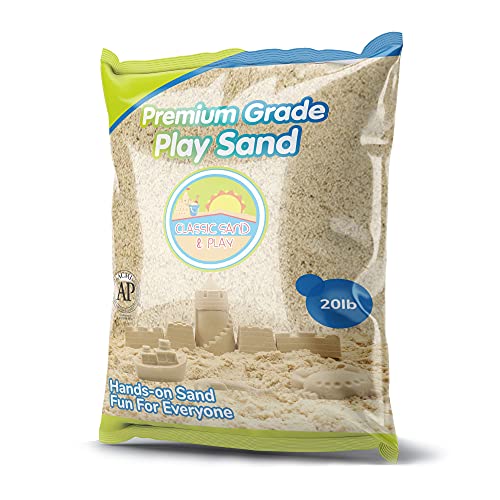
Premium-grade, washed and dried play sand designed for safe indoor and outdoor use. This sand is non-toxic and well-suited for early learning activities, sand trays, and imaginative play. The texture supports moldable sculpture and castle-building, while its clean profile reduces dust and debris during play. The product is adaptable for classroom and home settings, making it a versatile option for educators and parents alike.
Sandpiper Multiuse Play Sand
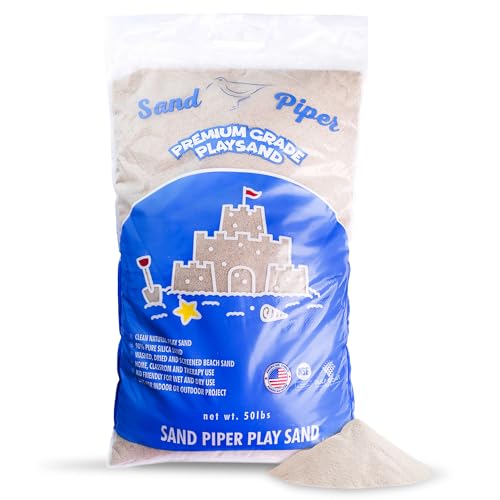
Washed, 99% silica play sand designed for sandbox and sand table use, with minimal dust for easy cleanup. The uniform grain size provides a smooth texture that is moldable for sandcastles and sculptures. Its versatility supports both classic sandbox play and sensory areas in classrooms or therapy settings, offering a reliable base for creative construction and pretend play.
SandPiper Premium Natural White Sand

Natural white sand that is washed and triple-screened to remove dust and impurities, ensuring a safe, clean play environment. The fine texture is ideal for miniature landscapes, sandbox play, and sensory activities, supporting delicate handling and precise molding. This option is well-suited for families and educational settings that require consistent, low-dust sand for frequent use.
Buying Guide: Key Purchase Considerations
When choosing non-toxic sandbox sand, consider texture, dust level, weight, and maintenance needs. The following perspectives help balance safety with play value:
- Safety and composition: Look for products explicitly marketed as non-toxic, free from harmful chemicals, and suitable for children’s play. Some sands are designed for sensory therapy or classroom use, which can indicate consistency in purity and cleanliness.
- Dust and cleanliness: Low-dust or washed sands reduce airborne particles and surface debris, important for homes with young children or allergies. Washed sands also tend to wash out of clothing and carpets more easily.
- Texture and moldability: A fine to medium grain texture is typically easiest for kids to sculpt castles and figures. Sands that hold shape while remaining soft to the touch offer a balance between structure and comfort during play.
- Weight and volume: For larger play areas, a 50-pound bag or multiple bags provide better cost efficiency and fewer refills. Consider storage space and how often you replace the sand.
- Versatility: Some sands are suitable for sandboxes, sensory tables, art projects, and classroom activities, making them a multipurpose option for families and educators.
- Cleaning and maintenance: Sands with a smoother texture reduce grain spread across floors and furniture. Consider whether you’ll use a sandbox lid or mat to minimize mess when not in use.
- Allergy considerations: Some sands are labeled as “low-dust” or “silica-free” where relevant. If a household has sensitivities, verify product details and safety data sheets when available.
Price, availability, and bag size will influence procurement decisions. For shared spaces like classrooms or daycare centers, selecting sands that meet safety certification and cleaning standards can simplify compliance and reduce ongoing maintenance.